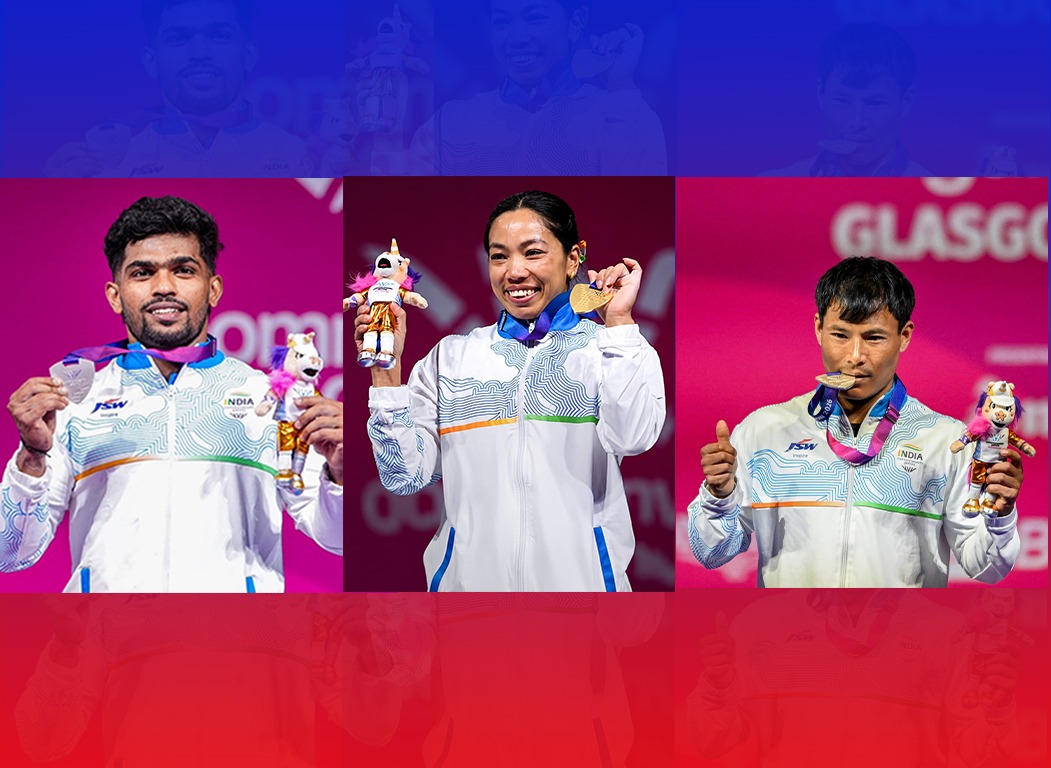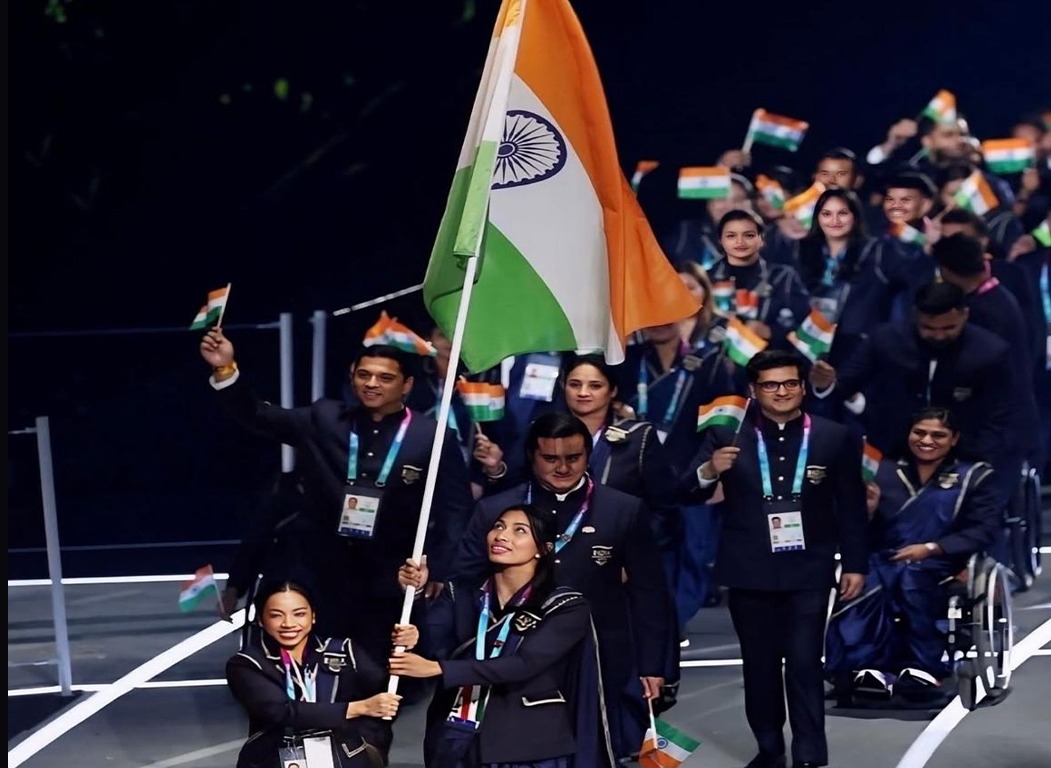
When Asmita Dey won the first ever gold for India in judo in her debut Commonwealth Games in 2026, her remarks served as an apt description for the contingent of Indian athletes too, “I knew that I’m a champion and I was sure that I was going to take a gold medal for my country.” The 2026 Glasgow Commonwealth Games concluded on 2 August 2026 with women athletes of India leading the country’s medal tally. Sakshi Chaudhary, Jaismine Lamboria, Priya Ghanghas, and Arundhati Choudhary led India to new heights in boxing with their golds, while Olympic medallist Mirabai Chanu won a gold in weightlifting. Athletes strived for excellence during the 11-day sporting event, ensuring exciting wins and several broken world records. Even as the 2026 games conclude, India gears up to host the Commonwealth Games in 2030 in Amdavad (Ahmedabad).
India at Glasgow
126 athletes – 78 men and 48 women – participated in the games as part of the Indian contingent, dominating many fields. India finished among the top five as the talented athletes pegged India’s position at the fourth, with 39 medals in total. Indian athletes bagged 13 golds, 17 silvers and 9 bronzes. Notably, 8 out of India’s 13 gold medals were won by the women athletes, making them inspiring figures for young athletes across the globe.
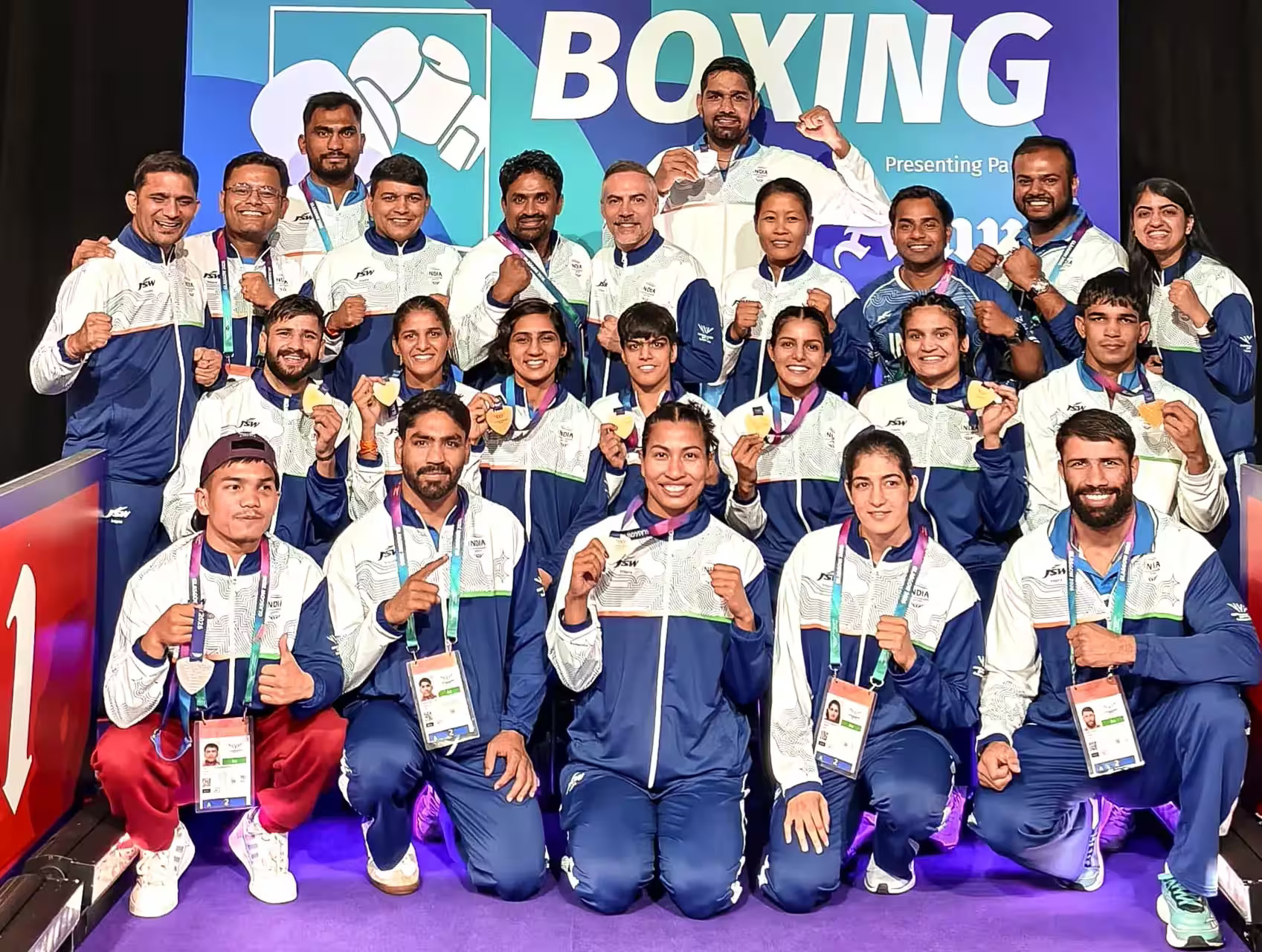
India broke the Commonwealth Games world record of the highest number of gold medals in boxing won by a nation, topping the scoreboards at 7. The women from India who dominated the several weight categories include Sakshi Chaudhary with a gold in 51 kg, Jaismine Lamboria with a gold 57kg, Priya Ghanghas with a gold in 60 kg, Arundhati Choudhary with a gold in 70 kg, and Lovlina Borgohain with a silver in 75 kg. Sachin Siwach and Ankush Panghal won golds in men’s 60 kg and 80 kg categories respectively.
Asmita Dey brought India its first-ever gold medal in judo at the Commonwealth Games, winning against Canada’s Heidi Quach in the women’s 48 kg category. The second gold in judo was brought home by Harsh Singh in men’s 60 kg category. Another gold for the country was won by the accomplished athlete Mirabai Chanu in the 48 kg women’s weightlifting. Rishikanta Singh Chanambam brought India the first silver of this edition of the games, besides setting a new Commonwealth Games record in weightlifting with a lift of 121 kg, finishing with a total lift of 264 kg.
Para athletes of India won several accolades. Sharmila Dhankar won a gold in women’s shot put F57, while Soman Rana won another in men’s shot put F57. Dilip Gavit won a gold in men’s 100m T47. The athletes redefined the limits of sport with their excellent performances.
In total, 39 talented athletes represented the Indian sporting abilities at the global stage. Congratulating the Indian contingent, Indian Prime Minister Shri Narendra Modi commended the athletes, “Throughout the Games, our talented athletes have displayed exceptional skill, determination and dedication. Their hardwork will keep inspiring our youngsters.”
The Games
The 2026 Commonwealth Games were remarkable on many counts. The three organisations that conducted the global event – Glasgow 2026 Limited, Commonwealth Sport and Commonwealth Games Scotland – aimed for sustainability and a restricted footprint, setting a global standard. The games brought together athletes from 74 countries and held the largest integrated para-sports event in Commonwealth Games’ history. Para-powerlifting, para-swimming, para-cycling track, para-bowls, para-athletics and wheelchair basketball were among those sporting disciplines. Netball, judo, boxing and artistic gymnastics were also held. The games were truly a celebration of human spirit united through sport, with inspiring stories from athletes across the board.
Many names and endeavours were added to the games’ history. Australia, England, Canada, India and Scotland emerged as the top five countries respectively, with the Aussies bagging a total of 171 medals. Rwanda won its first Commonwealth medal, and Dominica its first gold. With 21 medals won, South African swimmer Chad le Clos added his name in global sporting history by becoming the most decorated athlete of the Commonwealth Games. Nigeria’s Folashade Oluwafemiayo and Rita Ferdinard broke world records in powerlifting, as did Goodness Nwachukwu in Women’s F42 Discus. Scottish athlete Melanie Woods was awarded the David Dixon Award for her conduct, performance and team contribution, thus being named the outstanding athlete of Glasgow 2026.
The 2026 edition was uniquely Glaswegian from the very beginning, with the unicorn Finnie as the official mascot, and TARDIS from Doctor Who taking the audience on a cruise through Scotland at the opening ceremony. The iconic music venue, SWG3, hosted lively celebrations for the duration of the games, featuring recognized and emerging artists from Scotland. Around 6,30,000 fans attended the several live events in person.
The closing ceremony was a celebratory party at The Hydro, the tail-end of which was a fusion of Scottish and Indian music as the baton was passed to the latter for the 2030 Commonwealth Games. The ceremony included performances by prominent Scottish and Indian musicians, ending with ceilidh, the traditional Gaelic social gathering. The handover ceremony blended rhythms of sitars and bagpipes, and featured a special production of the Indian national song “Vande Mataram”, thus commemorating the 150th anniversary of the song. Singers Shankar Mahadevan and Bhoomi Trivedi, along with sitar virtuoso Rishab Rikhiram Sharma, were the icons from India at the performances.
After the brilliant performances of the Indian athletes, the fans look forward to what the country has in store next as it prepares to host the Centenary Commonwealth Games in 2030 in the city of Amdavad, Gujarat.