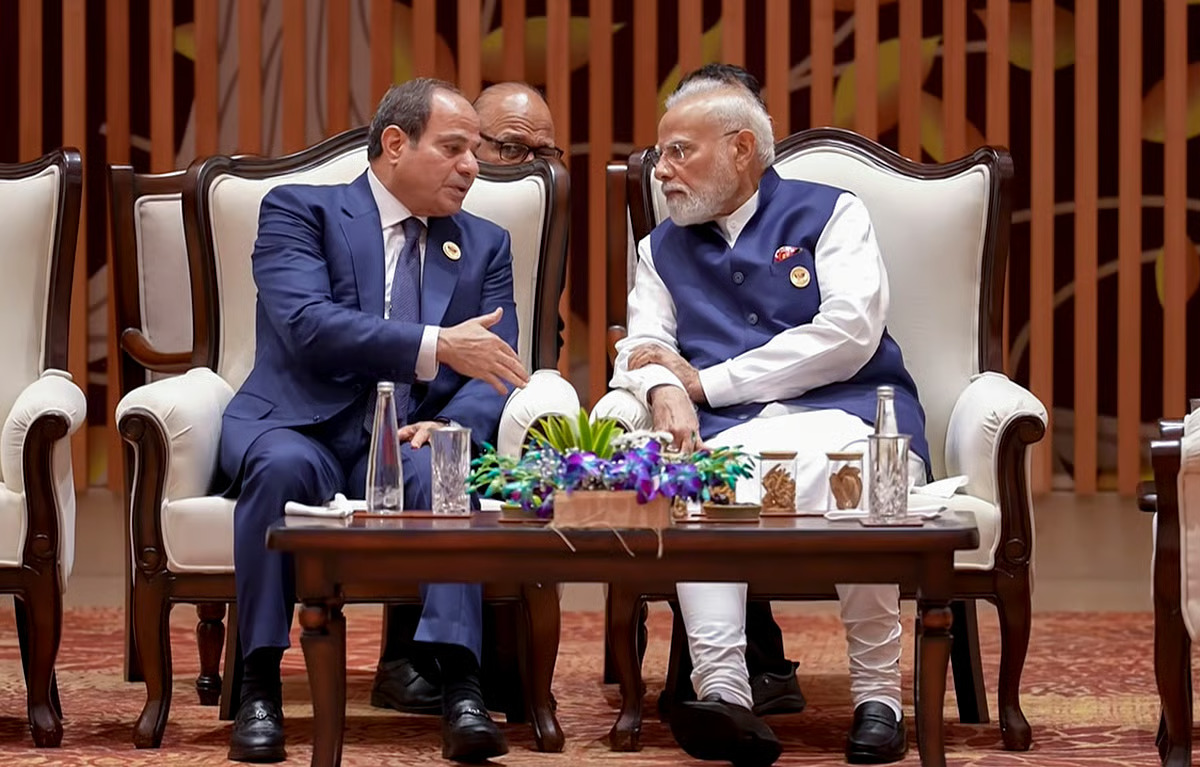

India and Canada are stepping up efforts to strengthen their economic relationship, with discussions on a proposed Comprehensive Economic Partnership Agreement (CEPA) gaining momentum. The agreement, which is intended to function as a comprehensive free trade pact, is expected to open new opportunities for businesses, improve market access and increase investment between the two countries. Both governments are aiming to conclude negotiations by the end of 2026, reflecting a renewed commitment to building a stronger and more diversified economic partnership. The latest development came on November 11, 2026, when Canada’s Minister of International Trade, the Honourable Maninder Sidhu, met India’s Minister of Commerce and Industry, Shri Piyush Goyal, in New Delhi. The meeting focused on advancing negotiations and translating the growing political engagement between the two countries into tangible commercial outcomes.
According to Global Affairs Canada, the discussions took place as the sixth round of CEPA negotiations began in New Delhi, scheduled from November 11 to 20. The ministers reviewed progress and reaffirmed their shared interest in reaching an agreement that delivers practical benefits for businesses, workers and consumers in both countries. The meeting follows several rounds of negotiations and sustained engagement between trade officials since the formal process was launched earlier in 2026. Both sides are seeking to maintain momentum and address outstanding issues to ensure that the eventual agreement is balanced and mutually beneficial.
The proposed CEPA is central to the two countries’ ambition to significantly increase bilateral commerce. Under the framework outlined in their joint leaders’ statement, India and Canada have expressed the aspiration of expanding two-way trade to CAD 70 billion, equivalent to approximately INR 4.65 lakh crore, by 2030. The scale of the existing relationship provides a foundation for this ambition. According to Canadian government figures, bilateral trade in goods and services reached CAD 30.4 billion in 2025. Merchandise trade accounted for CAD 13.6 billion of that total.
India’s exports to Canada include pharmaceuticals, textiles, electronic goods, chemicals, seafood and iron and steel products. In return, Canada supplies India with pulses, fertilisers, coal, petroleum products, wood pulp and other commodities. Services, particularly information technology, telecommunications, education and professional services, also form an important part of the relationship.
The discussions between the two ministers also highlighted several sectors with considerable potential for expanding commercial cooperation. These include aerospace and space technology, clean technology, energy transition, information and communication technology, life sciences and agri-food. Energy is expected to remain an important component of the partnership. Canada possesses substantial natural resources and expertise in energy production, while India continues to seek reliable energy supplies to support its growing economy. Cooperation in conventional energy, renewable power, nuclear energy and energy storage could create opportunities for investment and long-term commercial partnerships. Critical minerals are another area of shared interest. Both countries recognise the importance of developing reliable supply chains for minerals used in electric vehicles, renewable energy systems, batteries and advanced manufacturing. An existing memorandum of understanding on critical minerals cooperation provides a framework for collaboration in exploration, mining, processing, investment and technical knowledge-sharing.
The two governments are also looking to strengthen cooperation in agriculture and food processing. Canada is an important supplier of pulses to India, while Indian businesses have opportunities to expand their presence in food processing, pharmaceuticals and other consumer-oriented industries in the Canadian market. Canada has outlined its interest in securing improved market access for its goods and services, greater transparency in regulations and more predictable conditions for investors. Its negotiating objectives also emphasise labour rights, environmental sustainability and the preservation of domestic regulatory powers. Canada has specifically stated that it intends to maintain protections for its supply-managed dairy, poultry and egg sectors.
For India, the negotiations offer an opportunity to strengthen exports, attract investment, expand services trade and improve access to Canadian technology and resources. Ensuring that the agreement provides meaningful opportunities for Indian manufacturers, exporters and service providers will be an important consideration.
The CEPA negotiations were formally launched in March 2026, when Prime Minister of India Shri Narendra Modi and Prime Minister of Canada Mr Mark Carney witnessed the signing of the Terms of Reference in New Delhi. The document established the framework and approach for negotiations covering trade in goods, services and other mutually agreed policy areas. The two leaders subsequently reaffirmed their commitment to concluding the agreement during their October 13, 2026, telephone conversation, underlining the importance of strengthening economic engagement and supporting the ambition of doubling bilateral trade by 2030.The renewed engagement marks an important phase in India-Canada relations. With the sixth round of negotiations underway in New Delhi, attention is now focused on resolving outstanding issues and moving towards a mutually acceptable agreement.
If concluded successfully, the CEPA could provide a more stable foundation for trade and investment, strengthen supply-chain connections and encourage greater participation from businesses in both countries. Beyond its immediate commercial benefits, the agreement could also contribute to rebuilding long-term economic confidence and establishing a broader partnership between two countries with complementary economic strengths