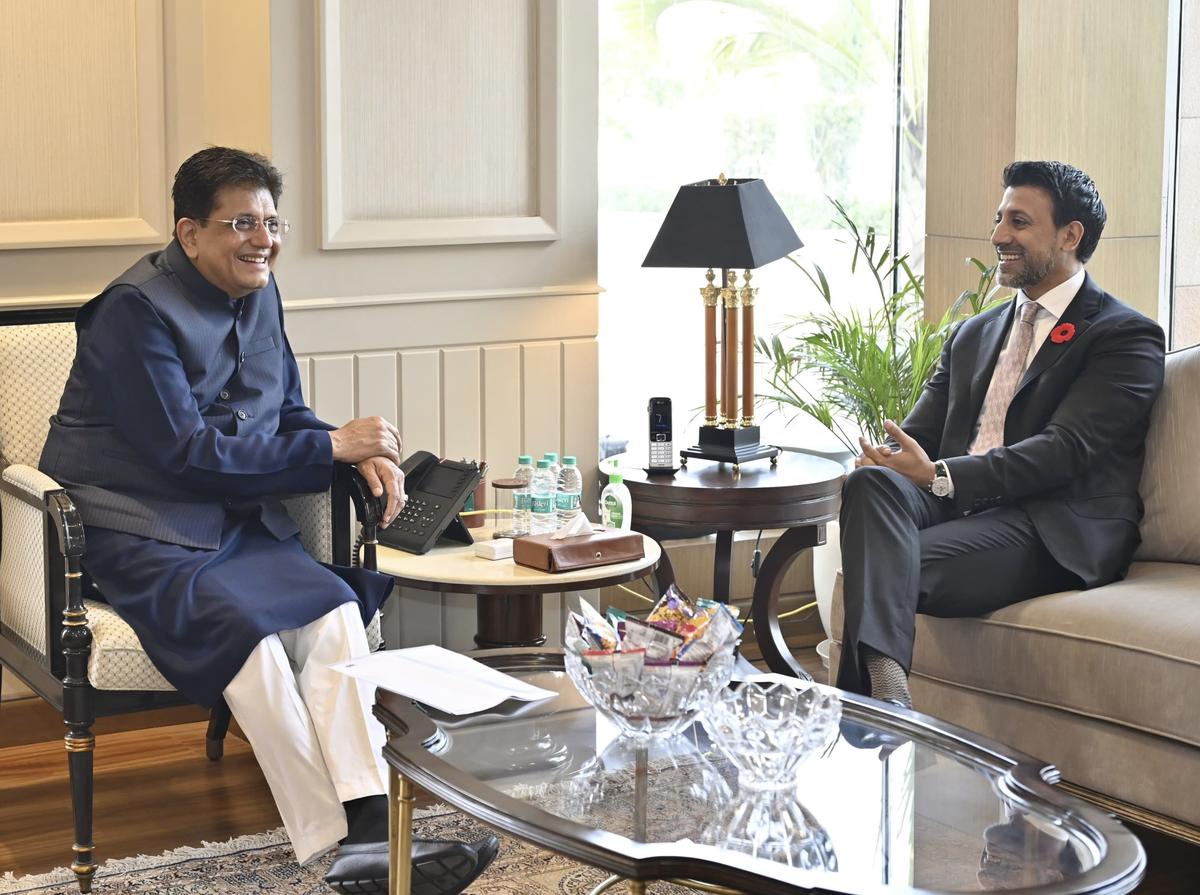
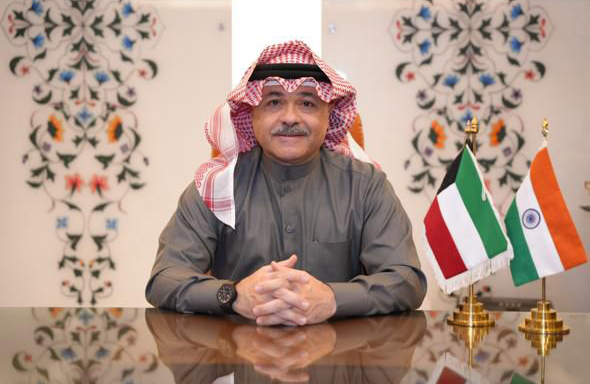
H.E. Mr. Meshal Mustafa Al-Shemali, the Ambassador of the State of Kuwait to the Republic of India, said the Year 2026 marks a significant milestone in Kuwait-India relations, as the two countries celebrate the 65th anniversary of the establishment of diplomatic ties in 1961. He noted that diplomatic relations were an extension of a long history of commercial, social, and maritime ties between the two countries, dating back more than six centuries.
He further noted that the Year 2026 also marks the first anniversary of the elevation of Kuwait-India relations to a strategic partnership, describing the development as a reflection of the depth of the historical ties and their shared commitment to further strengthening bilateral relations. He noted that both nations are working to turn this partnership into tangible cooperation across several key sectors.
He said that defense cooperation, renewable energy, emerging technologies, infrastructure, healthcare, and food security would be among the key areas poised for significant expansion in the coming period. He highlighted the vast potential for both countries to forge economic and investment partnerships that yield mutual benefits.
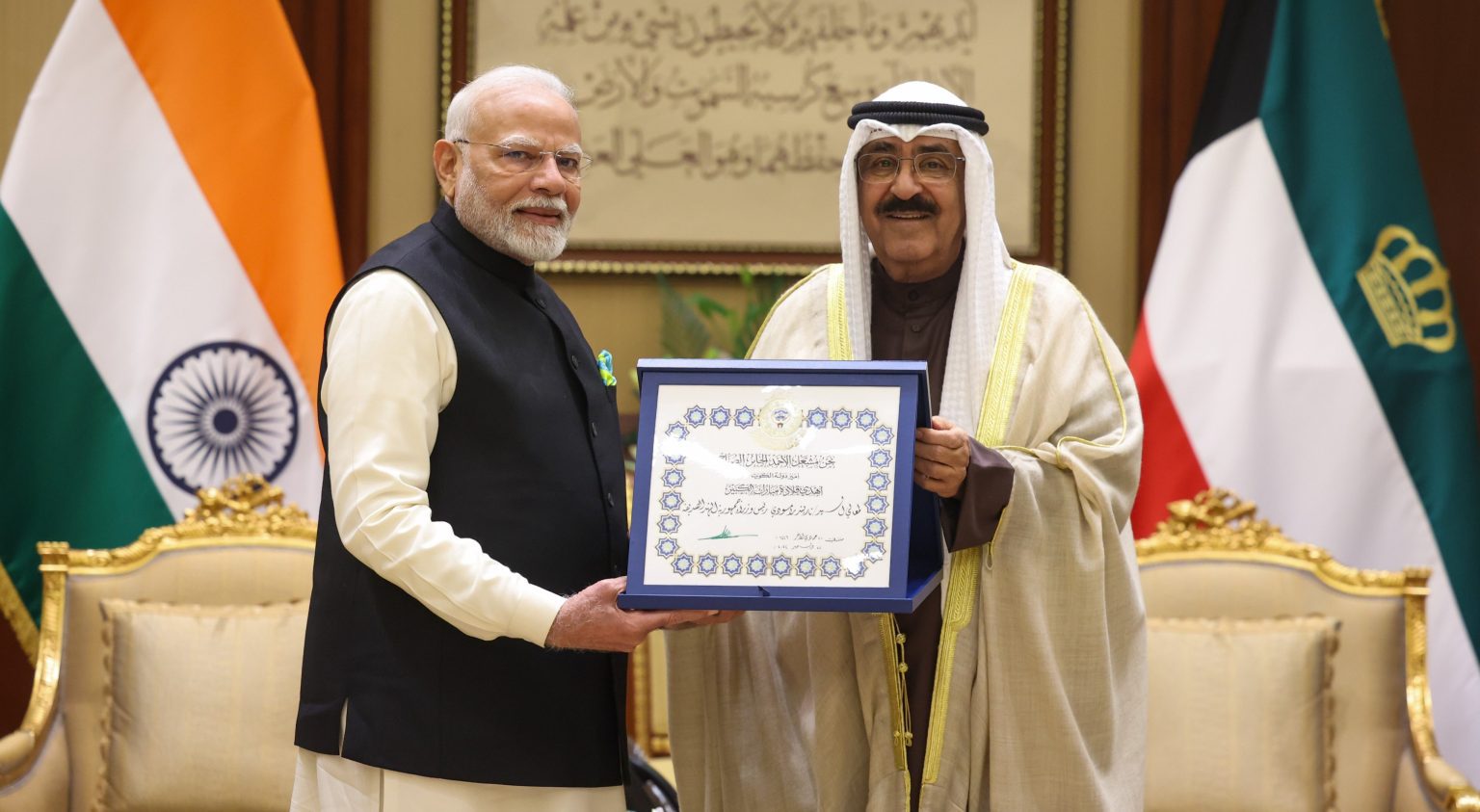
He pointed out that the visit of Indian Prime Minister Shri Narendra Modi to Kuwait in December 2024—the first such visit by an Indian Prime Minister in 43 years—marked a historic milestone in bilateral relations and helped elevate them to the strategic partnership.
H.E. noted that the visit witnessed the signing of several important agreements and memoranda of understanding (MoUs), including an MoU on defense cooperation, a cultural exchange program for 2025–2029, and an executive program for sports cooperation for 2025–2028.
He also noted that Kuwait signed the International Solar Alliance (ISA) treaty in December 2024 (ratified in May 2025), in addition to an MoU between the Financial Intelligence Units (FIUs) of two countries in July 2025, and an MoU regarding increasing seat capacity for civil aviation carriers in the same month.
Defense Cooperation
H.E. emphasized that the Memorandum of Understanding (MoU) on Defense Cooperation between the two countries established a broad institutional framework for military cooperation, including military training and exercises, and the exchange of technical expertise, as well as research, defense system development, logistics cooperation, and counter-terrorism efforts.
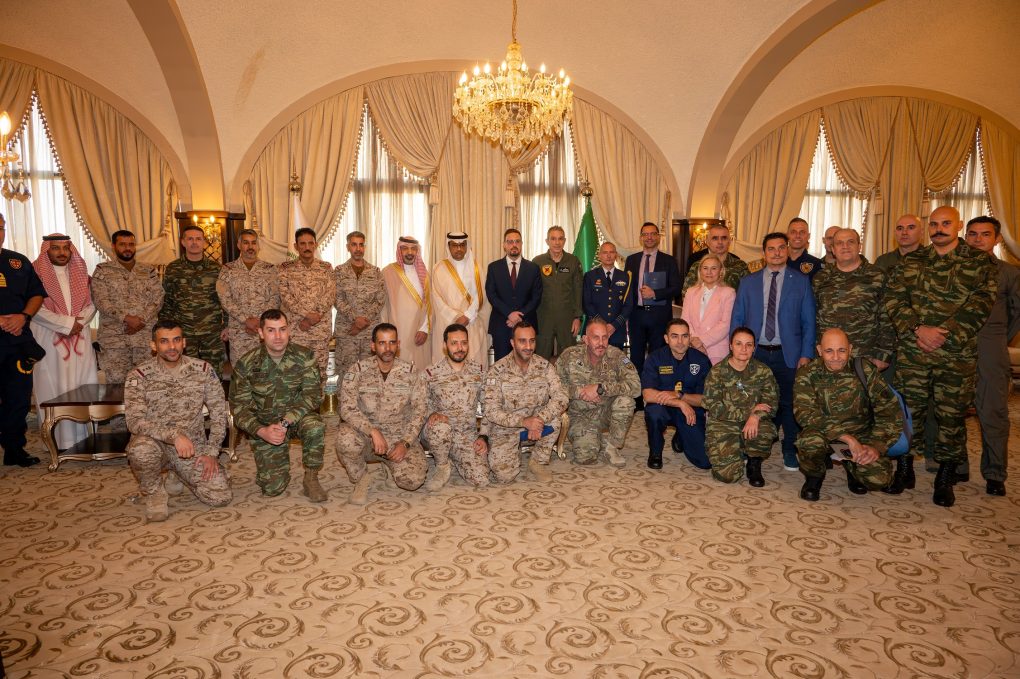
He noted that the inaugural meeting of the Kuwait-India Joint Defense Committee in New Delhi last August marked a significant step toward operationalizing the MoU, highlighting the agreement to enhance various forms of military training and to leverage shared expertise in defense industries and military medicine.
He stated that the committee’s meeting has elevated defense cooperation between the two nations to new horizons, extending beyond traditional military collaboration to include defense industries, technology, research, and training.
He also pointed that both countries agreed to exchange visits and increase the frequency of meetings between military officials from both countries in the days ahead. He noted India’s advanced expertise in defense industries—from which Kuwait could benefit across several areas—citing the high quality and competitive pricing of Indian defense companies, as well as their advanced radar, surveillance, and reconnaissance systems and their pool of trained, qualified personnel.
Renewable Energy Cooperation
H.E. Mr. Al-Shemali noted that cooperation between Kuwait and India extends beyond traditional fields, moving into new, high-priority sectors—foremost among them renewable energy, emerging technologies, infrastructure, healthcare, and food security. He stated that these sectors offer genuine opportunities to strengthen the economic partnership, particularly as Kuwait seeks to diversify its revenue sources and achieve the goals of its “Kuwait 2035” vision.
Health Cooperation
H.E emphasized that health cooperation is a key area of collaboration between Kuwait and India, noting that India is one of the primary sources of specialized medical and technical personnel for the country. He said Indian doctors, nurses and other healthcare workers account for approximately one-third of the workforce in Kuwaiti medical facilities, alongside specialists in fields considered essential to the country’s healthcare system.
Travel and Tourism
On travel and tourism ties, Mr. Al-Shemali said estimates show that more than 11,000 tourist visas were issued to Kuwaiti citizens between the beginning of 2024 and the first half of 2025, reflecting growing travel between the two countries.
He explained that more than 7,700 tourist visas were issued in 2024, while approximately 4,100 additional visas were issued during the first seven months of 2025, alongside nearly 656 e-visas. He also noted that the flow of Kuwaiti tourism to India in 2026 wasaffected by regional tensions and Iranian attacks on Kuwait and the Gulf states in general.
Foreign Office Consultations (FOCs)
H.E. said that the Eighth round of Foreign Office Consultations (FOC) between Kuwait and India took place in Kuwait on September 8, 2026, noting that these consultations serve as a key channel for enhancing political dialogue and exchanging views on bilateral, regional, and international issues of mutual interest.
He stated the strategic partnership announced in December 2024 had opened new avenues for further developing Kuwait-India relations. He expressed optimism that the coming period would see regular high-level visits between the two countries, along with greater exchanges of expertise in specialized fields.
Mr. Al-Shemali affirmed Kuwait’s keenness to attract more Indian investments and talent, noting the adoption of a new strategy to encourage Indian investment in several promising sectors. He highlighted infrastructure, manufacturing, tourism, healthcare, and renewable energy as key areas of focus.
He further affirmed Kuwait’s efforts to attract Indian companies to its market through direct investment and participation in major government projects, particularly in infrastructure, industry, renewable energy, healthcare and tourism.
Kuwaiti Investments
Mr. Al-Shemali noted that India is among Kuwait’s key trading partners, adding that Kuwaiti investments in India are performing well across several key sectors. He said these investments are contributing to India’s economic growth and revenues while also supporting Kuwait’s efforts to diversify its own revenue sources.
He expressed hope that the coming period would see an increased flow of Kuwaiti investments into India, alongside the attraction of new Indian investments to the Kuwaiti market, pointed out that Kuwait is one of the key suppliers of oil and gas to the Republic of India, meeting approximately 5% of the country’s energy needs.
He emphasized that the energy sector remains a key pillar of Kuwait-India economic relations, highlighting significant opportunities to expand bilateral cooperation in renewable energy.
Indian Community in Kuwait
On the Indian community in Kuwait, H.E. emphasized that Kuwait is a preferred destination for Indian expatriates working in both the public and private sectors, noting that it is the largest expatriate community in the country, currently numbering approximately one million people and accounting for about 21% of Kuwait’s total population and roughly 30% of the total workforce. He highlighted that members of the Indian community work in vital and diverse sectors such as medicine, nursing, healthcare, engineering, construction, and education, while making a valuable contribution to the country’s development, and playing an important role across a wide range of economic and service sectors.
Workforce Recruitment
H.E. Mr. Al-Shemali explained that Kuwait and India signed a memorandum of understanding in June 2021. The agreement outlines terms and conditions aimed at protecting workers’ rights and defines the legal obligations of both the employer and the worker. He confirmed that Kuwait imposes no restrictions on the number of workers who can be recruited from India, provided they meet the country’s applicable laws, rules and regulations.
Free Trade Negotiations
The Ambassador noted the commencement of free trade agreement negotiations between the Gulf Cooperation Council (GCC) States and the Republic of India this year, indicating that these negotiations represent a significant step in developing economic and trade relations between the Gulf States and India, reflecting a shared desire to expand economic partnerships. He added that the forthcoming agreement could open up broader avenues for trade and investment and strengthen the strategic partnership between the two countries.