Science and technology (S&T) have become increasingly vital tools for international diplomacy, economic development, and sustainable progress. In an era marked by climate change, digital transformation, public health issues, and energy transition, bilateral scientific cooperation allows countries to pool expertise, share technological advancements, and tackle shared global challenges. India and Denmark serve as an excellent example of how scientific collaboration develops from traditional development aid into a strategic innovation partnership.
Since establishing diplomatic relations, India and Denmark have steadily enhanced cooperation across research, higher education, renewable energy, biotechnology, water management, and environmental sustainability. What started as technical assistance and academic exchanges has evolved into a multifaceted partnership supported by government agencies, universities, research institutions, and private industries. The launch of the Green Strategic Partnership (GSP) in 2020 marked a significant milestone, placing science, technology, and innovation at the heart of bilateral relations.
Historical Evolution and Scientific Collaboration
Early Foundations of Scientific Cooperation (1949–1970)
Following India’s independence, Denmark was among the early European nations to establish diplomatic relations with the newly independent country. Although trade and political interactions initially dominated bilateral relations, scientific cooperation gradually emerged through educational exchanges and technical collaboration.
During the 1950s and 1960s, India’s national development strategy emphasised the development of scientific capacity through investments in higher education, engineering, and industrial research. Institutions such as the Indian Institutes of Technology (IITs), the Indian Institute of Science (IISc), and the Council of Scientific and Industrial Research (CSIR) became central pillars of India’s scientific ecosystem. Denmark, with its well-established research universities and technological expertise, became an important partner in knowledge exchange.
India–Denmark cooperation emphasised capacity building and Danish technical assistance focused on strengthening local research capabilities, an approach that would later become the foundation of more advanced collaborative research initiatives.
Development Cooperation and Capacity Building (1970–1999)
The 1970s marked a significant shift in India–Denmark relations as scientific cooperation became increasingly integrated with development assistance. Denmark emerged as an important development partner supporting India’s efforts to improve environmental management, water resources, agriculture, renewable energy, and rural development.
India and Denmark signed a Technical Co-operation Agreement in 1970, which further strengthened their collaborative activities in scientific development. The period witnessed growing collaboration between government agencies, research organisations, and universities. Training programmes enabled Indian scientists and engineers to gain experience in Danish laboratories, while Danish experts participated in technical missions and workshops in India. These interactions facilitated knowledge transfer and encouraged long-term institutional relationships. During this period, the Danish International Development Agency (Danida) funded numerous projects focused on technical training, institutional strengthening, and applied scientific research.
Transition from Development Assistance to Innovation Partnership (2000–2019)
The beginning of the twenty-first century marked a fundamental transformation in India–Denmark scientific relations. India’s rapid economic growth, expanding innovation ecosystem, and increasing investment in research and development shifted bilateral cooperation away from traditional development assistance toward collaborative innovation.
One of the most significant developments was the expansion of renewable energy cooperation. Denmark has long been regarded as a global leader in wind energy technology, while India has emerged as one of the world’s largest renewable energy markets. Collaborative initiatives involved government agencies, research institutions, and private companies working together on wind resource assessment, turbine technologies, offshore wind development, and electricity grid integration.
Similar collaborative projects emerged in other areas, such as water technology (digital water monitoring, smart water distribution systems, wastewater recycling, and integrated urban water management), biotechnology and life sciences, and higher education initiatives that shifted from a development orientation to the co-creation of knowledge and technology. India and Denmark increasingly pursued partnerships based on shared scientific excellence, mutual innovation, and common sustainability goals.
The Green Strategic Partnership: A New Era of Science and Technology Cooperation (2020–Present)
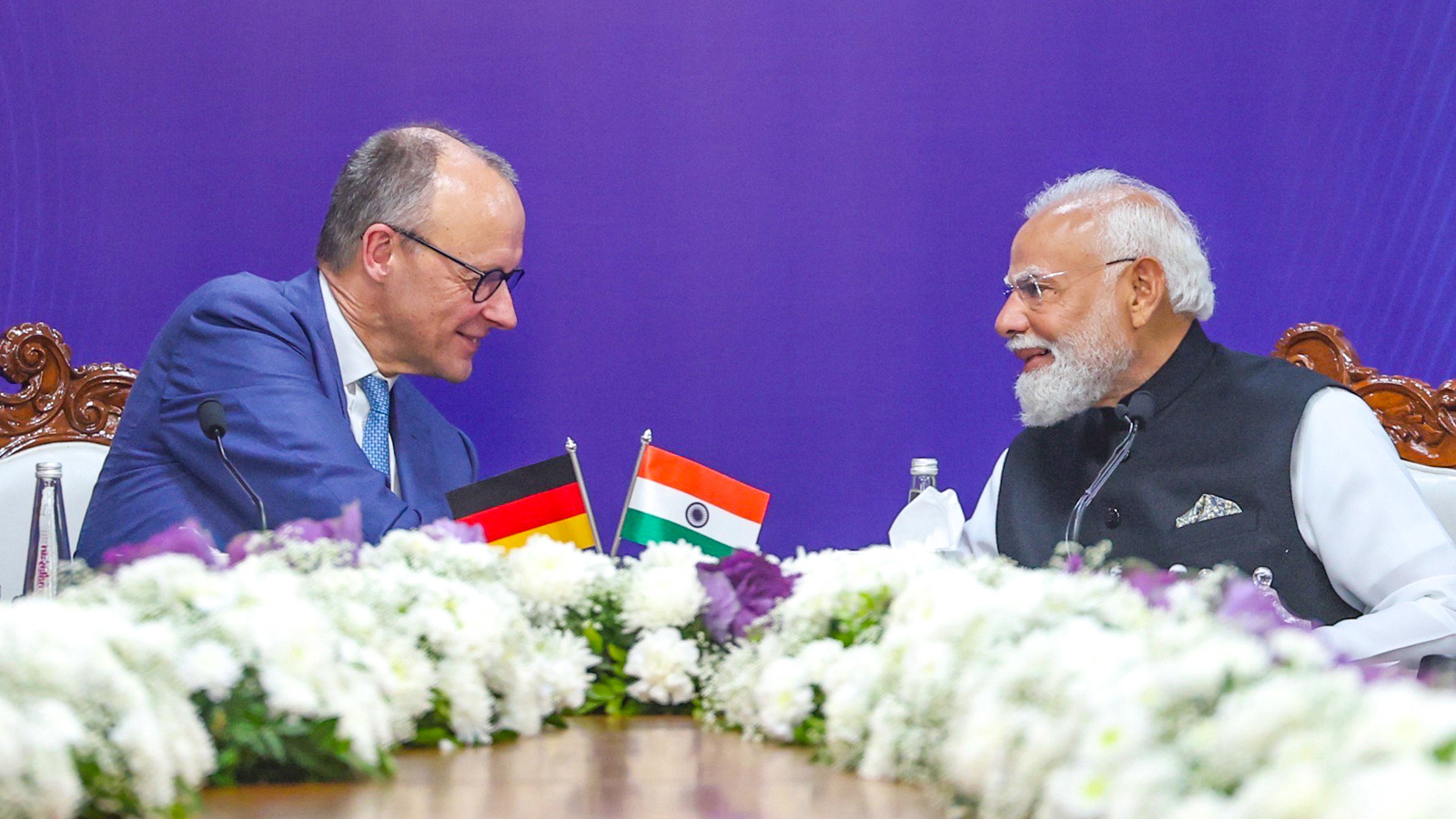
The most significant milestone in contemporary India–Denmark relations was the establishment of the Green Strategic Partnership (GSP) during the Virtual Summit between Prime Minister (PM) Shri Narendra Modi and Danish Prime Minister Ms. Mette Frederiksen in September 2020. The partnership elevated bilateral relations beyond conventional diplomatic and commercial engagement by placing sustainability, innovation, and science and technology at the centre of bilateral cooperation. The Joint Statement specifically identifies science, technology, and innovation (STI) as key drivers for accelerating green growth and achieving the Sustainable Development Goals (SDGs). It also emphasises joint research, public–private partnerships, innovation ecosystems, and knowledge exchange across renewable energy, water technologies, bioresources, digital technologies, and climate action.
In 2021, both governments adopted a Five-Year Joint Action Plan (2021–2026), providing a structured roadmap for collaboration across renewable energy, environment, science and innovation, health, maritime affairs, agriculture, and digital transformation. The work involved creating 11 Joint Working Groups across various key sectors, including renewable energy, agriculture, and science and technology. This institutional framework has significantly strengthened bilateral scientific cooperation by establishing measurable objectives and regular ministerial consultations. Momentum has been sustained through high-level exchanges — including the State Visit of PM Ms. Mette Frederiksen to India in October 2021 and PM Modi’s visit to Denmark in May 2022 — alongside newer sector-specific mechanisms such as the Green Transition Alliance India, launched in 2025 to deepen cooperation on renewable energy and green fuels.
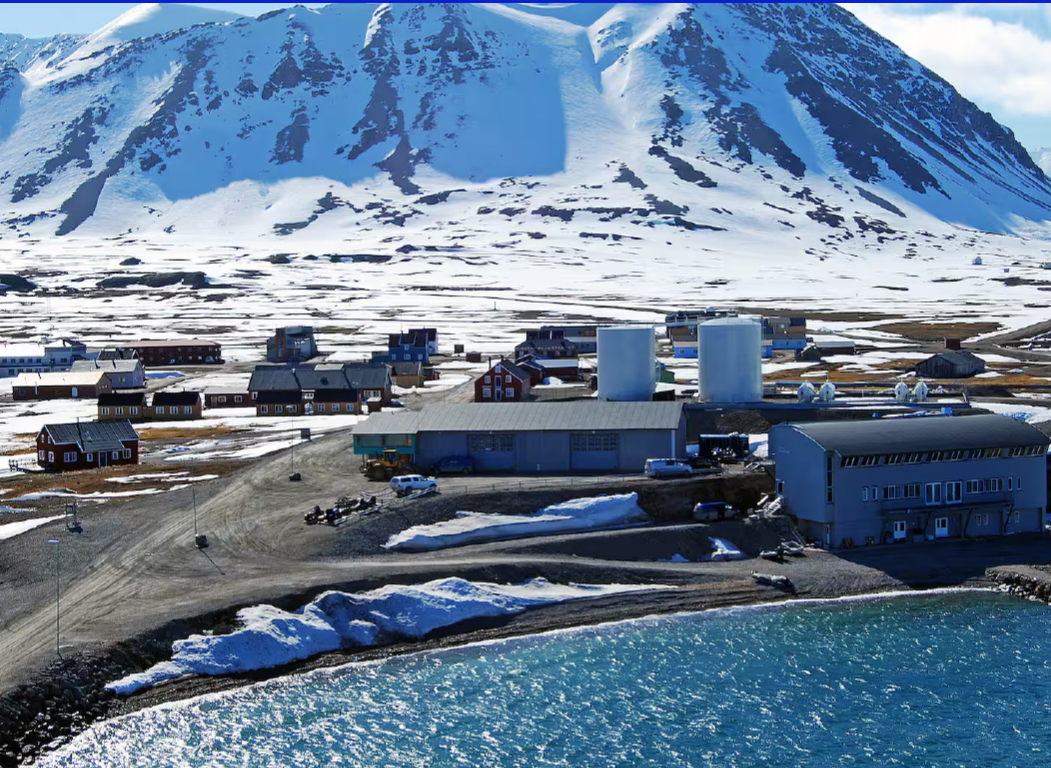
Denmark is a permanent member of the Arctic Council, while India holds observer status, and the two countries collaborate on polar and climate research — India operates its research station, Himadri, in Svalbard, within the Arctic Circle. Denmark is also a member of the India-led International Solar Alliance, reinforcing joint efforts on solar energy technology and clean energy transition. These multilateral platforms complement the Green Strategic Partnership by extending India–Denmark scientific collaboration into global climate and energy governance.
The Green Strategic Partnership has established an institutional framework capable of supporting long-term scientific cooperation. Increasing collaboration between universities, industries, start-ups, and government agencies is looking to accelerate technology commercialisation and innovation-led growth.
Conclusion
Over the past 77 years, India–Denmark science and technology cooperation has evolved from modest academic exchanges into a comprehensive strategic partnership founded on innovation, sustainability, and shared democratic values. Initially characterised by technical assistance and capacity building, bilateral cooperation now encompasses cutting-edge research in renewable energy, biotechnology, artificial intelligence, digital technologies, water management, maritime innovation, and climate science.