South-East European countries are being encouraged to strengthen cooperation over rivers, lakes and underground water reserves that cross national boundaries, as climate change, pollution and growing demands for freshwater place increasing pressure on the region’s water resources. A regional initiative led by the United Nations Educational, Scientific and Cultural Organization (UNESCO) has brought government representatives, scientists, water management specialists and young professionals together to explore how stronger cooperation can help protect these shared resources and support long-term stability. The discussions took place on 28 and 29 September 2026 in Rome, Italy, during the Euro-Mediterranean Water Forum. UNESCO organised a two-day regional symposium entitled “Strengthening Water Cooperation in South-East Europe”, creating a platform for countries to exchange experience, examine common challenges and identify practical ways to improve the management of transboundary waters.
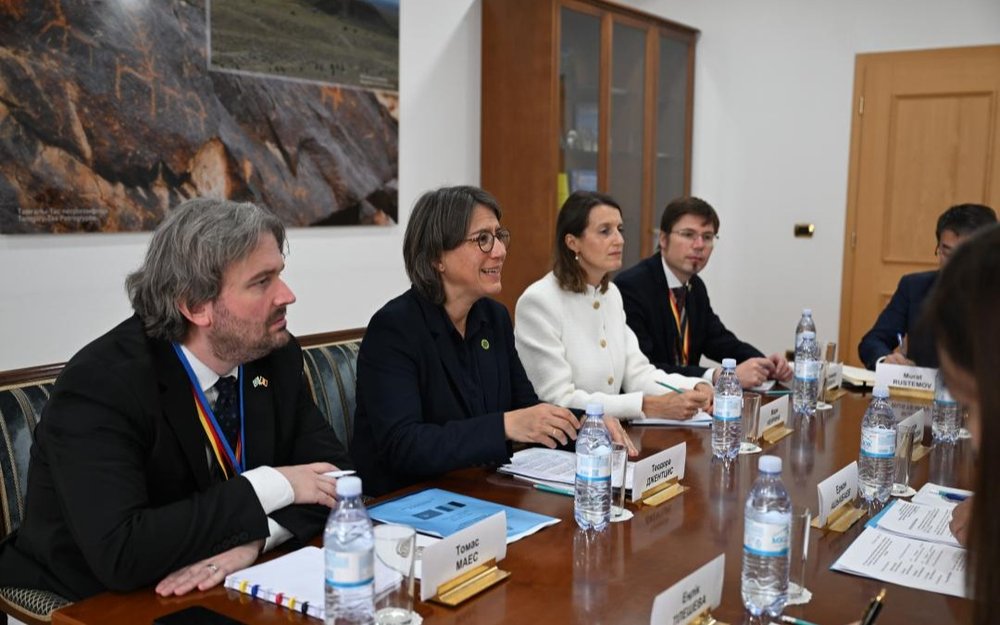
The initiative reflects a wider recognition that water management cannot be addressed effectively within national borders alone. Rivers flow between countries, groundwater systems extend beneath different territories, and changes in one part of a water basin can affect communities and ecosystems elsewhere. Cooperation is therefore essential to ensuring that water remains available for households, agriculture, industry and the natural environment. The symposium was organised jointly by UNESCO’s Intergovernmental Hydrological Programme, through the UNESCO Office in Venice, and the UNESCO World Water Assessment Programme. It brought together representatives from Albania, Bosnia and Herzegovina, North Macedonia and Slovenia, alongside scientists, water professionals, young people and international partners. Opening the meeting, Magdalena Landry, Director of the UNESCO Office in Venice, emphasised that shared water resources should serve as a basis for dialogue, trust and common prosperity rather than become a source of division. Her message reflected the central objective of the gathering: to turn common environmental pressures into opportunities for regional collaboration.
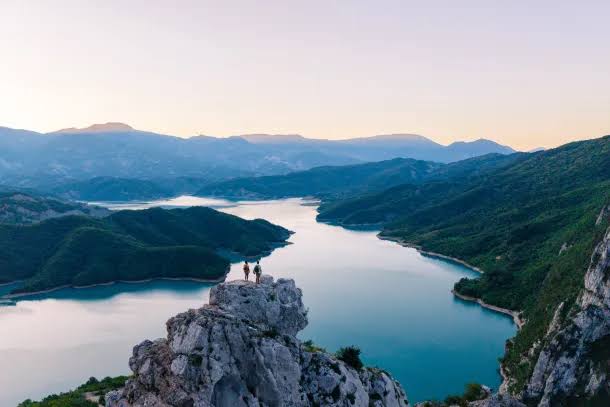
South-East Europe possesses interconnected river systems, lakes and aquifers that are important to local livelihoods, economic activity and biodiversity. These resources support drinking-water supplies, agriculture, energy production, tourism and other sectors. Their condition also affects wetlands, aquatic habitats and the wider environmental health of the region. However, the pressures on these systems are becoming more complex. Climate change is contributing to concerns about droughts, floods and changing water availability, while pollution and competing demands place additional strain on water resources. The consequences are not confined to the country in which a problem first emerges. Pollution can travel downstream, drought can affect several countries sharing the same basin, and flooding can create risks for communities on both sides of a border. These shared challenges make coordination between governments particularly important. If countries rely on different monitoring methods, maintain incomplete information or plan infrastructure without considering conditions across a wider basin, their efforts may not deliver the best results for the region as a whole.
The discussions in Rome highlighted the need to strengthen existing cooperation arrangements rather than depend solely on separate national responses. Participants reaffirmed the importance of joint monitoring, information sharing, improved drought preparedness and investment in infrastructure capable of withstanding climate-related pressures. The emphasis was on translating commitments into measures that can be implemented. Cooperation requires more than recognising that countries face similar difficulties. It also depends on institutions that can coordinate their work, reliable scientific information, regular communication and the capacity to make decisions that reflect the interests of all countries sharing a water system.
One of the central themes of the symposium was the relationship between scientific knowledge and political decision-making. Sofjan Jaupaj, Albania’s Minister of Environment, stressed that effective water diplomacy depends on reliable data, capable institutions, sustained dialogue and the ability to connect scientific findings with policy decisions. The point is particularly relevant to transboundary water management, where governments must often make decisions based on conditions extending beyond their own territory. Scientific evidence can help establish a common understanding of water availability, pollution levels, ecosystem conditions and the risks associated with extreme weather. When countries use comparable information, it becomes easier to identify shared priorities and develop responses that benefit the wider basin.
During the symposium, participants considered ways to improve the skills of diplomats, policymakers and water professionals involved in cross-border cooperation. They also discussed scientific partnerships, early-warning systems, water financing and integrated approaches to managing shared resources. Early-warning systems are especially important where floods and droughts can affect several countries. Timely information can help authorities prepare for emergencies, protect vulnerable communities and coordinate their responses. Similarly, better data exchange can support longer-term planning by giving neighbouring countries a clearer picture of changes taking place across an entire river basin or aquifer.
Technology also featured in the discussions. Participants explored the potential for artificial intelligence and satellite technologies to contribute to transboundary water management. Such tools may help improve monitoring, identify environmental changes and strengthen the evidence available to decision-makers. Their effectiveness, however, depends on appropriate application, dependable information and cooperation between the institutions responsible for using the results. Financing was another important consideration. Climate-resilient infrastructure, monitoring networks and effective water management institutions require sustained resources. Identifying funding opportunities and developing initiatives that can attract investment will be important if regional commitments are to produce lasting improvements.
Building on existing regional cooperation
The symposium also considered how new initiatives can build upon established river basin institutions, scientific networks and international partnerships. South-East Europe has experience of cooperation over shared water systems, demonstrating that countries with different national priorities can work together when there are common objectives and functioning institutional arrangements. These existing structures offer a foundation for further collaboration, although continued political commitment and practical support remain necessary. An important example is the initiative known as DIKTAS II, formally titled the “Implementation of the Strategic Action Programme (SAP) of the Dinaric Karst Aquifer System: Improving Groundwater Governance and Sustainability of Related Ecosystems”.
The initiative focuses on improving governance of shared groundwater resources and supporting the sustainability of the ecosystems connected to them. Groundwater is an important part of water security, yet its management can be particularly challenging because aquifers are not always visible and their boundaries do not necessarily correspond to national borders. Karst groundwater systems, formed in soluble rocks such as limestone, can be highly interconnected. Water may move through underground channels and fractures, linking locations that appear geographically separate at the surface. Understanding these connections requires scientific investigation and the exchange of information between the authorities responsible for protecting the resource.
Youth participation emerged as another significant issue during the two-day gathering. Young participants called for a more substantial role in water diplomacy, policy discussions and decision-making, arguing that representation should extend beyond symbolic participation. Water security is a long-term concern, and the decisions taken today will influence the environmental and economic conditions inherited by future generations. Young water professionals and emerging leaders can contribute fresh perspectives, technical knowledge and an understanding of the challenges facing their communities. However, meaningful participation requires opportunities to influence discussions and contribute to the development of policy. Mentorship, intergenerational learning and professional networks can help young people develop the expertise and institutional connections needed to take part in regional initiatives.
The Rome symposium concluded with a clear emphasis on moving from discussion to implementation. Strengthening regional cooperation will require countries to build on existing arrangements, improve institutional capacity, share scientific information and develop initiatives that respond to the needs of the communities and ecosystems concerned. The meeting forms part of UNESCO’s wider work to promote scientific cooperation and improve water governance. Its importance lies not in the creation of another discussion platform alone, but in the opportunity to connect national priorities with practical regional action.