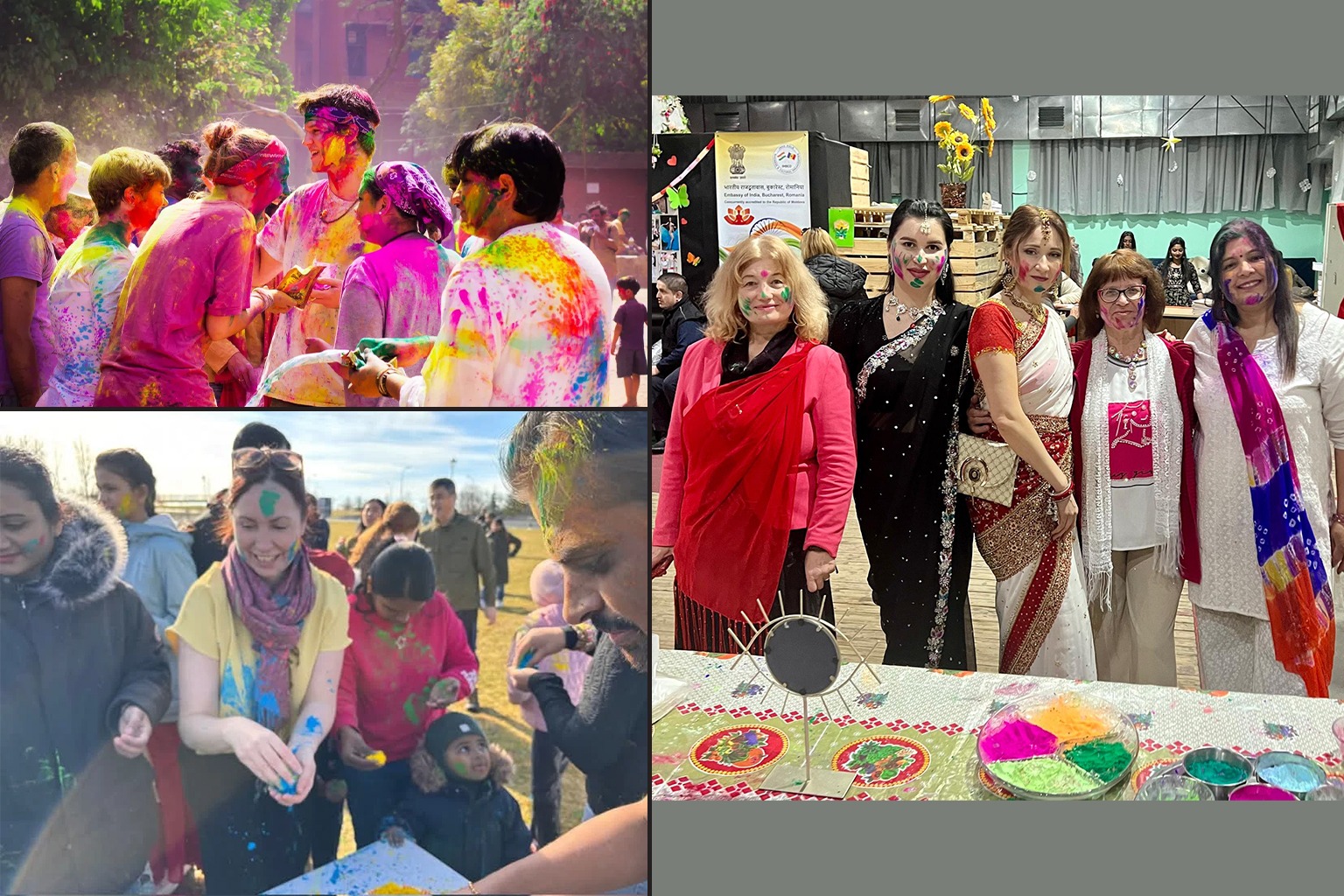
The festival of Holi in 2026 was celebrated on 4 March, reflecting the spread of South Asian traditions across the world and reaffirming Holi’s status as a global cultural celebration. The festival was not only observed across the Indian subcontinent but also in diaspora communities around the world. From temple towns in India to public parks in Europe and major urban spaces in North America, the festival of colours was marked with music, dance, food, and communal participation.
Across India, Holi celebrations were a vibrant mix of tradition and festivity. In Hampi, Karnataka, thousands of locals and international tourists gathered around the Virupaksha Temple, celebrating in the temple complex and along the riverbanks with coloured powder, music, and dancing. In northern India, cities such as Vrindavan, Mathura, Delhi, Jaipur, and Pushkar witnessed community gatherings in residential neighbourhoods and public spaces. The festival was celebrated with gulaal, traditional sweets, beverages, and music, reflecting the enduring spirit of Holi across the country.
Beyond India, the celebrations continued in regions with significant Indian diaspora communities. In the United Kingdom, a large public Holi gathering took place in a public park in Swindon, Wiltshire. Hundreds of people participated, turning the celebration into a multicultural gathering where individuals from diverse backgrounds joined in the festivities and experienced the vibrant traditions associated with the festival. The celebrations in the UK also continues with a larger public gathering held on the Sunday of Holi week.
In the United States, the Indian diaspora ensured that the festival received widespread visibility. Festive greetings and colourful displays related to Holi were projected onto screens in Times Square in New York City, symbolising the growing international recognition of the festival. Across American cities, community organisations and temple associations organised gatherings where people came together to celebrate with colours, music, and traditional food. These events have increasingly evolved into broader cultural festivals, attracting participants beyond the South Asian community. .
Within South Asia, beyond India, Holi was also widely celebrated in Nepal, where the festival is known as Fagu Purnima. Celebrations took place across major cities and towns, featuring street festivities and public gatherings. Hindu communities in Bangladesh and Pakistan also marked the occasion through temple-organised events and cultural programmes. The Caribbean region, which has hosted a large Indian diaspora since the nineteenth century, also observed the festival under the name “Phagwah.” Countries such as Guyana, Suriname, and Trinidad and Tobago marked the occasion with vibrant community celebrations.
While the style of celebration has evolved, the use of coloured powder, music, and devotional songs remains central to the festivities. Similarly, nations in the Indian Ocean and Africa, including Mauritius and South Africa, continued to celebrate the festival through community gatherings and cultural programmes organised by temples and community associations, blending local cultural expressions with Indian traditions.
The growing global celebration of Holi shows how the festival has moved beyond its traditional role as a religious or seasonal observance. Today, it stands as a symbol of cultural exchange and community bonding. Public events organised across different countries bring people from diverse cultural backgrounds together, celebrating Holi as an expression of joy, unity, and the arrival of spring season.