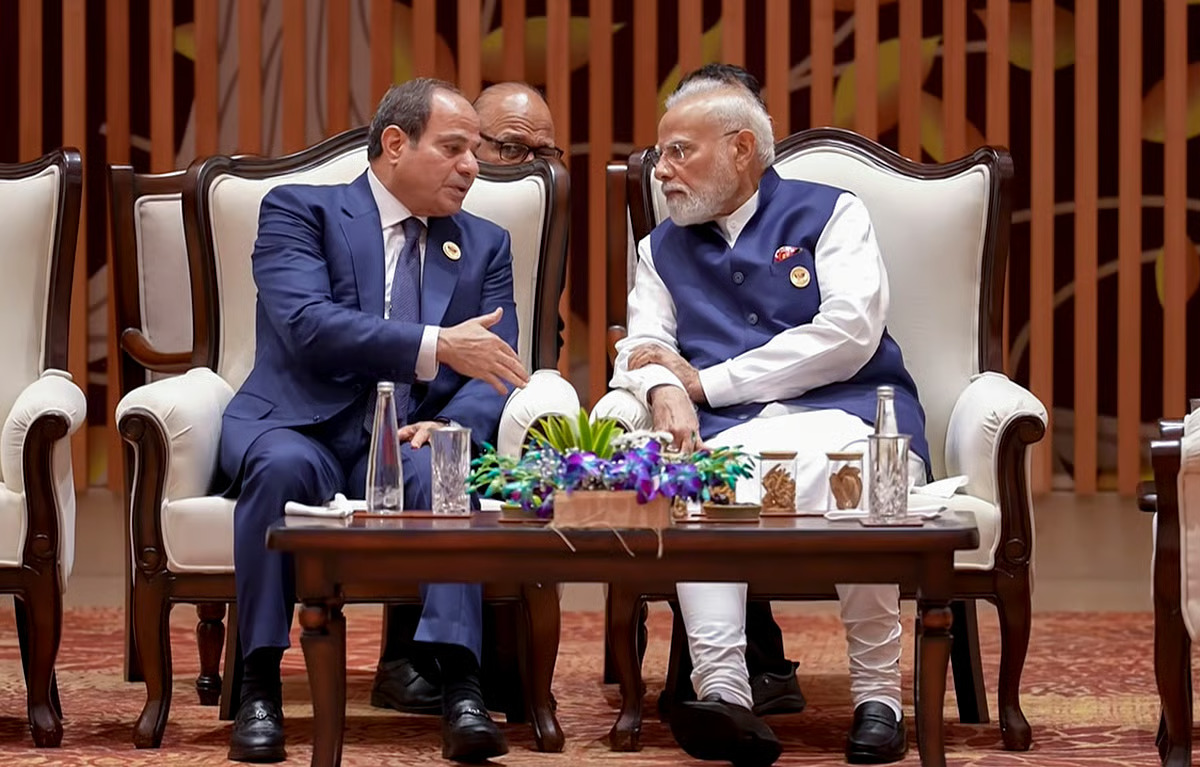
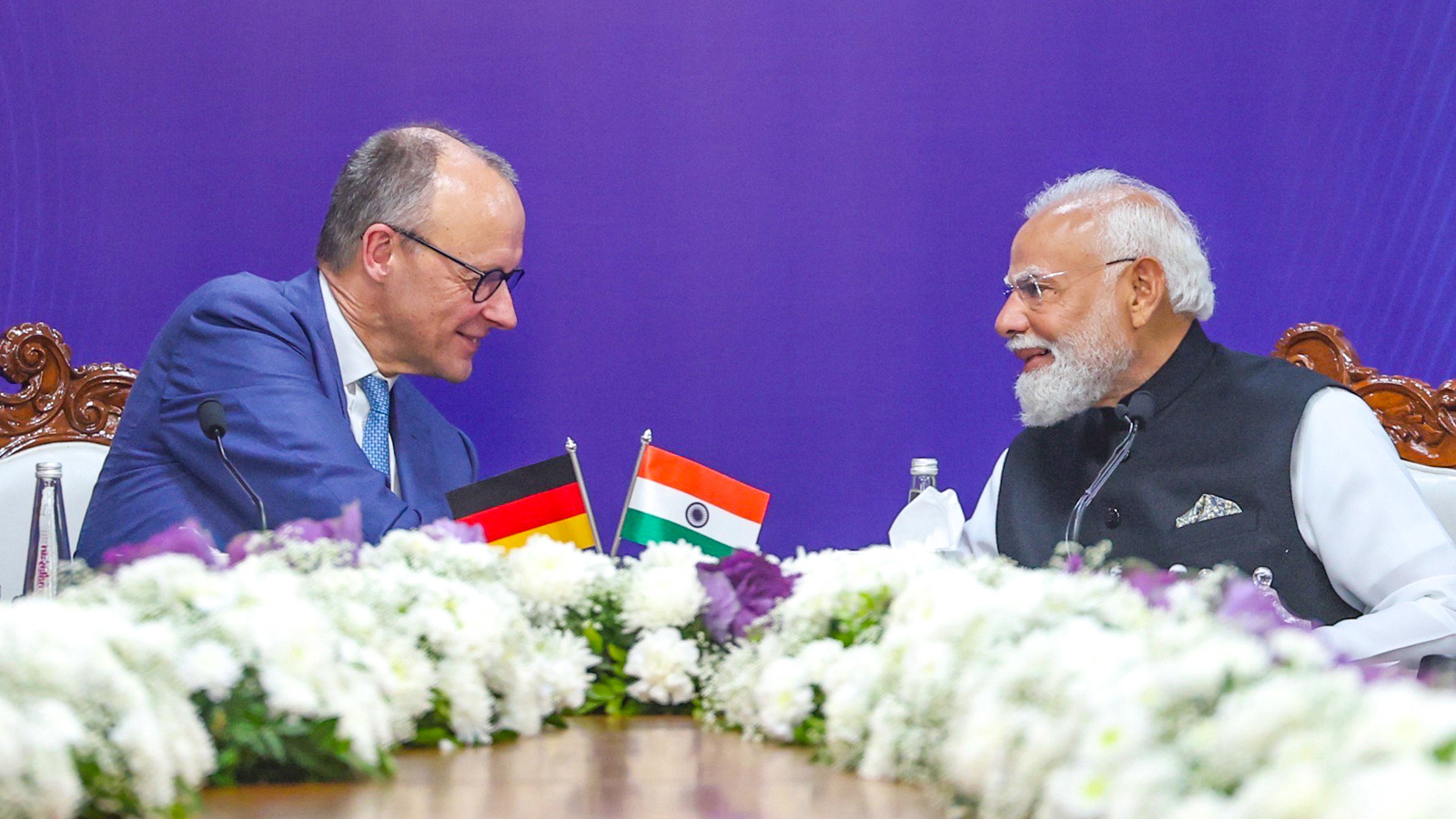
Indian Prime Minister Narendra Modi and German Chancellor Friedrich Merz have reaffirmed their comm Both leaders expressed satisfaction with the continued momentum in bilateral engagement and agreed to work more closely to address regional and international challenges. According to an official statement from the Prime Minister’s Office, the two leaders reviewed progress in their strategic partnership and discussed opportunities to expand cooperation across several important sectors. Defence and advanced technologies featured prominently in their discussions, alongside the potential for increased trade and investment.
The leaders also exchanged views on regional and global developments of mutual interest. They agreed that India and Germany would continue working together to promote international peace, stability and a rules-based international order, while strengthening cooperation through multilateral forums. The conversation follows a series of high-level engagements between the two countries this year, including Chancellor Merz’s official visit to India in January. During that visit, Prime Minister Modi and Chancellor Merz held talks in Ahmedabad and reviewed the broader direction of bilateral relations. The visit resulted in several agreements and declarations aimed at expanding cooperation in defence, technology, economic development and scientific research.
Defence cooperation has emerged as an increasingly important component of the relationship. During the January visit, both governments welcomed a joint declaration of intent to strengthen bilateral defence industrial cooperation. The initiative seeks to encourage long-term collaboration between defence industries, including technology partnerships, co-development and co-production of equipment. The two countries have also been working to expand military-to-military engagement through joint exercises, training programmes, staff talks and exchanges between senior defence officials. Cooperation in maritime security and defence technology has remained an important part of the wider strategic dialogue. India and Germany have also sought to deepen collaboration in emerging technologies. Agreements announced in January covered semiconductor ecosystems, critical minerals and telecommunications, reflecting the growing importance of technology and resilient supply chains to both economies.
The partnership extends beyond defence and technology. Germany remains one of India’s most important economic partners in Europe, with companies from both countries maintaining a substantial presence in each other’s markets. The leaders noted that the India-European Union Free Trade Agreement could create. The trade agreement, once in place, is expected to boost market access and economic engagement between India and the European nations such as Germany. More cooperation on manufacturing, innovation and investment could further support development of commercial links. The two Governments have also continued to collaborate on climate change and sustainable development issues. Their Green and Sustainable Development Partnership encourages cooperation in renewable energy, climate-resilient infrastructure, sustainable urban development and other areas related to the transition to a more sustainable economy. The leaders’ renewed emphasis on peace, stability and international cooperation underscores the importance they attach to their partnership at a time of significant global uncertainty.