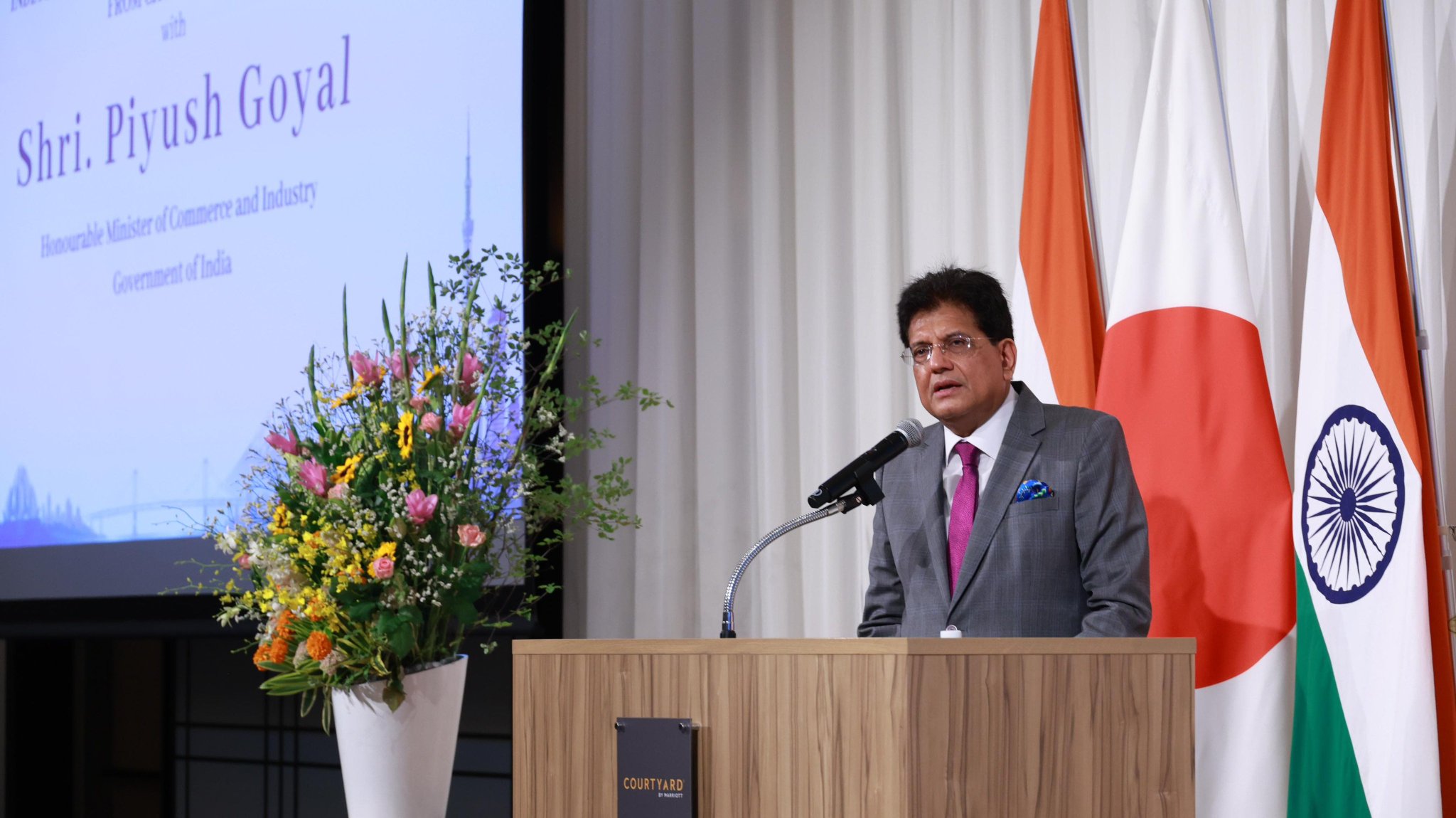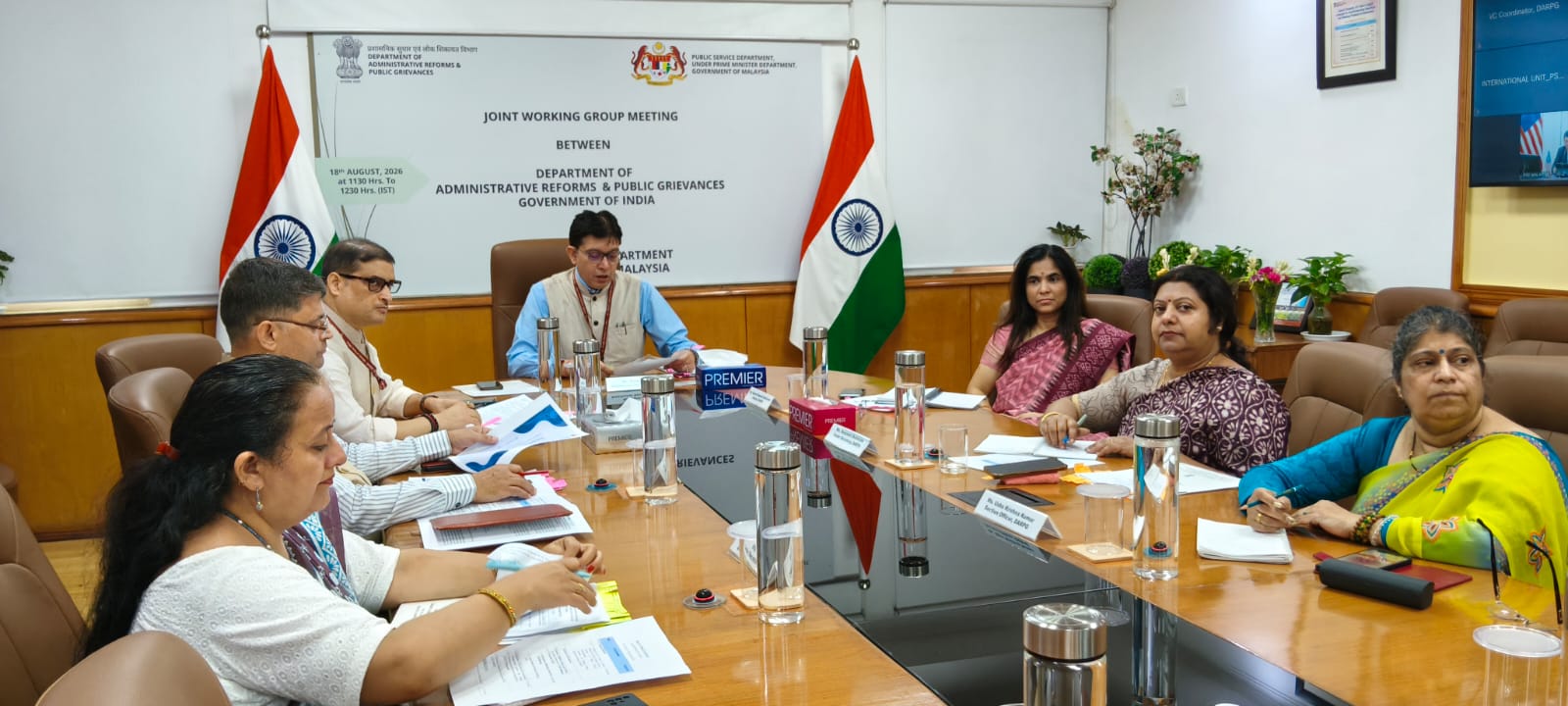
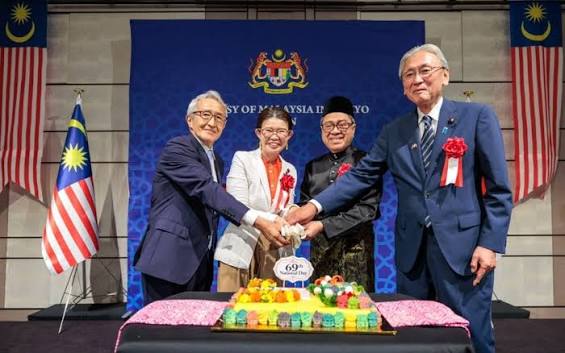
Malaysia and Japan would mark their 70 years of diplomatic relationship in 2027, where they are looking to cooperate more on trade, investment, energy, technology, security and people-to-people relationships. It is expected that it will provide a relationship that will develop significantly, especially since Malaysia and Japan elevated their ties to the Comprehensive Strategic Partnership in December 2023. In the months leading up to the anniversary, officials from both sides have continued discussions on how to strengthen that partnership and give greater momentum to existing areas of cooperation. The two countries formally established diplomatic relations in August 1957, the same year Malaysia gained independence. The Malaysian Embassy said the event served as a reminder of the longstanding friendship between the two countries as preparations continue for the 70th anniversary in 2027.
The anniversary preparations have also featured prominently in recent diplomatic discussions. In September, Japan’s State Minister for Foreign Affairs Ayano Kunimitsu received Malaysia’s Ambassador-designate to Japan, Dato’ Ahmad Rozian. During the meeting, both sides reaffirmed their intention to work together towards the 70th anniversary and to strengthen cooperation in security, economic relations and people-to-people exchanges under the Comprehensive Strategic Partnership. The discussions follow a significant summit between Prime Minister (PM) of Japan Sanae Takaichi and PM of Malaysia Dato’ Seri Anwar Ibrahim in Tokyo in June. The meeting produced a joint statement setting out a broad agenda for the next stage of bilateral relations.
At the centre of that agenda is the Look East Policy, which has played an important role in Malaysia-Japan relations for decades. The two leaders agreed that the policy should continue to evolve, with greater emphasis on mutual exchanges and cooperation that allows both countries to make use of each other’s knowledge, experience and expertise. As of December 2025, 2,872 manufacturing projects involving Japanese participation had been implemented in Malaysia, representing total investments of RM107.9 billion and generating 347,346 employment opportunities.
Both governments are now looking at areas where this economic relationship can be taken further. During the June summit, PM Takaichi and PM Anwar agreed to encourage further public-private industrial cooperation. Automobile manufacturing was highlighted as one example, with cooperation between Malaysian company Perodua and Japan’s Daihatsu, including work related to hybrid electric vehicles. Energy is another major area of cooperation. The two governments have been working to strengthen energy security and supply-chain resilience, particularly amid wider disruptions and geopolitical risks affecting global energy markets. Malaysia reaffirmed its commitment to maintaining stable trade flows to Japan, including supplies of liquefied natural gas, petroleum and chemical products.
The June summit also produced a Letter of Intent on cooperation in energy security and energy transition. Both sides are working through frameworks, including the Asia Zero Emission Community and the Partnership on Wide Energy and Resources Resilience Asia, known as POWERR Asia. Cooperation also covers carbon markets, sustainable aviation fuel, carbon capture and storage, energy efficiency and other areas linked to the transition towards lower-emission energy systems. Critical minerals have emerged as another important element of the partnership. Japan and Malaysia have agreed to work towards stronger and more resilient supply chains for critical materials, including rare earths. The two sides have discussed cooperation involving Japanese institutions including JICA, JOGMEC and JBIC, alongside wider cooperation with other partners.
Technology is also becoming a more prominent feature of bilateral ties. In June, both governments agreed to establish a Japan-Malaysia AI Platform designed to encourage cooperation between companies and startups in both countries. The platform is intended to support the development of practical AI solutions for social challenges and to expand cooperation on AI governance and security.
The first meeting of the platform took place online in July. Japanese and Malaysian officials discussed AI applications in areas including agriculture, food security, education, mobility and transportation. They also agreed to facilitate business matching between Japanese and Malaysian companies and continue government-to-government discussions on broader AI cooperation. Security and maritime cooperation are also being expanded. Japan and Malaysia have agreed to continue exercises between the Japan Maritime Self-Defence Force and the Royal Malaysian Navy, while further training and exchanges between defence organisations are also planned.
The two countries have also strengthened cooperation between Japan’s Coast Guard and Malaysia’s Maritime Enforcement Agency. A Memorandum of Cooperation on maritime safety and security was signed during the June summit. The agreement is intended to contribute to maritime safety, secure navigation and stronger cooperation along important sea routes, including the Strait of Malacca and the South China Sea. People-to-people links remain another important pillar. The Japanese Government has said it will continue programmes such as JENESYS, the Sakura Science Exchange Program and MEXT scholarships. Both sides have also highlighted cooperation in higher education, research, culture and sport. The scale of existing exchanges is considerable. The June joint statement noted that two-way visitors between Malaysia and Japan reached approximately 1.05 million in 2025. The two governments also welcomed new air connections intended to improve connectivity between the countries.
Preparations for the anniversary are already extending beyond official diplomatic meetings. In August, Malaysia’s Ambassador-designate to Japan discussed bilateral economic cooperation with the President of the Japan-Malaysia Economic Association. The meeting covered technology, value-chain integration, supply-chain resilience, renewable energy and artificial intelligence, while also looking ahead to a joint conference involving Malaysian and Japanese business representatives.
More recently, Malaysian and Japanese officials have continued coordinating on high-level exchanges, trade and investment, maritime security and connectivity. Malaysia’s Embassy in Tokyo said in September 2026 that both sides had reaffirmed the importance of close coordination as they prepare for the 70th anniversary, while discussions also included the resumption of Malaysia Airlines’ direct Fukuoka-Kuala Lumpur service. The anniversary therefore comes at a point when Malaysia-Japan relations already extend well beyond traditional diplomatic engagement. Economic investment, energy security, emerging technologies, education, maritime cooperation and tourism are increasingly interconnected within the broader partnership.
For both governments, the 70th anniversary in 2027 is being treated not simply as a commemoration of the past seven decades but as an opportunity to build on existing cooperation. The agreements and initiatives announced during 2026 provide a framework for that effort; while the continuing exchanges between officials, businesses, students and communities are expected to remain an important part of the relationship as Malaysia and Japan enter their eighth decade of diplomatic ties.