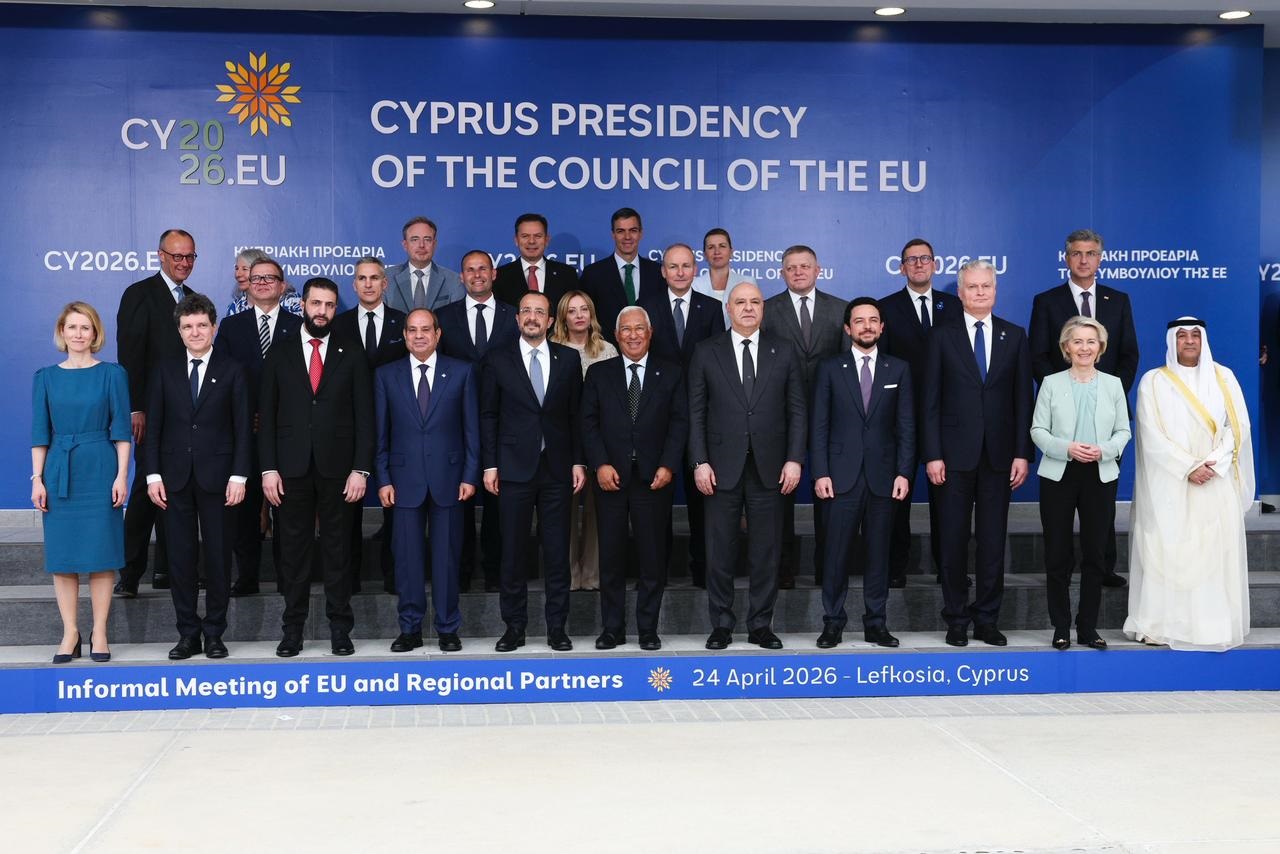
Cyprus concluded its presidency for the latter semester of the eighteen-month “trio-programme” of the Council of European Union on 30 June 2026. The term started on 1 January 2026. The presidency of the Mediterranean country was preceded in the institutional cycle by Denmark between July-December 2025 and Poland between January-June 2025. Ireland is set to wield the mandate between July-December 2026 as the next institutional cycle begins, with its opening ceremony in Dublin attended by the Taoiseach, Micheál Martin, Tánaiste Simon Harris, Minister Helen McEntee, Minister Seán Canney, and Minister Thomas Byrne, formally launching the new Presidency.
The Trio of Presidencies
The programme set out by the trio of Denmark, Poland and Cyprus as the cycle began in 2025 reflected the rapidly shifting geopolitical dynamics. There is a growing emphasis on a few key themes: forging sustainable partnerships and security, combating climate change, protecting key investments as digital technologies rapidly evolve, and safeguarding the principles of democracy and sovereignty.
The trio took over the Council’s presidency in the face of global tensions. The focus, therefore, was strengthening cooperation between the European Union (EU) and key strategic partners across the globe, including Gulf Cooperation Council (GCC), European Free Trade Association (EFTA), the African Union, the Community of Latin American and Caribbean States (CELAC), the Association of Southeast Asian Nations (ASEAN), and the North Atlantic Treaty Organisation (NATO). The attention is in line with the concerns raised by the trio in the programme for climate, economic and defence resilience, extension of humanitarian aid to conflict-hit regions, cybersecurity, and bolstering the autonomy and economy of the EU.
The efforts committed towards the Multiannual Financial Framework (MFF) 2028-2034, Single Market, and Capital Markets Union targeted supply-chain security and diversity, and fiscal policies that enable feasible green transitions for the member states to become key players in the creation of a bioeconomy. Safeguarding the strategic investments of the EU in defence infrastructure and emerging digital technologies was also made a priority, to be accomplished in a manner that ensured transparency, democracy, cybersecurity and online freedom. The Women, Peace and Security agenda was to be implemented effectively.
Objectives of the Cyprus Presidency
After taking over for the second time in January 2026, the Cyprus presidency of the Council reaffirmed its commitment towards an autonomous, integrated European Union as part of its broader commitment to European integration. A reduction in administrative burdens was proposed for integrating candidate countries into the EU, part of its enlargement plan, simultaneously ensuring the competitiveness of the member states and the Small and Medium-sized Enterprises (SMEs) therein.
Cyprus included the preservation of democratic principles within the EU in its agenda. The vision was to leverage a democratic EU’s outward-looking stance working closely with partners to ensure European and global stability.
The country stressed that it views multi-polarity and the EU’s economic autonomy as essential for effective external action and for comprehensive defence preparedness by 2030. Trade agreements and diplomatic endeavours with Asian, Gulf and Transatlantic partners would be in line with the UN Charter and international law, taxation would be simplified, and legislative action on Savings and Investments Union (SIU) would be undertaken.
Migration was also addressed, with the implementation of the “Pact on Migration and Asylum”. Equitable opportunity and social justice were also prioritised, particularly regarding the employment challenges posed by Artificial Intelligence (AI), to ensure a smooth economic transition for citizens.
The Presidency Results
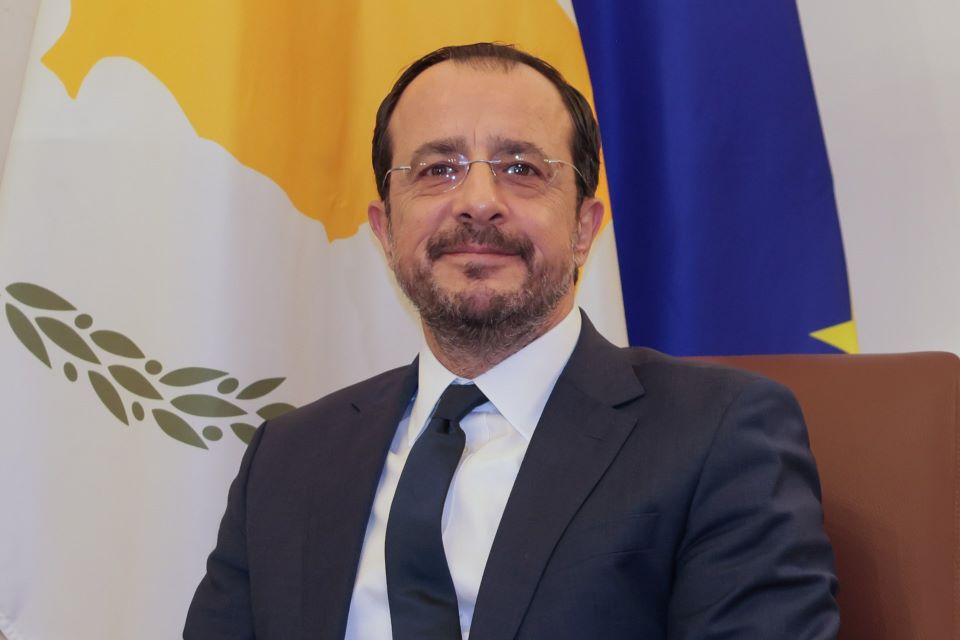
Cyprus, under its motto, “An Autonomous Union. Open to the World” reported results across all configurations of the Council. Mr Nikos Christodoulides, the President of the Republic, noted the successes of the presidency in brokering trade and legislative agreements, and driving policy initiatives. Three Joint Declarations were signed – the “One Europe, One Market” declaration on 24 April 2026, the “Lefkosia Declaration” on 29 April 2026, and “Europe for Culture, Culture for Europe” on 18 June 2026. Recommendations on the “New European Bauhaus” for sustainable urban development were adopted in May 2026. The adoption of the 2026 Framework Agreement sought to ensure greater transparency, accountability and information flow between the Council of the European Union, the European Commission, and the European Parliament for better institutional balance.
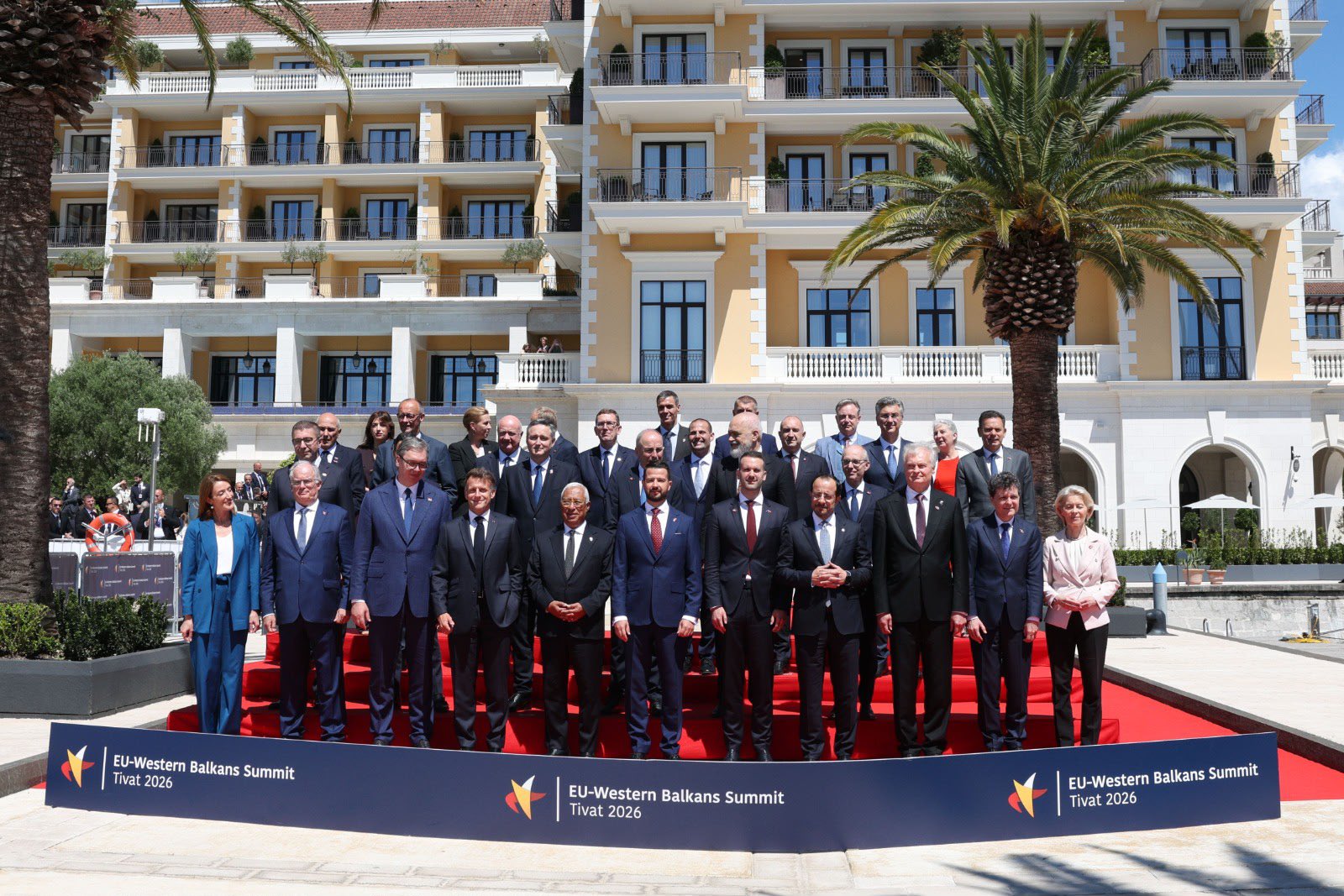
The highlights of these endeavours also included the advancement of the Single Market, passenger rights, and online safety for minors. The EU enlargement saw, in the words of President Christodoulides, “historic progress” with Ukraine, Moldova, Albania and Montenegro. Foundational work was accomplished on the Multiannual Financial Framework and the Pact for the Mediterranean, and initiatives for defence and energy security were negotiated.
Road Ahead
As the presidency of the Council of the European Union transfers to Ireland for the eighth time, the remarks given by the Irish leader Simon Harris foretell a renewed focus on Multiannual Financial Framework (MFF) for 2028–2034, and consistent work on the financial security and political autonomy of the European Union. The Policy Programme set out by Ireland seeks to strategically map out the European Union budget, enlarge the organisation by inducting new member states, work on strategic trade relations, and promote multilateralism, human rights and democracy. Ireland’s presidency between July-December 2026 marks the beginning of the next eighteen-month institutional cycle of the Council. The presidencies to follow in 2027, from January to June and July to December, will be shouldered by Lithuania and Greece respectively.