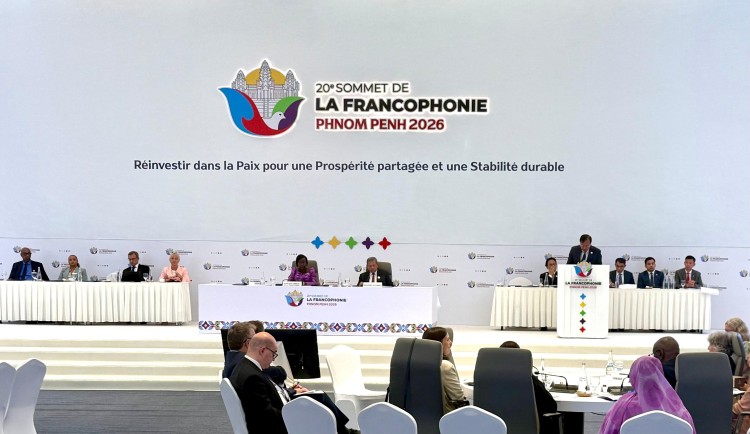
Egypt is seeking to broaden its international energy partnerships and strengthen economic cooperation with Francophone countries following its participation in the 20th Summit of Heads of State and Government of the International Organisation of La Francophonie (OIF), held in Phnom Penh, Cambodia, in November 2026. The summit has provided an opportunity for Egyptian officials to engage with representatives from several countries, explore new avenues for cooperation in the oil and natural gas industries, and reinforce existing diplomatic and economic relationships. Representing President Abdel Fattah El-Sisi, Egypt’s Minister of Petroleum and Mineral Resources, Karim Badawi, headed the Egyptian delegation at the summit. His participation reflected Cairo’s intention to use international diplomatic platforms to advance its economic interests, attract investment and establish stronger partnerships in strategic sectors, particularly energy and mining.
The 20th Francophonie Summit took place from 14 to 16 November 2026 under the theme, ‘Reinvest in Peace for Shared Prosperity and Lasting Stability’. Hosted by Cambodia for the first time, the gathering brought together heads of state, government representatives and senior officials from the organisation’s member countries. King Norodom Sihamoni formally inaugurated the summit, which was attended by French President Emmanuel Macron, Cambodian Prime Minister Hun Manet and OIF Secretary-General Louise Mushikiwabo. The meeting also marked Cambodia’s assumption of the organisation’s rotating presidency from France for a two-year period, extending until the next summit in 2028.
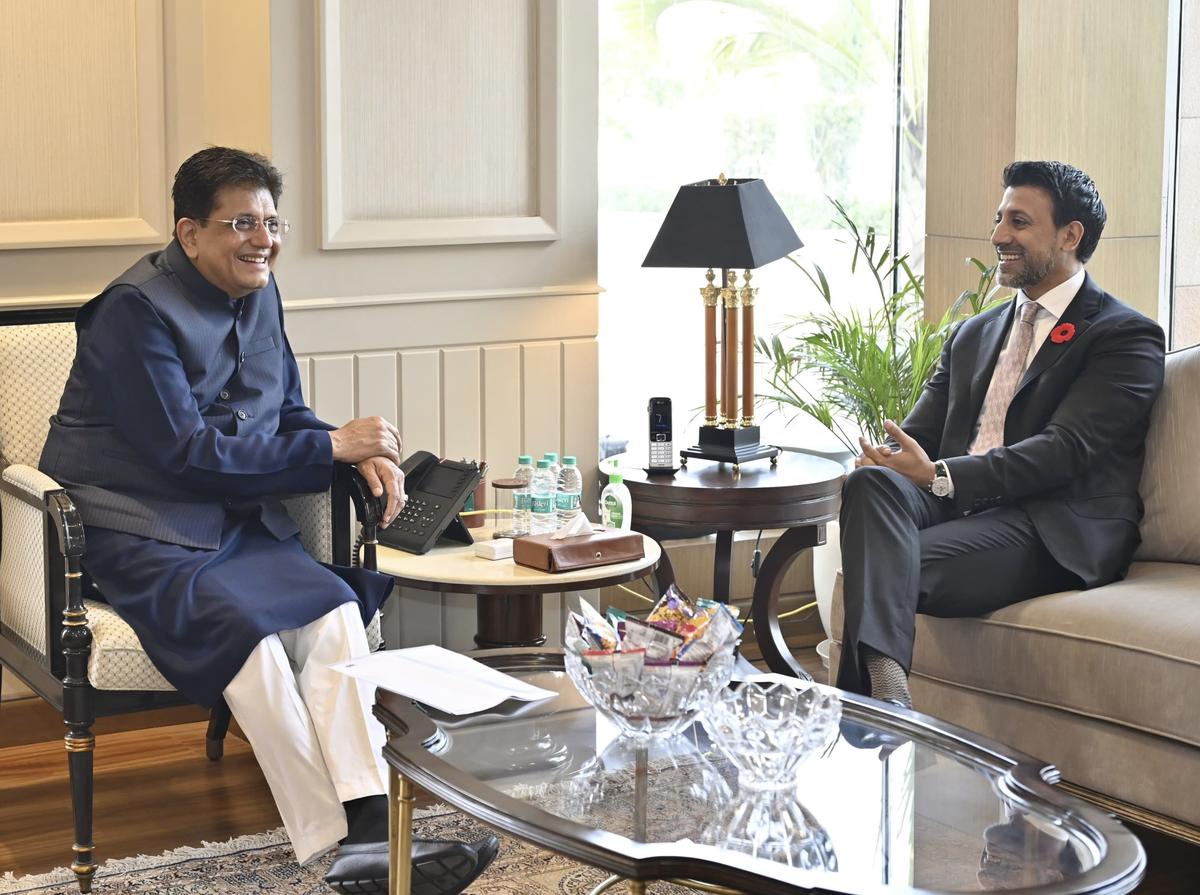
A significant part of Egypt’s engagement at the summit took place through bilateral meetings on its sidelines. These discussions focused on strengthening existing relationships and identifying practical opportunities for cooperation in the energy and natural resources sectors. During his meeting with Gabon’s Foreign Minister Marie-Edith Tassyla, Minister Badawi discussed prospects for expanding cooperation in petroleum, natural gas and mining. The discussions reflected the potential for stronger engagement between Egypt and Gabon, particularly in industries that are important to the economic development of both countries. Gabon is an established oil-producing country in Central Africa, making cooperation in the petroleum sector an important area of mutual interest. For Egypt, discussions with resource-rich African partners offer opportunities to exchange technical expertise, explore investment possibilities and develop stronger commercial relationships. However, the meeting was focused on exploring cooperation rather than announcing a specific investment agreement.
The Egyptian minister also met Guinea’s Minister of Foreign Affairs, International Cooperation, African Integration and Guineans Abroad, Morissanda Kouyaté. Their discussions centred on strengthening bilateral relations and expanding joint activities across areas of mutual interest. The meeting formed part of Egypt’s broader efforts to deepen its economic and diplomatic engagement with African countries. Another important discussion took place with Luxembourg’s Deputy Prime Minister and Minister of Foreign Affairs, Foreign Trade, Development Cooperation and Humanitarian Affairs, Xavier Bettel. Both sides examined opportunities to expand economic and investment relations, with particular attention to the energy, petroleum and natural gas industries.
The discussions with Luxembourg are significant given Egypt’s interest in attracting international investment and establishing partnerships that can support the development of its energy industry. While no new energy agreement was announced during the meeting, the exchange provided an opportunity to consider areas where closer economic engagement could be developed. Egypt’s discussions with France and Morocco also highlighted the importance of maintaining established diplomatic relationships while identifying further opportunities in strategic sectors. During his meeting with French President Emmanuel Macron, Minister Badawi conveyed President El-Sisi’s greetings and reaffirmed the longstanding partnership between the two countries. The discussions covered continued political coordination, bilateral cooperation and the use of Francophonie frameworks to encourage dialogue among member states. In a separate exchange with Fatima Ezzahra El Mansouri, Morocco’s senior government representative, the Egyptian minister discussed the historic relationship between Cairo and Rabat and the importance of expanding cooperation, particularly in energy, petroleum and natural gas.
Beyond the bilateral meetings, Egypt’s participation in the summit reflected its interest in making greater use of the OIF as a platform for international cooperation. Although Egypt is not a French-speaking country in the traditional sense, its membership in the organisation provides an additional channel for engagement with countries across Africa, Europe and other regions. Minister Badawi also met OIF Secretary-General Louise Mushikiwabo to discuss cooperation between Egypt and the organisation, including Cairo’s contribution to joint initiatives. He subsequently met Khaled El-Enany, Director-General of the United Nations Educational, Scientific and Cultural Organization (UNESCO), on the sidelines of the gathering. Egypt’s participation in the summit also extended to the organisation’s wider political and development agenda. The Egyptian delegation was expected to contribute to thematic plenary discussions and closed sessions, presenting the country’s perspectives on peace, stability, sustainable development and international cooperation. These engagements demonstrate how Egypt is seeking to connect its diplomatic priorities with its economic ambitions. The energy sector remains particularly important in this regard, given the opportunities for cooperation with African producers, European investors and international partners.
Egypt’s interest in expanding energy partnerships comes against the backdrop of its efforts to strengthen its position as a regional energy hub. The country has invested in developing its natural gas infrastructure, expanding petroleum-related activities and improving its capacity to support energy trade and cooperation with neighbouring markets. Its geographical position, established energy infrastructure and connections with African, Arab and European markets provide a foundation for developing further international partnerships. Cooperation with countries such as Gabon and Guinea could also help create opportunities for knowledge exchange and collaboration in the exploration and development of natural resources. For Egypt, these relationships are not limited to energy production. They also offer scope for cooperation in technical services, mining, investment and the development of skilled professionals. Building partnerships across these areas could support broader economic objectives while strengthening the country’s engagement with African economies. The discussions in Phnom Penh should therefore be viewed as part of a wider diplomatic and economic effort rather than as the announcement of individual energy projects. No specific contracts, investment figures or new production agreements were announced in the reported meetings.
The 20th Francophonie Summit has provided Egypt with an additional platform to strengthen its international relationships and explore opportunities for economic cooperation. Minister Badawi’s meetings with representatives from Gabon, Guinea, Luxembourg, France and Morocco demonstrated the range of partnerships Cairo is seeking to develop. As Cambodia assumes the OIF’s rotating presidency for the next two years, the organisation will continue to provide a forum for dialogue on shared economic, political and development priorities. For Egypt, making effective use of these diplomatic channels could help advance its interests in energy, investment and natural resource development.