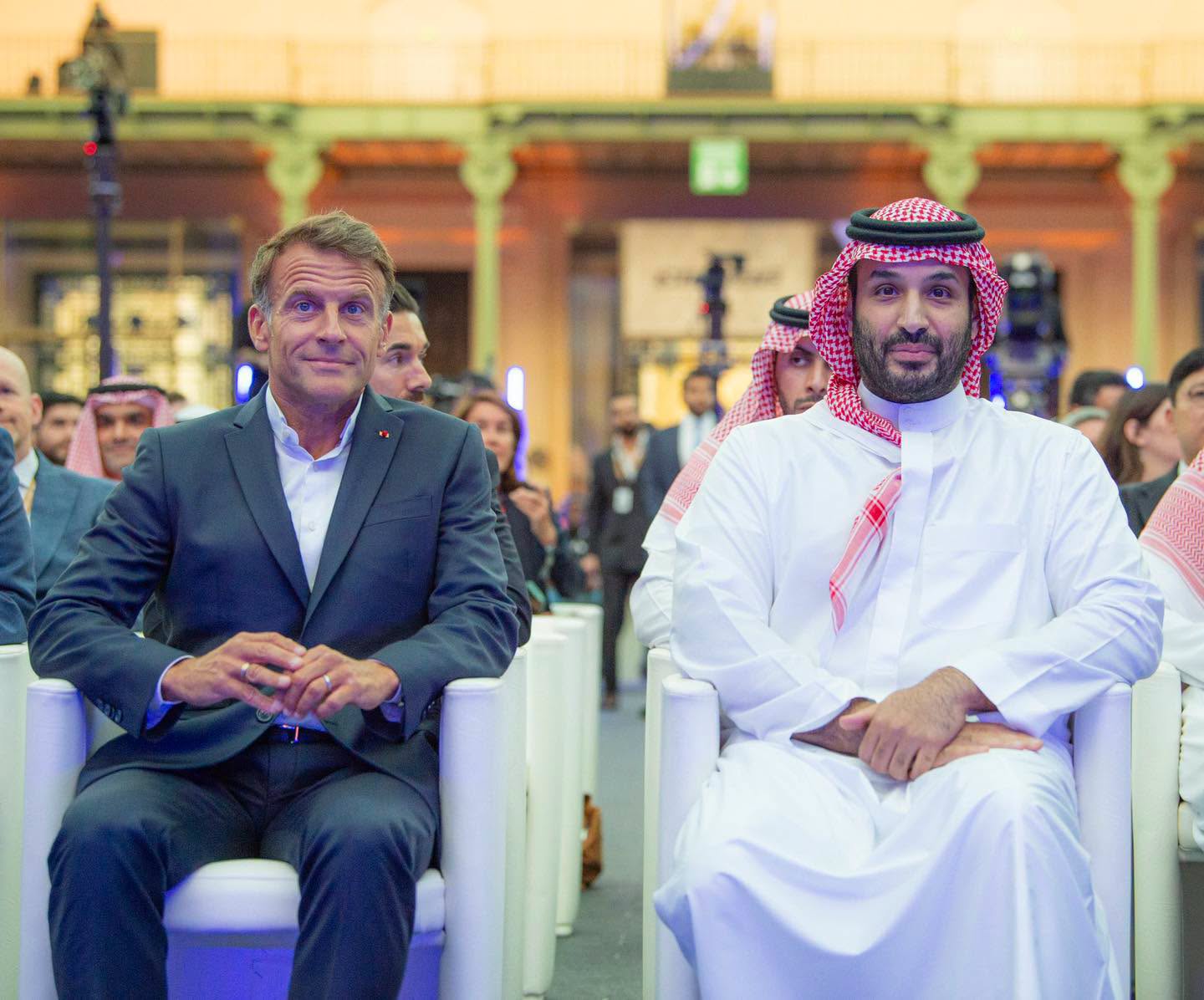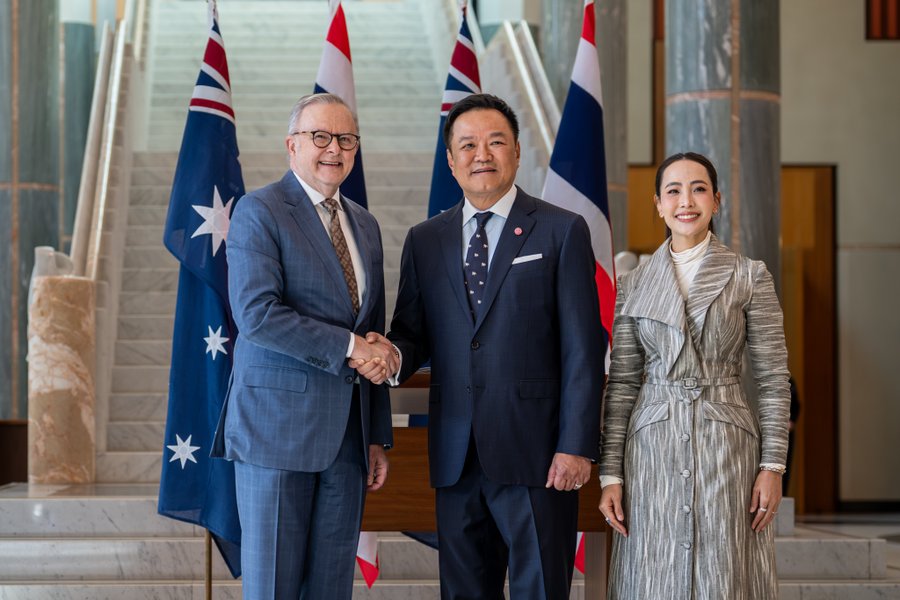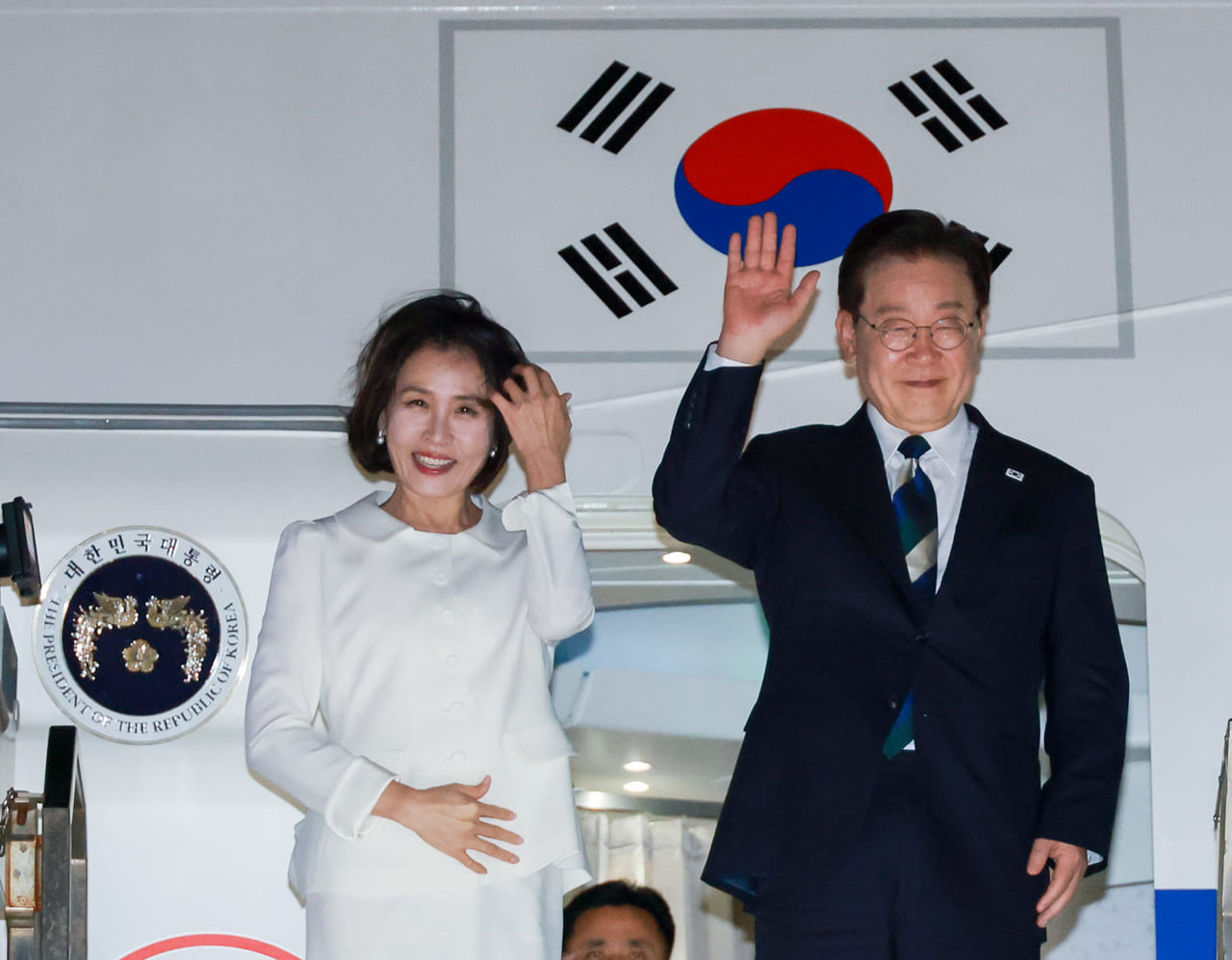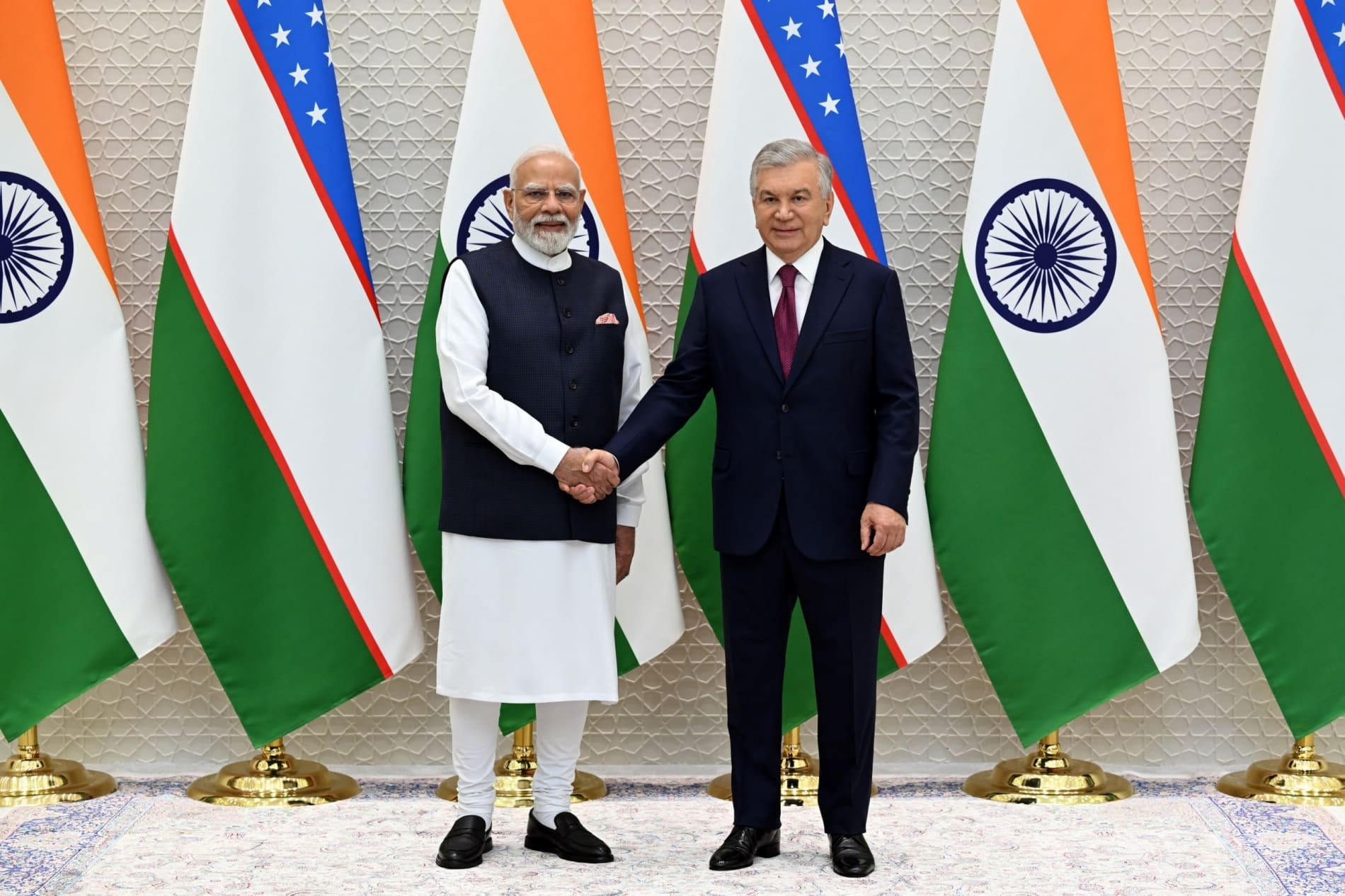
The two-day Shanghai Cooperation Organisation (SCO) Summit in Bishkek has concluded with member states adopting the Bishkek Declaration and signing a series of agreements covering security, trade, transport, logistics and cooperation against emerging threats. The summit, which marked the 25th anniversary of the SCO, brought together the leaders of China, Russia, India, Iran, Pakistan, Kazakhstan, Kyrgyzstan, Tajikistan, Uzbekistan and Belarus.
PM Narendra Modi was among the key leaders at the summit and held a series of bilateral meetings on its sidelines, including talks with Russian President Vladimir Putin, Iranian President Masoud Pezeshkian, Armenian Prime Minister Nikol Pashinyan and Kyrgyz President Sadyr Japarov.
The summit took place against the backdrop of the Russia-Ukraine war and the continuing conflict involving Iran, with security, energy, trade and regional connectivity emerging as major issues.
Bishkek Declaration adopted
The biggest outcome of the summit was the adoption of the Bishkek Declaration, which sets out the SCO members’ position on international security, economic cooperation and the organisation’s future direction. The declaration calls for greater cooperation among member states and backs efforts towards a more multipolar international system. The SCO countries also opposed the use of unilateral coercive economic measures, a position that comes as several member states face Western sanctions. At the same time, the declaration makes clear that the SCO is not a military or political alliance directed against any third country.
Security was another major part of the document. The member states called for stronger cooperation against terrorism, extremism, organised crime and drug trafficking, while opposing the use of terrorist and extremist groups for geopolitical purposes. The declaration also highlighted the need to prevent an arms race in outer space.
Alongside the Bishkek Declaration, SCO member states signed 27 additional agreements and strategic documents at the summit. Among the key decisions was the establishment of a Universal Center for Countering Challenges and Threats to the Security of SCO Member States. The leaders also approved a 2026–2030 action plan for the development of ports and logistics centres across the SCO region. The plan is aimed at improving connectivity and supporting trade between member countries.
The agreements also covered cooperation against drug trafficking and organised crime, as well as other areas of economic and security cooperation. The package of documents is intended to move the SCO’s cooperation beyond political declarations, particularly in areas such as transport infrastructure, logistics and regional security.
PM Modi meets Mr. Putin
One of PM Modi’s most closely watched meetings in Bishkek was with Russian President Vladimir Putin. During their bilateral meeting on the sidelines of the SCO Summit, PM Modi discussed India-Russia relations as well as major international developments.
The Russia-Ukraine war was a key issue. PM Modi told Mr. Putin that the world needs to move from an era of “endless war” towards an end to the conflict, stressing the human cost of continued fighting and India’s support for efforts aimed at achieving peace. Mr. Putin, in turn, briefed PM Modi on the situation surrounding the Ukraine conflict.
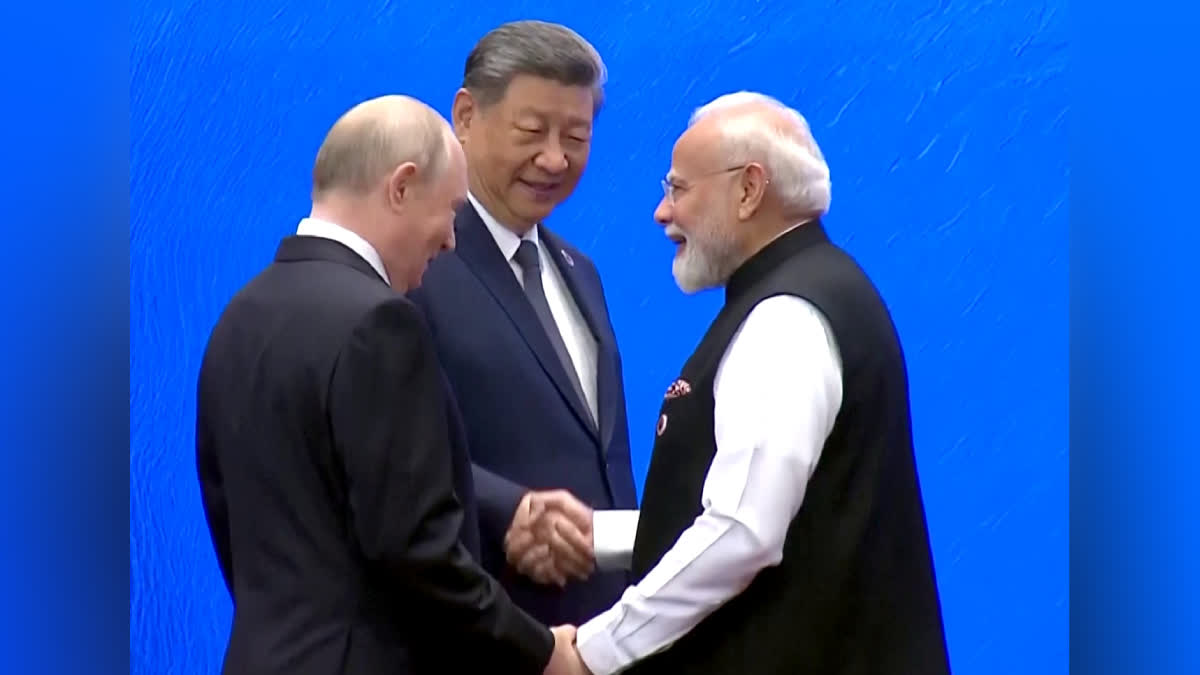
The two leaders also discussed the broader India-Russia relationship, including trade, energy, investment and defence cooperation. PM Modi highlighted the continued growth of economic ties between the two countries. PM Modi also invited Mr. Putin to attend the upcoming BRICS Summit in New Delhi. The two leaders were also seen travelling together during the summit, adding a highly visible moment to their bilateral engagement.
PM Modi meets Iran’s Mr. Pezeshkian
PM Modi also held a bilateral meeting with Iranian President Masoud Pezeshkian. The talks focused on strengthening India-Iran relations, including cooperation in defence, trade, economy, pharmaceuticals, science and technology.
The current situation in West Asia was also an important part of the discussion. With the conflict involving Iran continuing to affect energy supplies and shipping, the security of Strait of Hormuz was of particular concern. PM Modi reiterated India’s position that disputes should be resolved through dialogue and diplomacy and stressed the importance of the safety of Indian citizens and the security of vital trade and energy routes.
PM Modi meets Armenia’s Mr. Pashinyan
PM Modi also met Armenian Prime Minister Nikol Pashinyan on the sidelines of the summit. The two leaders discussed ways to expand bilateral cooperation, with defence cooperation among the key areas of discussion. They also looked at opportunities to deepen cooperation in areas including the economy, science and technology. The meeting was part of PM Modi’s wider diplomatic engagements during his visit to Bishkek.
PM Modi meets Kyrgyzstan’s Mr. Japarov
PM Modi also held talks with Kyrgyz President Sadyr Japarov. The discussions covered India-Kyrgyzstan relations and cooperation in areas of mutual interest. The meeting was part of PM Modi’s engagements with Central Asian leaders during the summit. Kyrgyzstan hosted the summit as the SCO’s chair for the year.
PM Modi and Mr. Xi interact at the summit
PM Modi and Chinese President Xi Jinping also interacted during the summit. The two leaders were seen together at the SCO gathering, although their interaction was not presented as a formal bilateral meeting of the kind PM Modi held with Mr. Putin and Mr. Pezeshkian. The two had last held a formal bilateral interaction on the sidelines of the 2025 SCO Summit in Tianjin.
What the SCO leaders agreed on
The summit’s final documents put the emphasis on three broad areas: security, economic cooperation and connectivity.
-On security, the members agreed to strengthen cooperation against terrorism, extremism, organised crime and drug trafficking.
-On the economic side, the Bishkek Declaration backs efforts to reform the international financial system and reduce the impact of unilateral sanctions and other coercive economic measures.
-On connectivity, the new 2026–2030 action plan for ports and logistics centres is intended to improve transport links and facilitate trade between SCO countries.
-The leaders also reaffirmed their opposition to the militarisation of outer space and called for work towards a legally binding international agreement to prevent an arms race in space.
A summit dominated by wars and economic uncertainty
Although trade and connectivity were important parts of the discussions, the geopolitical situation surrounding the summit was impossible to ignore. The Russia-Ukraine war, the conflict involving Iran and concerns over energy and shipping routes provided the backdrop to the two-day meeting. For India, PM Modi’s bilateral meetings provided an opportunity to address these issues directly with key partners while also discussing India’s economic and strategic interests.
The Bishkek summit ended with the SCO presenting itself as a platform for cooperation on security, trade and connectivity,while the individual meetings on the sidelines allowed PM Modi to focus on India’s bilateral relationships with Russia, Iran, Armenia and Kyrgyzstan. The signing of the Bishkek Declaration and 27 additional documents now leaves the member states with the task of putting those commitments into practice.