The United States and Iran have reached a formal agreement to end their armed conflict, with a signing ceremony scheduled for 19 June 2026 in Switzerland. The agreement, structured as a Memorandum of Understanding (MoU), provides for the immediate and permanent cessation of military operations, the reopening of the Strait of Hormuz to international shipping, and a 60-day framework for negotiations on a comprehensive settlement.
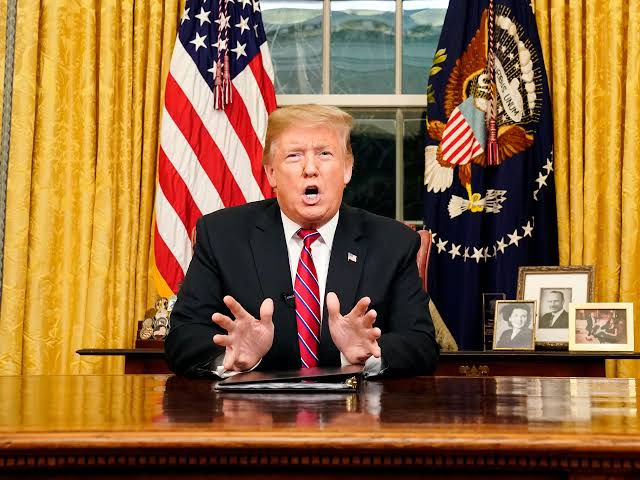
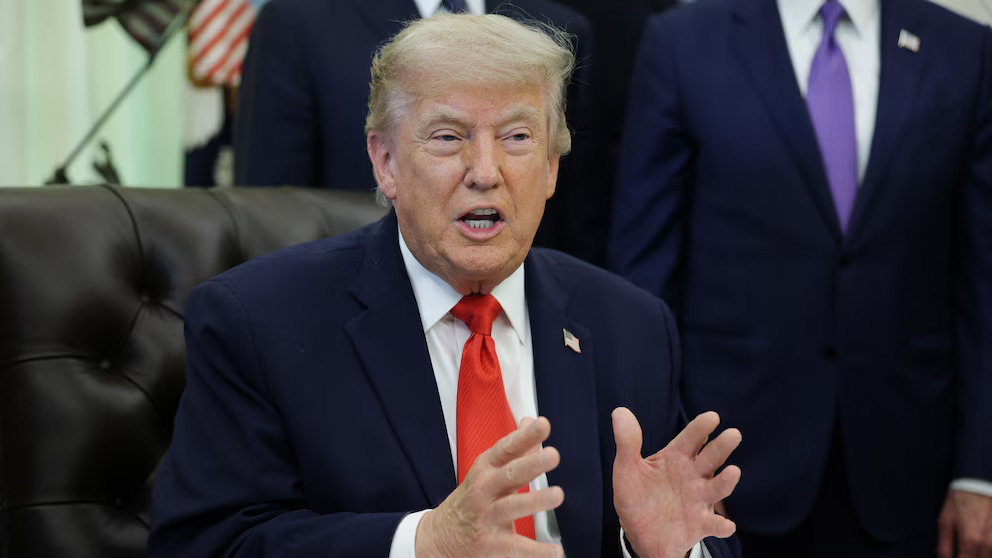
US President Donald Trump confirmed the development on Truth Social, writing: “The Deal with the Islamic Republic of Iran is now complete. Congratulations to all! I hereby fully authorise the toll-free opening of the Strait of Hormuz, and, simultaneously herewith, authorise the immediate removal of the United States Naval blockade.”
Iran’s Deputy Foreign Minister, Kazem Gharibabadi, confirmed the agreement on state television, though Iran indicated it would not begin implementing the terms until the formal signing takes place on Friday.
Background
Diplomatic efforts between Washington and Tehran have been ongoing since April 2025, when the two sides began indirect negotiations mediated by Oman and Italy. Those talks eventually stalled. A second and third round of negotiations were held through early 2026, including direct talks in Geneva in February 2026, before a two-week ceasefire was announced in April 2026.
At the time of the April ceasefire, global oil prices fell sharply and stock markets rose, with benchmark Brent crude dropping by approximately 15.9 per cent. It was an early signal of how markets had been awaiting a diplomatic resolution.
In the weeks that followed, Qatar assumed a central role in facilitating the final stages of talks, with Qatari mediators shuttling between Washington and Tehran to close the remaining gaps on the MoU text.
Qatar’s Role
Qatar’s Prime Minister, Mohammed bin Abdulrahman bin Jassim Al Thani, emerged throughout the period as a key mediator and diplomat, expressing his hope that all parties would engage “in a positive and constructive spirit that will help consolidate this progress and build upon it.”
Qatar’s Ministry of Foreign Affairs issued a formal statement welcoming the MoU, describing it as “an important step towards consolidating sustainable peace and promoting economic growth regionally and internationally.” The ministry noted that the agreement includes measures to ensure freedom of navigation in the Strait of Hormuz.
According to diplomatic sources, the tentative agreement was reached after extended negotiations in which Qatari mediator Ali Al-Thawadi held multiple telephone conversations with US envoys Steve Witkoff and Jared Kushner during talks with Iranian Foreign Minister Abbas Araghchi in Tehran.
Terms of the Agreement
The agreement includes a provision under which Iran reaffirms its commitment to abstain from producing nuclear weapons. The Strait of Hormuz, which had been largely closed to international shipping since the start of hostilities, is to reopen immediately upon signing. Under the MoU, Iran would receive temporary sanctions waivers allowing it to sell oil for 60 days, with further relief contingent on compliance and good faith in subsequent negotiations.
The 60-day period following the signing is expected to cover more substantive issues, including Iran’s enriched uranium stockpile, the long-term sanctions framework, and arrangements for permanent freedom of navigation through the Strait of Hormuz.
International Response
UN Secretary-General António Guterres congratulated both parties, calling the agreement “a critical step towards the peaceful settlement of the conflict,” and expressed appreciation for the role played by Qatar and other nations in supporting the talks.
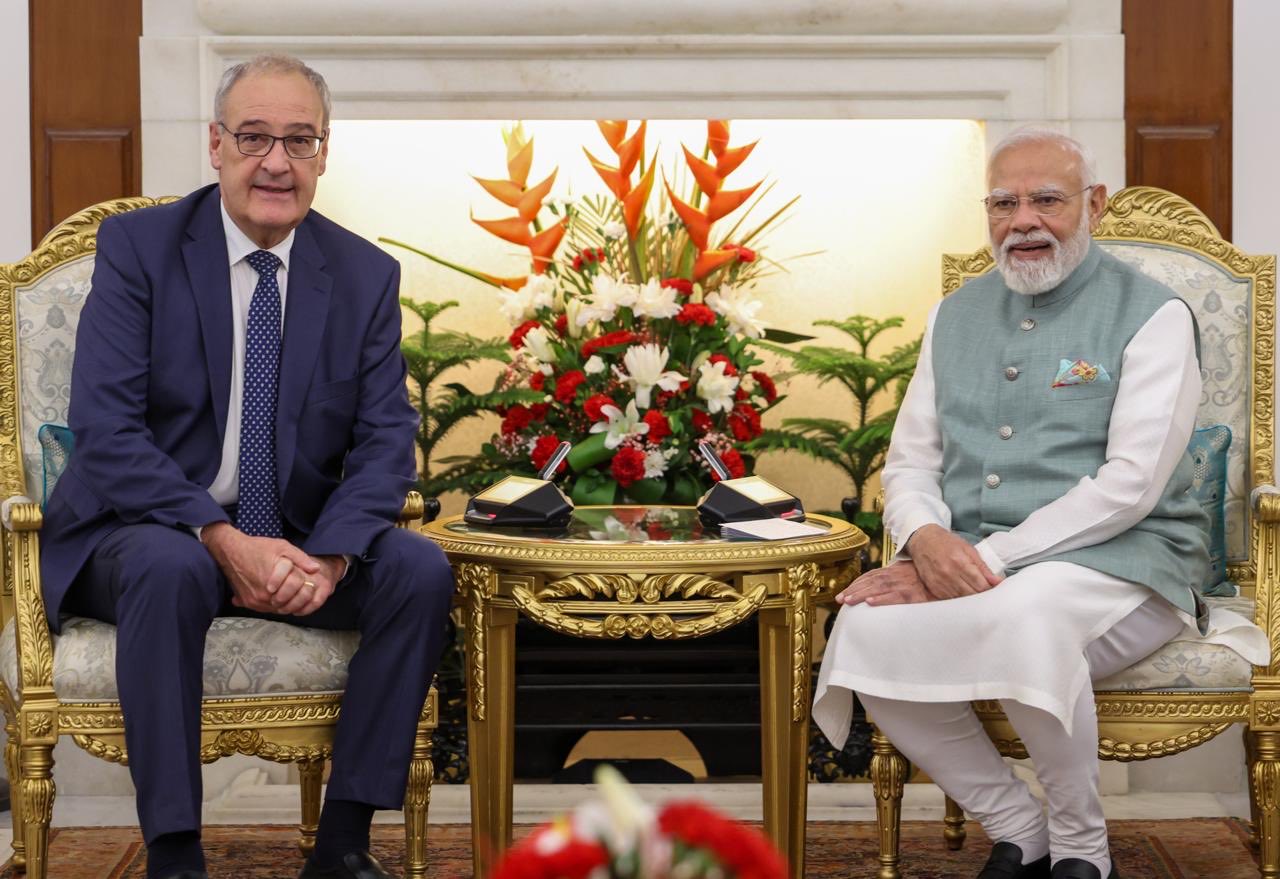
Prime Minister Narendra Modi, posting on his official X account, welcomed the agreement, stating: “I welcome the understanding reached between the United States and Iran on ending the conflict in West Asia, which has caused serious economic disruption across the world and led to loss of life in many countries. India hopes that the implementation of this understanding will help restore peace and stability in the region and ensure the freedom of navigation and commerce. We look forward to deliberations on the remaining issues reaching a sustainable final agreement.”
European nations including the United Kingdom, Germany, France, and Italy signalled readiness to work on sanctions relief for Iran. British Prime Minister Keir Starmer stated that attention must now turn to fully implementing the MoU to ensure the Strait reopens and remains fully and permanently open. While, French President Emmanuel Macron welcomed the progress, noting on X that the resumption of maritime traffic, without restrictions or tolls, is an essential condition for regional stability and the global economy.