Brazil and India maintain a broad and evolving partnership, with growing emphasis on collaboration in defence and security as part of their wider strategic engagement. Since then, defence and security have emerged as central pillars within this partnership. As both countries pursue the modernisation of their armed forces and seek to strengthen their domestic defence industries, bilateral defence cooperation has gained greater institutional depth, higher-level political and military engagement, and tangible industrial momentum.
Institutional Framework
The foundation of defence cooperation between Brazil and India rests on a bilateral Defence Cooperation Agreement signed in 2003 and ratified in 2006, which established the Joint Defence Committee (JDC) as the principal institutional mechanism for structured dialogue. The JDC has met eight times, with its last session held in BrasÃlia in July 2025.
In March 2024, a new mechanism was inaugurated: the 2+2 Political-Military Dialogue, which brought together senior officials from the foreign and defence establishments of both countries for its first meeting in New Delhi. On the same occasion, the India–Brazil Focus Group on Defence Industrial Cooperation held its inaugural meeting. These mechanisms complement the broader bilateral architecture, which includes Joint Commission Meetings at the level of Foreign Ministers, Strategic Dialogues between National Security Advisors, and Foreign Office Consultations.
The 2020 Action Plan to Strengthen the Strategic Partnership formally committed both sides to intensifying engagements between their armed forces and officials, and exploring new avenues for cooperation and exchange. It also emphasised closer collaboration between the respective defence industrial bases, including through the consolidation of the Joint Working Group on Defence Industrial Cooperation established under the JDC.
High-level Engagement and Military Exchanges
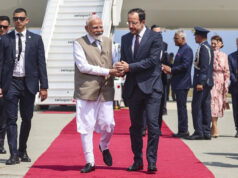
Political engagement at the highest levels has provided consistent momentum to defence ties. President Luiz Inácio Lula da Silva and Prime Minister (PM) Narendra Modi have met on multiple occasions since 2023, including on the margins of G20 and BRICS Summits. During PM Modi’s bilateral State Visit to BrasÃlia in July 2025, the two leaders charted a decade-long roadmap focused on five priority pillars, in which defence and security featured prominently.
At the G20 Summit in September 2023, held in New Delhi, the leaders welcomed the expansion of defence cooperation, including participation in military exercises, exchanges of high-level defence delegations, and substantive industry presence in each other’s defence expositions. They also encouraged the defence industries on both sides to explore new avenues for collaboration, including joint developments and co-production of advanced defence technologies, as well as efforts to enhance supply chain resilience.
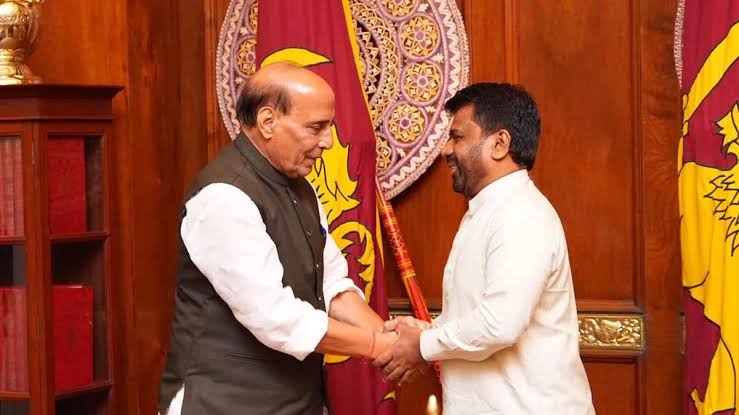
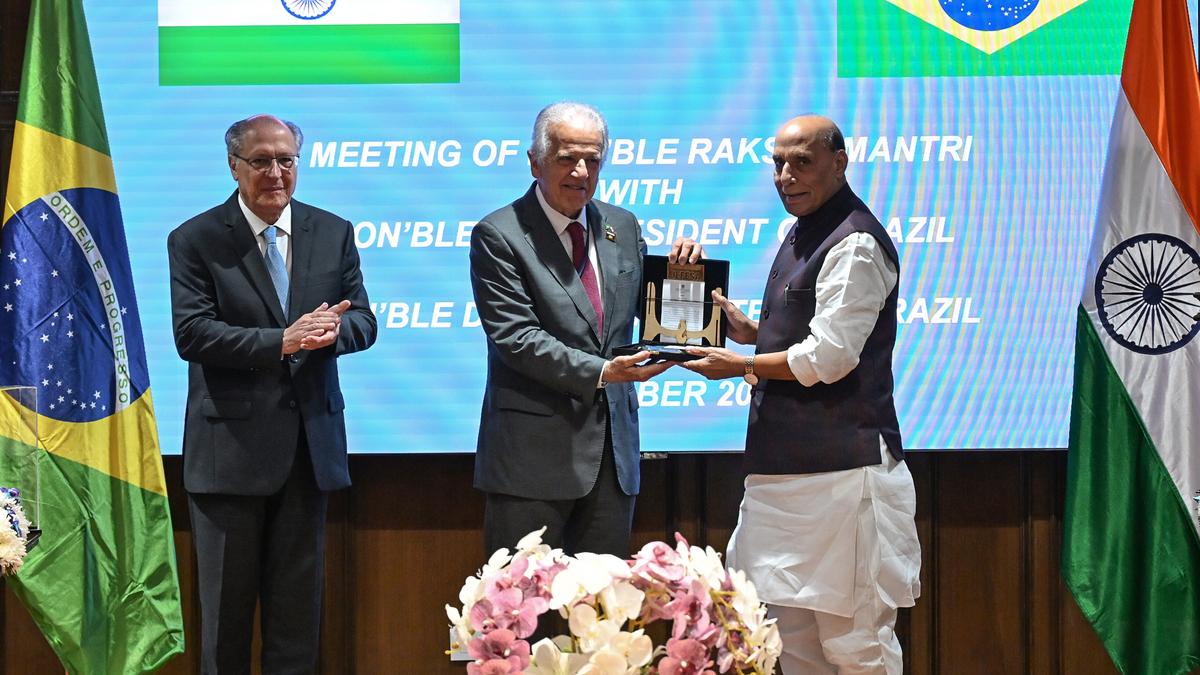
In October 2025, Vice President of Brazil Mr. Geraldo Alckmin held a meeting with India’s Defence Minister, Shri Rajnath Singh in New Delhi. The Defence Minister of Brazil, Mr. José Múcio Monteiro Filho, was also present during the meeting. The leaders identified priority areas for joint work, including exploring opportunities for co-development and co-production of defence equipment.
President Lula’s State Visit to India in February 2026 marked a significant new chapter in the defence and strategic relationship. Among the notable developments was the progress in discussions between both countries regarding the establishment of a Final Assembly Line (FAL) in India for the E175 regional jet. The partnership covers aircraft manufacturing, supply chain, aftermarket services, and pilot training. Military exchanges have been substantial. Senior military leadership from both sides has engaged in reciprocal visits in recent years. Since 2007, a total of 134 defence officers—70 from India and 64 from Brazil—have undergone short- to long-term courses in each other’s training institutions, alongside participating in joint exercises, sailing regattas, and other exchanges. From India, Admiral Dinesh Tripathi, Chief of Naval Staff, visited Brazil in December 2025. Additionally, regular visits by delegations from India’s National Defence College, College of Defence Management, and Army War College have taken place. Conversely, delegations from Brazilian Defence Colleges have also visited India.
Naval Cooperation
Naval cooperation has emerged as the most concrete expression of the bilateral defence relationship. Both India and Brazil operate Scorpène-class diesel-electric submarines, providing a natural basis for technical collaboration. An MoU on the maintenance of Scorpène-class submarines and other military ships was signed between the Brazilian Navy, the Indian Navy, and Mazagaon Dock ShipBuilders Limited (MDL) in December 2025. The tripartite MoU establishes a comprehensive framework for the exchange of technical information, maintenance philosophies, industrial practices, spare parts support, and personnel training, aimed at enhancing operational availability and lifecycle support for Scorpène-class platforms in service with both countries.
Key Agreements and MoUs
• Agreement between India and Brazil on Cooperation in Defence Related Matters (1 December 2003 (ratified in 2006).
• MoU between India and Brazil in the Area of Civil Defence and Humanitarian Assistance (16 April 2008).
• MoU between Society of Indian Defence Manufacturers (SIDM) and Brazilian Association of Defence and Security Materials Industries (ABIMDE) on a Framework for Cooperation (24 April 2020).
• Agreement between India and Brazil on the Exchange and Mutual Protection of Classified Information (8 July 2025).
• MoU between the Brazilian Navy, the Indian Navy, and Mazagon Dock Shipbuilders Limited
(MDL) on the Exchange of Information related to the maintenance of Scorpène-class submarines and Other Military Ships (9 December 2025).
Conclusion
Brazil–India defence cooperation has evolved from a primary framework-based agreement into an active operational partnership. Institutional mechanisms are functioning, military exchanges are regular, and industrial cooperation is generating tangible outcomes. Brazil’s partnership with India serves the dual purpose of diversifying its defence sourcing and establishing itself as a meaningful participant in India’s expanding defence industrial ecosystem.