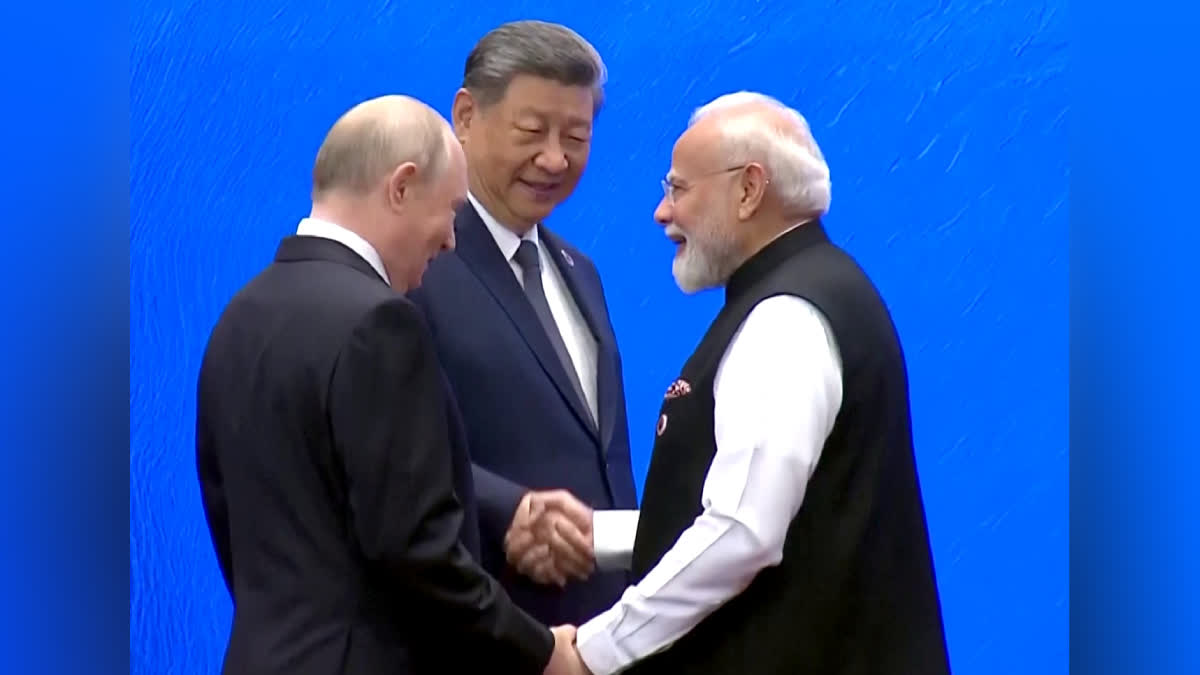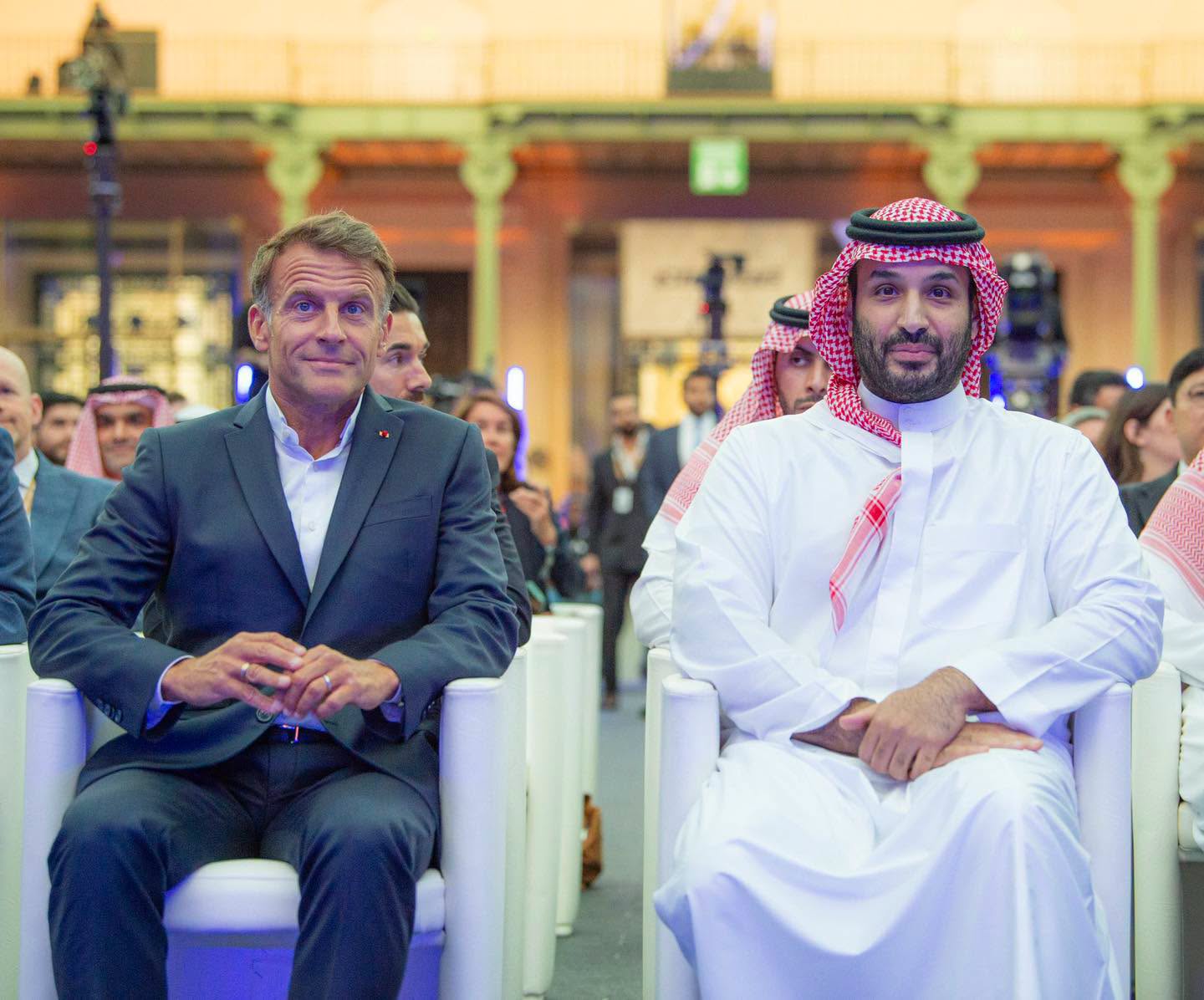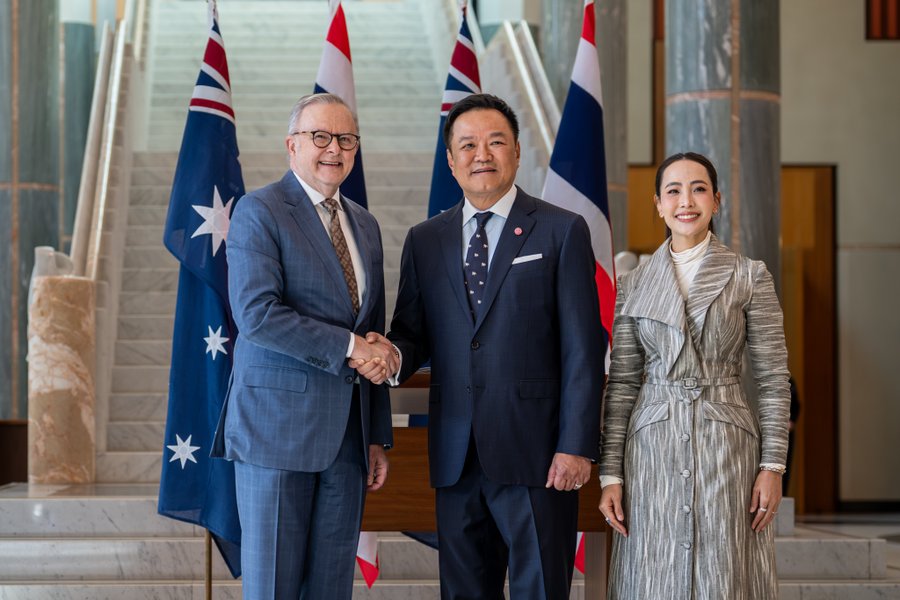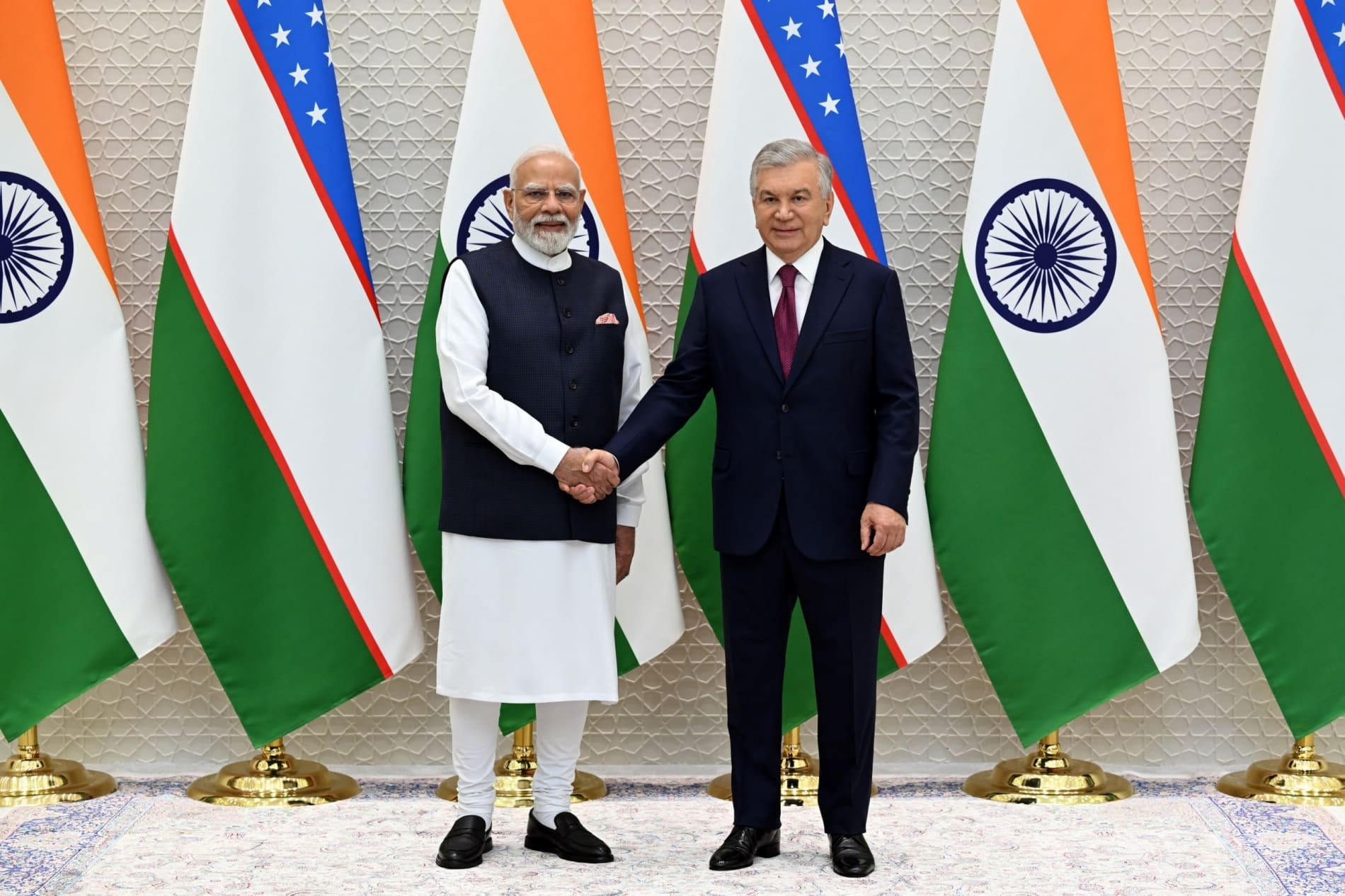
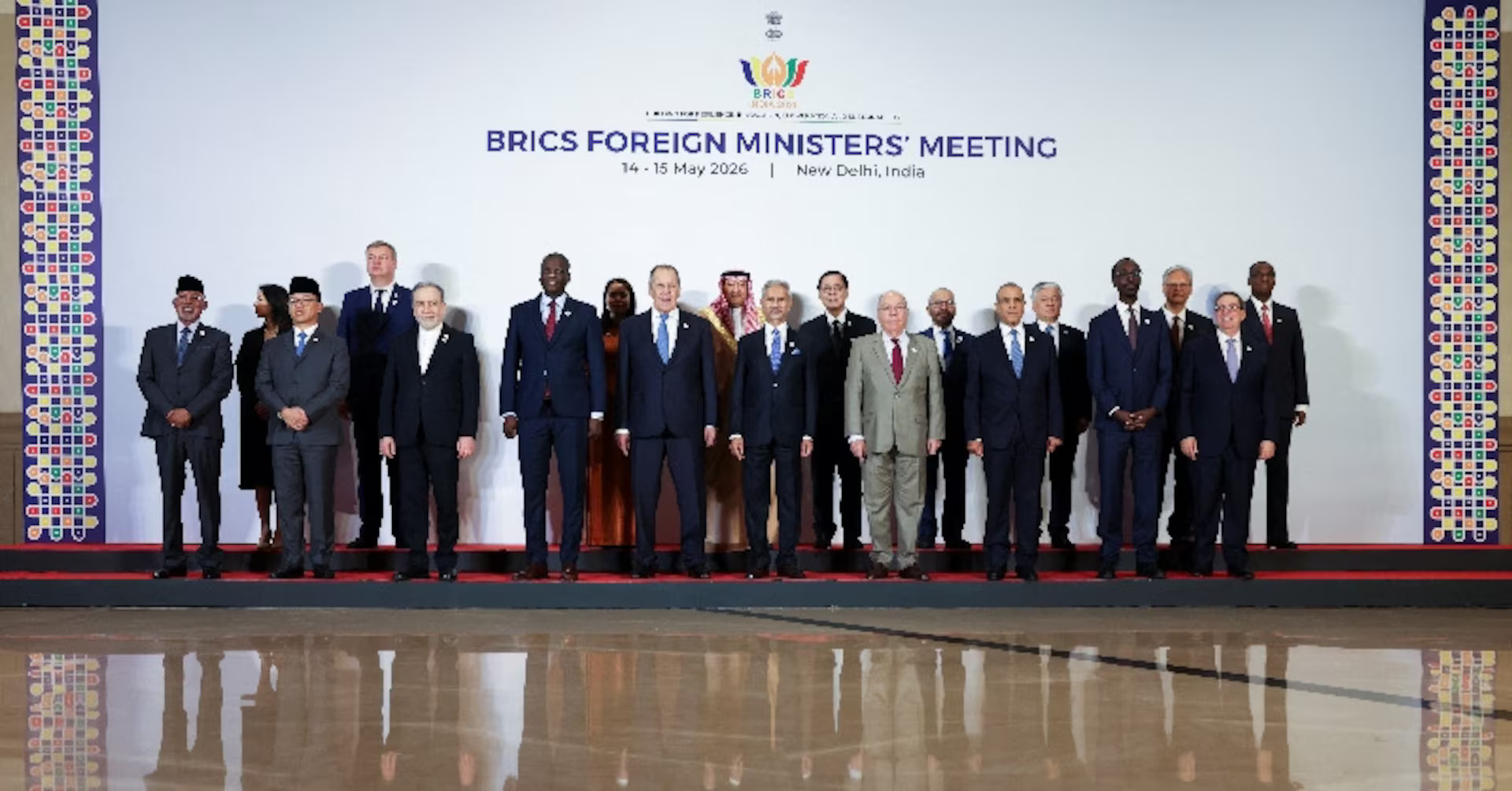
India hosted the BRICS Foreign Ministers’ Meeting (FMM) on 14 and 15 May 2026 in New Delhi under India’s chairmanship of BRICS. The meeting, held under the theme “Building for Resilience, Innovation, Cooperation and Sustainability”, brought together foreign ministers and heads of delegation from BRICS member states and partner countries. It was the primary ministerial-level gathering ahead of the BRICS Summit later in the year.
External Affairs Minister Dr S. Jaishankar chaired and opened the meeting on 14 May. In his welcome remarks, he noted that the meeting was taking place at a time of considerable global uncertainty, with serious consequences for emerging markets and developing nations. He underlined the need for more effective responses to challenges across energy, food, fertiliser, and health security; safe and unimpeded maritime flows through international waterways; reliable supply chains and diversified markets; addressing climate change based on equity and common but differentiated responsibilities; and stronger cooperation against terrorism. He expressed confidence that the discussions would contribute to a more stable, equitable, and inclusive international order.
Prime Minister Narendra Modi met with the visiting foreign ministers and heads of delegation. He also received Russian Foreign Minister Sergei Lavrov separately, reiterating India’s support for the peaceful resolution of conflicts and receiving updates on the progress of various facets of the Indo-Russian Special & Privileged Strategic Partnership.
Session on Global Governance Reform
Dr Jaishankar chaired a dedicated FMM session on “Reforms of Global Governance and the Multilateral System”. He underlined the need for credible and reformed multilateralism in a world that is more interconnected, complex, and multipolar. He made several specific points. On the United Nations, he stressed the centrality of UN Security Council reform, including the expansion of both permanent and non-permanent categories. He also called for urgency in advancing text-based negotiations on UN reform. On international finance, he raised the need to reform the international financial architecture so that multilateral development banks become more responsive, robust, and better equipped and to improve accessibility to development and climate finance. On trade, he emphasised the importance of a rules-based, fair, open, and inclusive international trading system with the WTO at its core, one that responds to the challenges of non-market practices, concentration of supply chains, and uncertain market access. He closed the session with a direct summary: “The message from our times is clear — cooperation is essential. Dialogue is necessary. Reform is overdue.”
BRICS@20 Session
At the session marking 20 years of BRICS, attended by both members and partner countries, Dr Jaishankar set out the key strengths and future direction of the grouping. He pointed to the New Development Bank and the Contingent Reserve Arrangement as demonstrations of BRICS’ ability to create credible alternatives within the international financial system.
He then outlined what India’s BRICS chairmanship was working to deliver across the four pillars of the theme. On Resilience, the focus included strengthening supply chains, diversifying markets, improving early warning systems, building climate-resilient infrastructure, and advancing digital integration for social welfare. On innovation, he highlighted the BRICS Incubator Network, the Science and Research Repository, and the Youth Startup Platform. On cooperation, he pointed to the BRICS MSME Connect Portal, the Trade Receivables Discounting System, and new partnerships in agriculture and health. On sustainability, he underlined a continued focus on climate action, clean energy, and sustainable growth pathways. He expressed confidence that these efforts would strengthen BRICS in line with the principles of international understanding, solidarity, openness, inclusiveness, full consultation, and consensus.
Bilateral Meetings on the Sidelines
On the margins of the FMM, Dr Jaishankar held bilateral meetings with foreign ministers from Russia, Brazil, South Africa, Indonesia, Iran, Cuba (where an MoU on regular foreign ministry consultations was also exchanged), Malaysia, Egypt, Ethiopia, Uganda, Thailand, Chile, and the Maldives. The meetings covered bilateral partnerships, regional issues, and multilateral cooperation relevant to each country’s relationship with India.