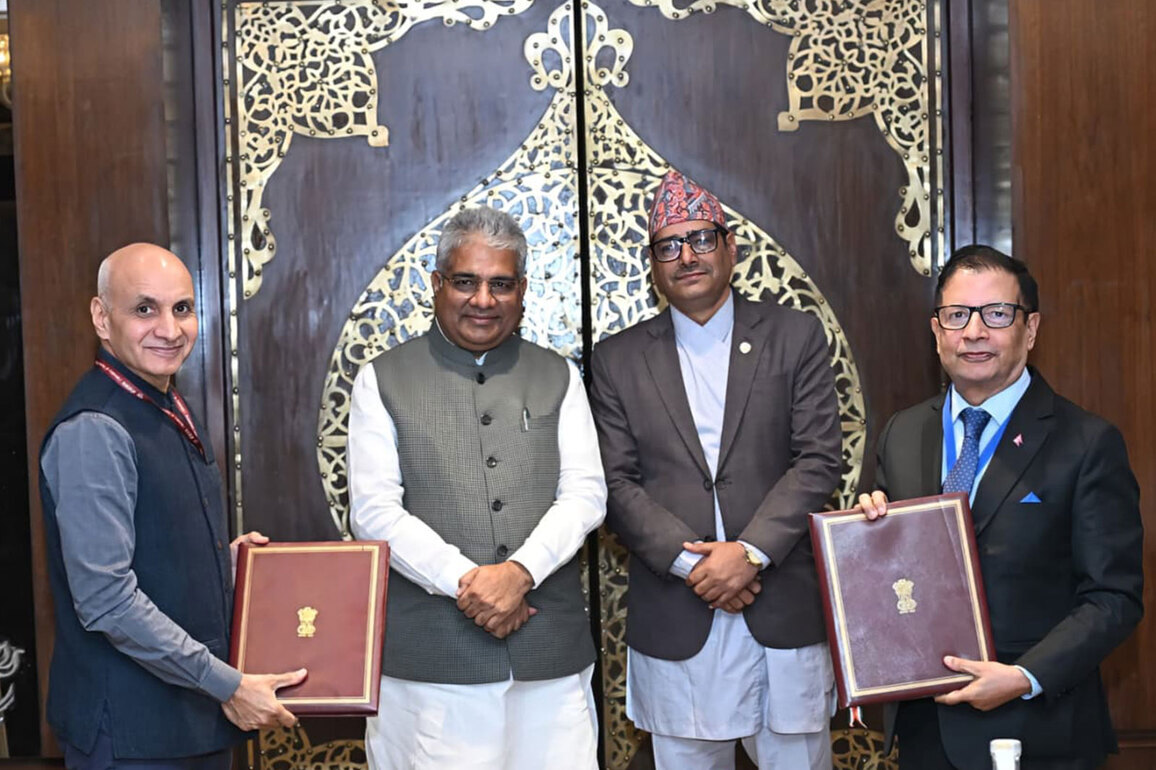
India and Nepal signed a Memorandum of Understanding (MoU) on 25 February 2026 to strengthen bilateral cooperation in forests, wildlife, the environment, biodiversity conservation, and climate change. The agreement was signed between the Union Ministry of Environment, Forest and Climate Change, Government of India, and the Ministry of Forests and Environment, Government of Nepal.
The signing ceremony took place in New Delhi in the presence of Bhupender Yadav, Union Minister of Environment, Forest and Climate Change, Government of India, and Madhav Prasad Chaulagain, Cabinet Minister for Forests and Environment, Government of Nepal. The MoU was signed on behalf of Nepal by Nepal’s Ambassador to India, Dr Shankar Prasad Sharma, and on behalf of India by Tanmay Kumar, Secretary of the Ministry of Environment, Forest and Climate Change.
Background
India and Nepal are endowed with rich biodiversity and natural heritage and have established extensive networks of Protected Areas in their respective territories. Both countries are also parties to several multilateral environmental agreements and conventions. In view of the shared ecosystems and transboundary wildlife habitats, there is a need to further strengthen coordination and cooperation between the two governments in the fields of forests, wildlife, the environment, biodiversity conservation, and climate change.
Key Areas of Cooperation
The MoU covers several areas of practical cooperation between the two countries.
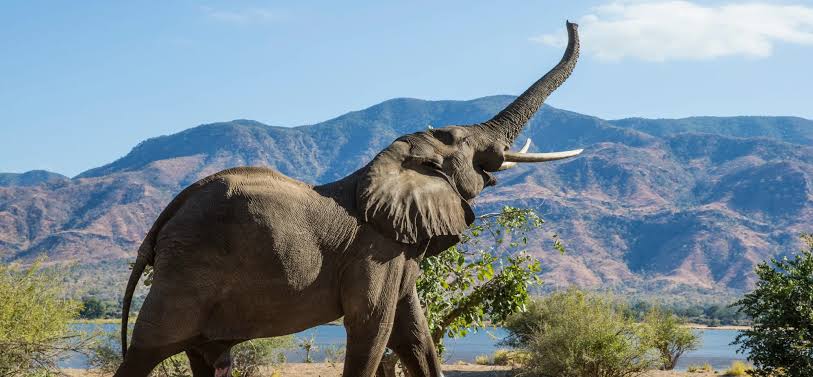
The MoU envisages cooperation in the formulation of biodiversity conservation strategies at the landscape level, with emphasis on key species such as elephants, Gangetic dolphins, rhinoceroses, snow leopards, tigers, and vultures. These species are found across the shared border regions and require coordinated management from both sides.
The agreement provides for strengthened forest and protected area management, restoration of corridors and other interlinking areas towards the creation of transboundary conservation landscapes, and addressing biodiversity conservation threats.
Regarding law enforcement, the MoU includes measures for combating forest and wildlife crime and strengthening the capacity of frontline staff of enforcement agencies. Both countries can also exchange wildlife crime-related information with the South Asia Wildlife Law Enforcement Network (SAWEN) to control and regulate international wildlife crimes.
The agreement also provides for promoting smart green infrastructure in biodiversity hotspots, alongside the exchange of knowledge, technical expertise, and best practices between both nations.
The MoU will be automatically renewed every five years unless a party provides written notice through diplomatic means, and it will be reviewed every three years.
The MoU is expected to further deepen India-Nepal cooperation in the conservation of wildlife and biodiversity and contribute to the protection of shared ecosystems and the sustainable management of natural resources in the region.