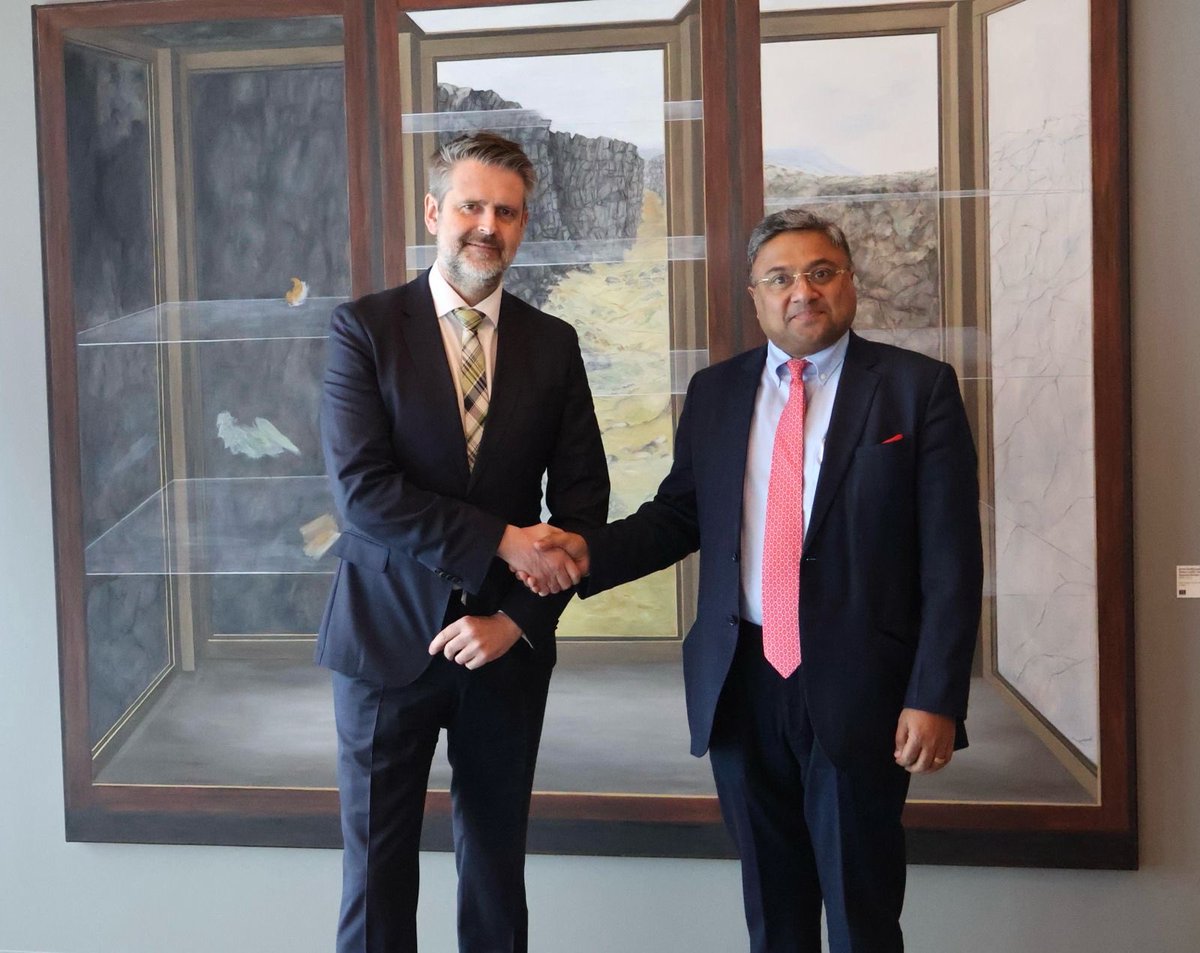
Uzbekistan and Malaysia have taken a major stride in strengthening their long-standing relationship with the introduction of a reciprocal visa-free policy, allowing citizens of both nations to travel for stays of up to 30 days without prior entry permits. The agreement, unveiled this year, marks a significant milestone in bilateral cooperation and is expected to stimulate tourism, cultural exchange, and economic interaction between the two countries. Under the new arrangement, travellers will find it considerably easier to move between Central and Southeast Asia, a shift that officials believe will pave the way for greater people-to-people contact and a deeper appreciation of shared cultural heritage. For Malaysia, the decision provides an added incentive for those seeking to explore the heartlands of Islamic civilisation, while for Uzbekistan it offers an opportunity to reach a wider audience eager to discover its historic cities.
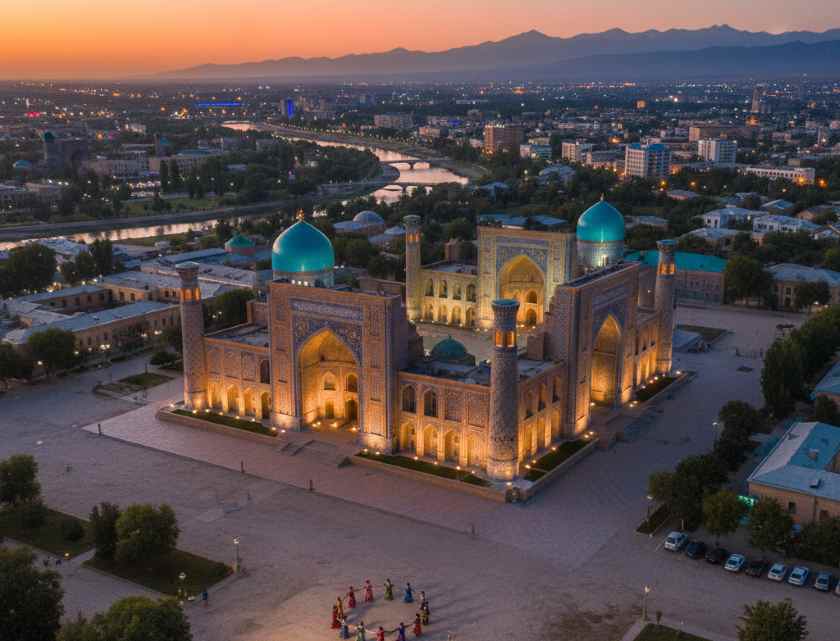
Uzbekistan’s famed destinations—Samarkand, Bukhara, and Khiva—have long attracted travellers with an interest in classical Islamic scholarship, architecture, and the Silk Road’s storied legacy. These cities, recognised for their ancient mosques, madrassas, and distinctive artistic traditions, have grown increasingly popular with Muslim visitors from Malaysia, Indonesia, and Brunei Darussalam. Tourism authorities in Tashkent note that Malaysian visitor numbers have risen steadily in recent years, driven in part by an expanding appetite for religious and cultural tourism. To support this trend, Uzbekistan’s Tourism Committee has intensified its collaboration with Malaysia’s Islamic Tourism Centre. The partnership focuses on enhancing Muslim-friendly travel standards—improving prayer facilities, ensuring halal food availability, and refining tour experiences tailored to the needs of Muslim travellers. Officials on both sides see this as an essential component of a long-term strategy to position Uzbekistan as one of the region’s leading destinations for cultural and religious exploration.
Improved air connectivity has also played a decisive role in the surge of interest. Direct flights now operate between Kuala Lumpur and Tashkent seven times a week, offered by Uzbekistan Airways, Batik Air, and AirAsia. These routes have significantly cut travel times and opened up new possibilities for both business and leisure travellers. A weekly direct service between Tashkent and Langkawi, scheduled to begin on 14 December, is expected to further broaden travel options and encourage holidaymakers seeking new destinations. In addition to enhancing flight links, Uzbekistan has been working closely with Malaysian travel agencies to promote key tourism initiatives. Among the most notable is the “Umrah Plus” programme, which allows Malaysian pilgrims to visit Uzbekistan’s revered Islamic landmarks before continuing to Saudi Arabia for Umrah. The scheme, well-received by tour operators, combines spiritual travel with historical immersion and has become an increasingly attractive option for faith-based groups.
The year 2025 has seen a series of high-level cultural and tourism exchanges between the two nations, underscoring the growing momentum of their partnership. At the MATTA Fair in Kuala Lumpur, one of Malaysia’s largest travel exhibitions, Uzbekistan’s delegation unveiled a range of tourism offerings aimed at Malaysian travellers. The event also featured a cultural showcase from the Andijan Region, whose performers captivated the audience with traditional Uzbek music and dance. These appearances not only highlighted the richness of Uzbek culture but also helped build stronger cultural connections with the Malaysian public.
Uzbekistan continues to prioritise investment in its tourism infrastructure, improving services, upgrading facilities, and diversifying its offerings to match international expectations. With a blend of historical sites, natural landscapes, and cultural traditions, the country is positioning itself as a prominent travel hub for the wider region. Malaysia, for its part, has embraced the opportunity to send more visitors to Central Asia, particularly those seeking educational and religious journeys. As both countries look ahead, officials express confidence that the visa-free policy will serve as a catalyst for further cooperation—not just in tourism, but also in business, culture, and people-to-people engagement. The agreement marks the beginning of a new chapter in Uzbekistan-Malaysia relations, one rooted in mutual respect, shared heritage, and a commitment to deeper collaboration.
With a growing number of direct flights, new travel initiatives, and an expanding interest in Islamic history, the future of tourism between the two nations appears promising. The partnership is poised to bring lasting benefits, strengthening ties and fostering richer exchanges between their peoples.