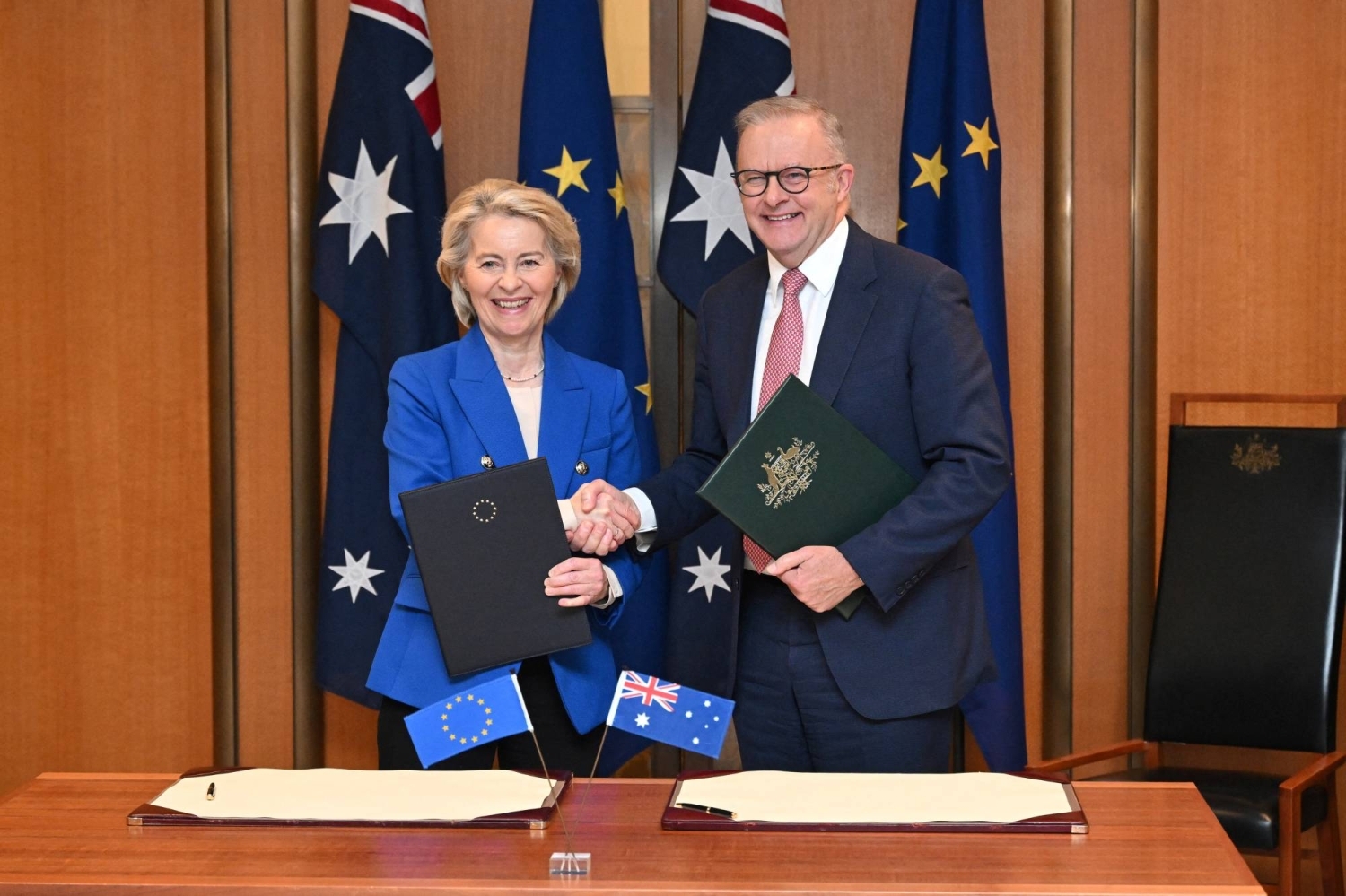
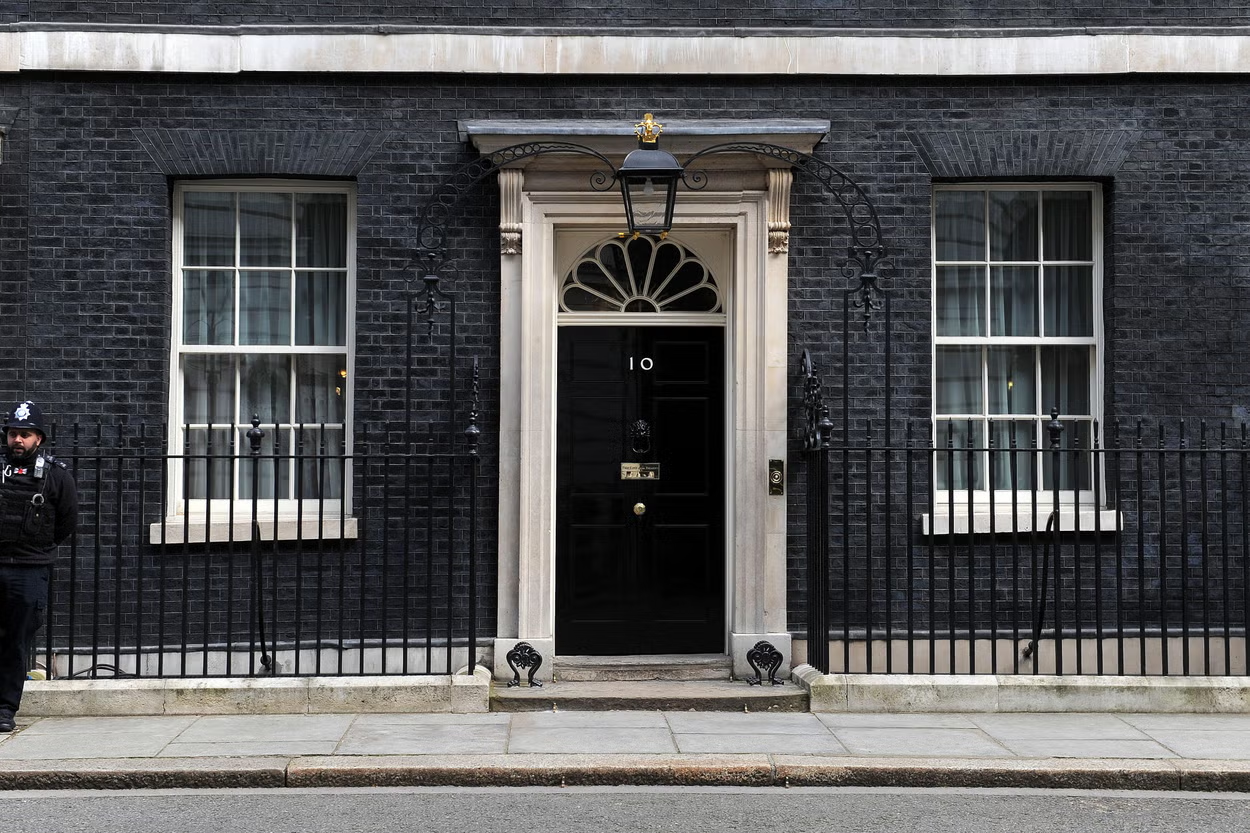
The United Kingdom and Belgium have set out a wide-ranging programme to deepen bilateral cooperation, reaffirming their close relationship as neighbours, partners and Allies at a time of heightened geopolitical and economic uncertainty. Building on the EU-UK Trade and Cooperation Agreement and the Renewed Agenda for European Union–United Kingdom Cooperation agreed on 19 May 2025, the two countries have agreed to intensify dialogue and practical collaboration across security, migration, growth, research and energy. Both sides underlined their respect for institutional differences, while encouraging exchanges between national and sub-state authorities within their respective competences.
Security and defence
As committed NATO Allies, London and Brussels reaffirmed their determination to invest in collective defence and strengthen European security. Both governments pledged to maintain steadfast support for Ukraine “for as long as it takes”, including through work with partners in the Coalition of the Willing. Existing cooperation, such as joint military exercises and exchange programmes, will continue, alongside regular consultations on international security challenges and emerging disruptive threats. Particular emphasis will be placed on countering malign activity in the North Sea, building on the NorthSeal Platform and enhancing the protection of strategic infrastructure. This will involve closer coordination through mechanisms such as JEF+ and through bilateral, regional and multilateral defence-industrial partnerships. The two countries also committed to closer cooperation on hybrid threats, including cyber and electronic warfare, using both bilateral and multilateral frameworks.
Protecting citizens and tackling organised crime
The UK and Belgium agreed to step up joint efforts to combat terrorism, violent extremism and serious organised crime, including human trafficking, drug trafficking and illicit finance. Cooperation will build on the Law Enforcement Cooperation Agreement, which both sides aim to sign in 2026.
Law enforcement agencies will continue to work closely through Europol, Interpol and Prüm arrangements, while exploring further opportunities to enhance data sharing. Greater coordination between law enforcement, security and customs services is intended to disrupt international criminal organisations and reinforce the security of major logistics hubs, particularly ports. As fellow members of the International Maritime Organization Council, the UK and Belgium will also work together on shared priorities including maritime safety, security and decarbonisation. Both countries reaffirmed their commitment to strong judicial cooperation to support the effective investigation and prosecution of serious and organised crime.
Addressing irregular migration
Migration featured prominently in the discussions, with both governments agreeing to strengthen efforts to prevent irregular migration through closer collaboration on innovative solutions. This will include cooperation on returns and readmissions, information exchange, the use of effective security technology and operational enhancements, notably at the port of Zeebrugge. The UK and Belgium will increase operational and strategic dialogue on migration at bilateral, regional and multilateral levels, working closely with EU member states and countries of origin and transit to address root causes. Law enforcement cooperation will be enhanced to dismantle the criminal networks facilitating irregular migration, including those supplying small boats and equipment. Both countries reaffirmed their commitment to the European Convention on Human Rights, while stressing the need for legal frameworks that can respond effectively to contemporary challenges and deter abuse of migration systems.
Growth, trade and innovation
Economic cooperation will focus on facilitating bilateral trade and reducing frictions within the framework of the TCA and the Renewed Agenda. The two sides highlighted the importance of a competitive and innovative industrial base, with opportunities for collaboration in defence, life sciences, biopharma, energy, technology and agrifood. Temporary mobility for business and research was recognised as a key enabler of growth, with a shared ambition to reduce barriers. With ports acting as global gateways, the UK and Belgium will explore deeper cooperation, including in emerging areas such as autonomous shipping.
Dialogue on economic security will be expanded to cover issues such as foreign direct investment screening in strategic sectors, supply chain diversification and the protection of critical infrastructure. Cooperation on fiscal and tax matters, including information exchange, will continue, alongside closer coordination between customs services to simplify procedures and better support businesses, particularly small and medium-sized enterprises.
Research, health and energy security
The partnership will also extend to research, innovation and health security, with closer links across science and technology sectors such as pharmaceuticals, AI, semiconductors and engineering biology. Universities and research institutions will be supported to foster excellence, openness and academic freedom, including through programmes such as Horizon Europe and bilateral initiatives.
In health, the two countries will work together to strengthen the resilience of medical supply chains, address critical medicines shortages and enhance pandemic preparedness, while supporting the leadership role of the World Health Organization. Energy cooperation will be updated through a revised memorandum of understanding, with continued focus on the smooth operation of existing electricity interconnectors and discussions on the proposed Nautilus interconnector. Annual exchanges on security of supply and biennial bilateral energy dialogues are planned, alongside cooperation with North Sea partners to support energy security and the transition to net zero.
Both governments will explore collaboration on low-carbon hydrogen, nuclear energy and the development of green shipping corridors, as well as concluding a bilateral arrangement under the London Protocol to enable cross-border transport of CO₂ for permanent geological storage. Taken together, the commitments mark a renewed effort by the UK and Belgium to translate shared values and interests into practical cooperation, reinforcing a partnership that both sides say is essential to security, prosperity and resilience in Europe.