India’s long-standing civilisational and commercial links with the Arab world came into sharp focus as New Delhi hosted the second edition of the India–Arab Foreign Ministers’ Meeting (IAFMM) on January 31, 2026, marking a significant moment in India’s engagement with what it often describes as its “extended neighbourhood”. For centuries, India and the Arab region have been connected through trade, culture and the movement of people, with maritime routes across the Arabian Sea, the Red Sea and the Gulf of Aden forming vital arteries of exchange. In the contemporary era, this historical familiarity has evolved into a strategic partnership shaped by shared economic interests, energy security concerns and converging views on regional stability.
The League of Arab States (LAS), which began in 1945 with just seven members, has expanded into a bloc of 22 nations spanning the Gulf, West Asia and North Africa. The organisation plays an increasingly prominent role in regional diplomacy and maintains robust relations with major global powers, including Russia, France and Brazil, alongside missions in more than 20 countries, among them India and the United States. Syria, following political changes under the new leadership of Ahmed al-Sharaa, has recently been reinstated as a member, underscoring the League’s evolving political landscape.
Against this backdrop, the resumption of the India–Arab Foreign Ministers’ Meeting after a gap of nearly a decade carries added significance. The first such meeting was held in Manama, Bahrain, in January 2016, when both sides adopted the Manama Declaration and agreed on five priority areas for cooperation: economy, energy, education, media and culture. The New Delhi meeting, co-chaired by India and the United Arab Emirates, brought together foreign ministers from Arab League member states, along with ministers of state, deputy ministers and senior officials. It is the first time India has hosted the IAFMM in its capital, reflecting New Delhi’s desire to place India–Arab relations firmly at the centre of its foreign policy outreach.
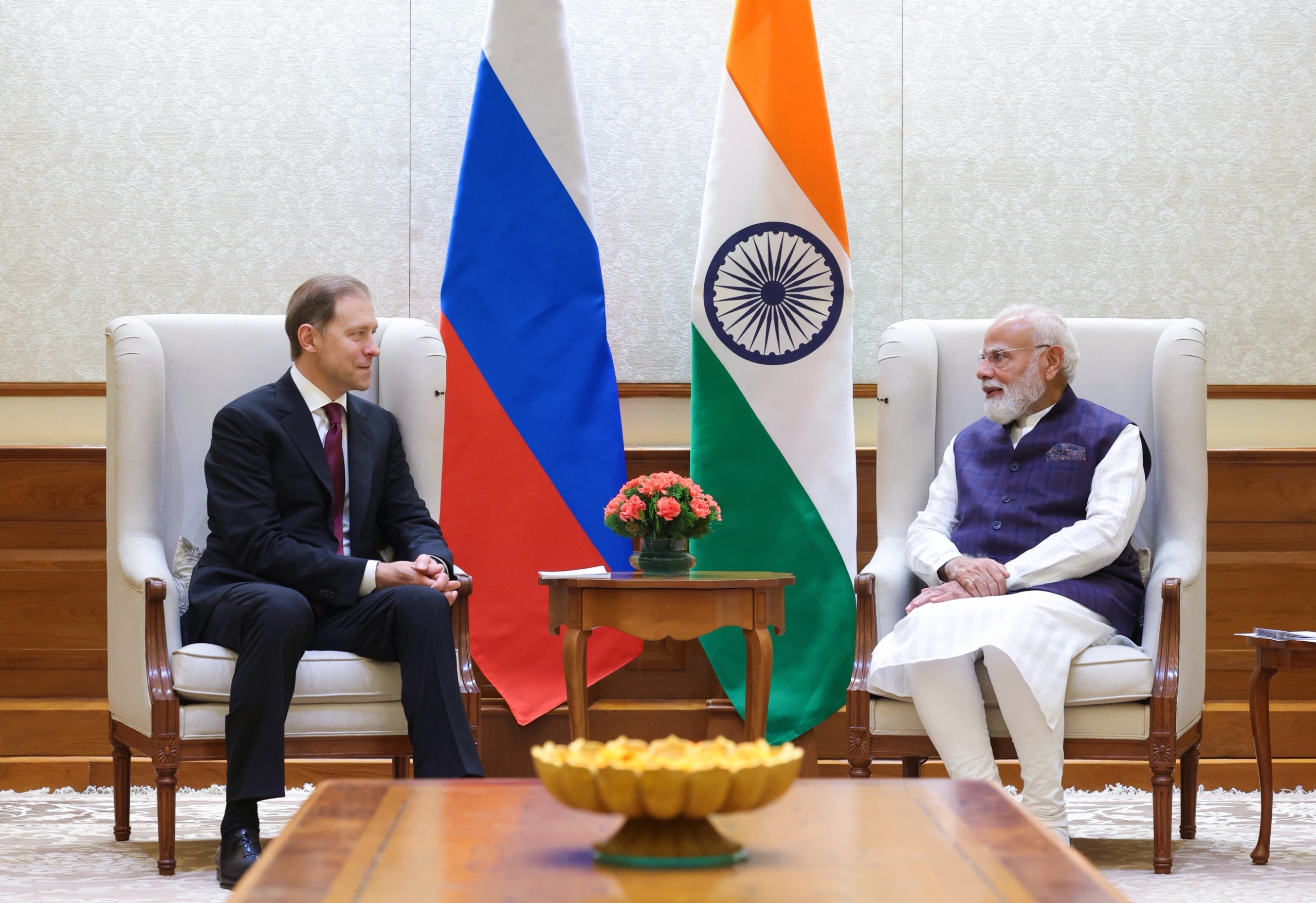
On the sidelines of the summit, Prime Minister Narendra Modi met Sayyid Badr bin Hamad al Busaidi, Oman’s Foreign Minister. Sayyid Badr conveyed the greetings of His Majesty Sultan Haitham bin Tarik, along with his best wishes for India’s continued growth and prosperity. Prime Minister Modi, in turn, asked that his greetings and appreciation be conveyed to the Sultan, and expressed his own best wishes for Oman and its people.
Sayyid Badr also held talks with External Affairs Minister S Jaishankar, during which the two sides reviewed the breadth of bilateral cooperation and explored ways to expand ties in key sectors such as trade and investment, energy, transport and logistics. The discussions also touched on regional and international developments, with both ministers emphasising the importance of dialogue, diplomacy and continued coordination to reduce tensions and promote security, stability and sustainable development.
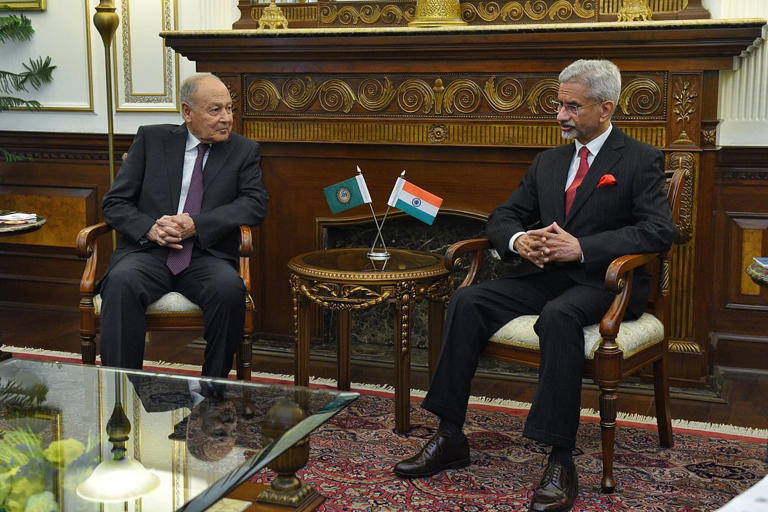
Ahead of the ministerial meeting, EAM Jaishankar had met LAS Secretary General Ahmed Aboul Gheit in New Delhi, describing the interaction as “warm” and wide-ranging. The talks focused on strengthening India–Arab cooperation across political, economic and strategic domains at a time of heightened regional and global uncertainty. “Had a wide-ranging conversation about our cooperation and strengthening it across various domains. Also exchanged views on the recent developments in the region,” Jaishankar said in a post on X.
Aboul Gheit arrived in the Indian capital on Thursday for the summit and related engagements, a visit that the Ministry of External Affairs said reflected a shared commitment to deepening the India–Arab partnership. “High-level engagements over the next two days reflect the shared commitment for a stronger India–Arab partnership,” MEA spokesperson Randhir Jaiswal noted.
As India seeks to balance its relationships across West Asia while safeguarding its economic and energy interests, the revival of the IAFMM underscores New Delhi’s intent to engage the Arab world through structured, high-level dialogue. For both sides, the New Delhi meeting is not merely a diplomatic formality but a reaffirmation of a relationship rooted in history and increasingly shaped by shared strategic priorities.