External Affairs Minister (EAM) Dr. S. Jaishankar travelled to France on 26 March 2026 for the G7 Foreign Ministers’ Meeting with Partner Countries, held at the Abbaye des Vaux-de-Cernay. The two-day visit was made at the invitation of France’s Minister for Europe and Foreign Affairs, Jean-Noël Barrot.
France currently holds the G7 presidency, and India was invited as a partner country alongside South Korea, Saudi Arabia, Brazil, and Ukraine. India’s contributions to the G7’s work, particularly regarding major macroeconomic imbalances and international partnerships and solidarity, were highlighted.
G7 Foreign Ministerial Meeting
The two-day meeting covered a broad range of global issues. The agenda included reconstruction efforts in Ukraine, maritime security concerns, and reforms in global governance. A dedicated session focused on reconstruction, with discussions on nuclear safety, humanitarian demining, and funding mechanisms for rebuilding efforts. Ministers also addressed regional issues. A G7 task force was established to create a network of ports across the G7 and partner countries to strengthen the fight against drug trafficking.
EAM Dr. Jaishankar at G7 FMM
At a session on global governance reforms with invited partners, EAM Dr. S. Jaishankar emphasised the pressing need to reform the United Nations Security Council (UNSC). He also advocated for more efficient peacekeeping mechanisms and stronger humanitarian supply chains.
He drew attention to the concerns of the Global South, particularly regarding energy security, fertiliser access, and food security in the context of ongoing global uncertainties.
In a separate session, Dr. Jaishankar highlighted the importance of building resilient and diversified trade corridors, noting the disruptions caused by conflicts in West Asia. He referred to initiatives such as the India-Middle East-Europe Economic Corridor as vital for strengthening global connectivity, adding that current geopolitical uncertainties underscore the necessity of robust supply chains.
He further observed that India’s free trade agreements with the European Union, EFTA countries, and the United Kingdom have increased the strategic significance of IMEC. According to him, the initiative has garnered widespread international support and positive momentum.
Bilateral Meetings
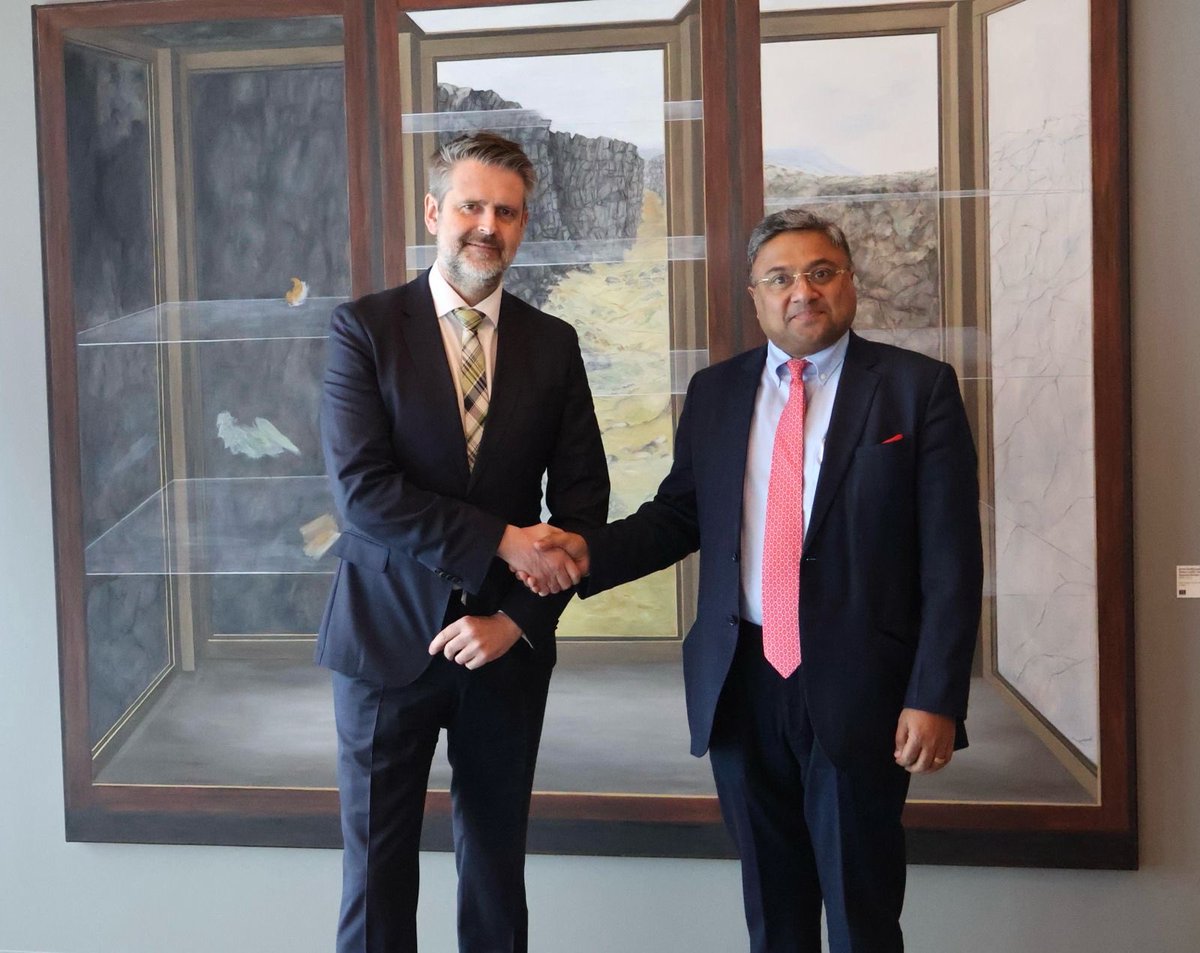
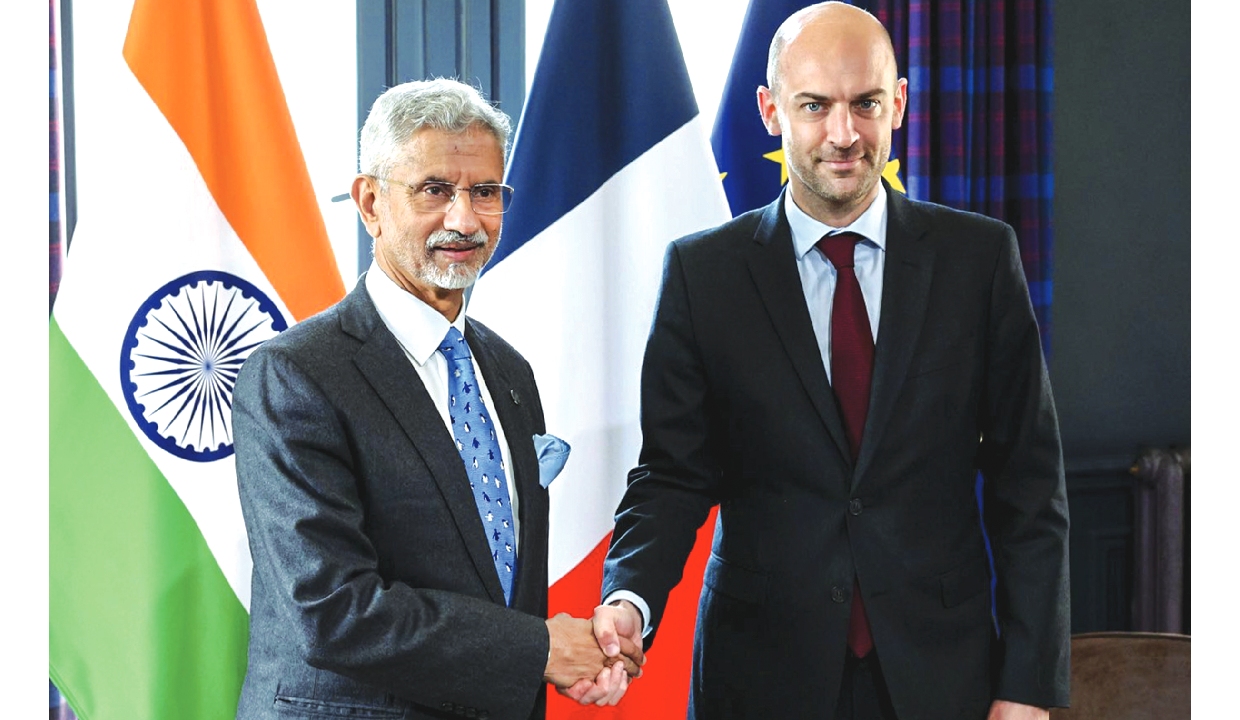
On the sidelines of the event, EAM Dr. S. Jaishankar held a series of meetings with his counterparts from several countries.
In his discussion with French Foreign Minister Barrot, the two engaged in an in-depth exchange on the evolving situation in the Middle East. They agreed to maintain close coordination to jointly ensure the safety and security of the Strait of Hormuz.
During his meeting with Canadian Foreign Affairs Minister Anita Anand, Jaishankar noted, X: “Continued my conversation with FM Anita Anand to advance our bilateral agenda. Also discussed developments in West Asia.” Minister Anand stated that the two sides followed up on the partnership advanced by their Prime Ministers during a visit to India earlier this year. Their discussions also covered cooperation in trade, critical minerals, agriculture, and education.
Dr. Jaishankar also met South Korea’s Foreign Minister Cho Hyun and Japan’s Foreign Minister Toshimitsu Motegi. In his meeting with Brazil’s Foreign Minister Mauro Vieira, the two exchanged views on the global economic situation.
In addition, Dr. Jaishankar held talks with the United Kingdom’s Foreign Secretary Yvette Cooper, where both bilateral and global issues were discussed. He also met German Foreign Minister Johann Wadephul and held a bilateral meeting with Ukraine’s Foreign Minister Andrii Sybiha.
Looking Ahead
The Foreign Ministers’ Meeting served as a preparatory step ahead of the G7 Leaders’ Summit at Evian, scheduled for 13 to 15 June. Prime Minister Modi has confirmed his participation in the Evian Summit.