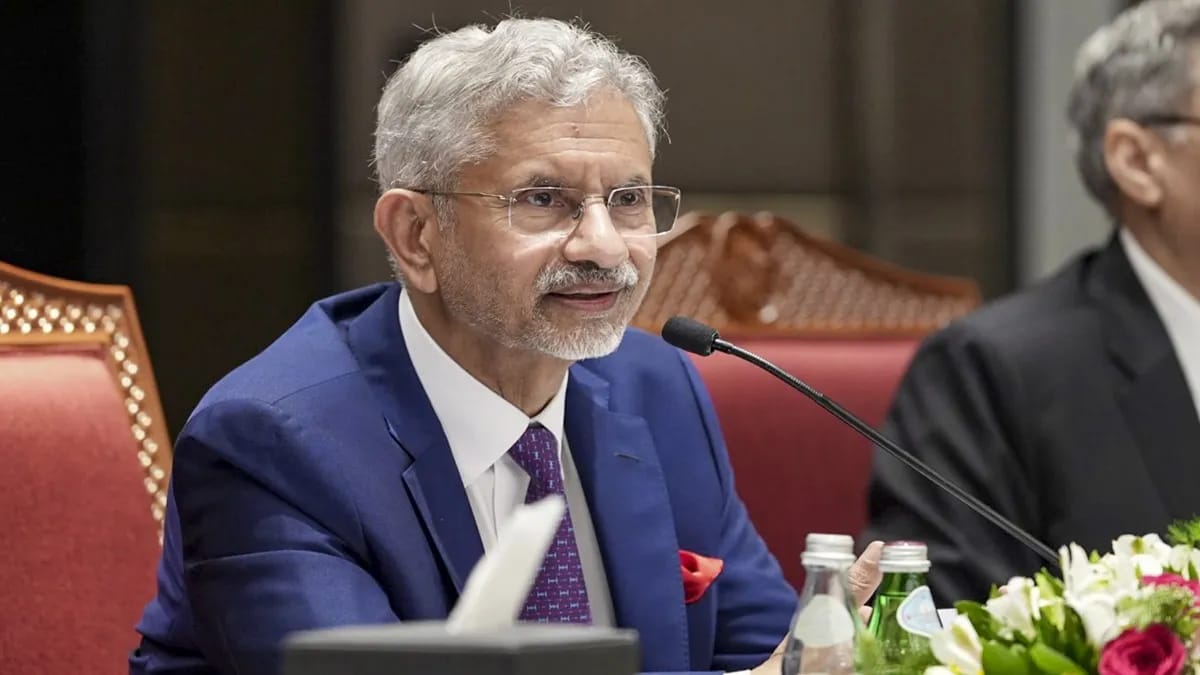
On 13 July 2026, India formally launched its campaign for election as a non-permanent member of the United Nations Security Council (UNSC) for the 2028-2029 term, reaffirming its commitment to multilateralism, international peace and security, and the reform of global governance institutions. The campaign was launched by India’s External Affairs Minister Dr. S. Jaishankar at the United Nations (UN) headquarters in New York, where he outlined India’s vision for its potential tenure as a non-permanent member of the Council under the framework of “Securing Holistic Advancement through Norms, Trust and Integrity” (SHANTI). If successful, this would mark India’s ninth term on the Council; elections are due to be held in June 2027, with India contesting the sole Asia-Pacific Group seat against Tajikistan.
The core themes of India’s campaign are sustainability, accountability, dialogue and diplomacy, peace and security against conventional and unconventional threats, democratic and representative multilateral deliberation, holistic and human-centric development. Dr S. Jaishankar mention that these principles are intended to guide India’s approach to addressing contemporary security challenges while strengthening international cooperation and fostering consensus among member states.
Dr S. Jaishankar made the case for India’s election to the Council by setting out India’s priorities, contributions and track record. Priorities include amplifying the voice of the Global South heard, making UN peacekeeping future-ready, dismantling terrorism and its supporting infrastructure, and advancing climate action, climate justice, clean energy transitions, resilient supply chains, and sustainable growth. He also addressed strengthening maritime security, calling for adherence to UNCLOS and protecting the sea lanes to safeguard freedom of navigation. On technology, he emphasized its responsible use while guarding against misuse and put forward India’s human-centric approach to AI under the acronym MANAV (Moral and ethical systems, Accountable governance, National sovereignty, Accessible and inclusive, and Valid and legitimate systems). Referring to India’s extensive engagement with the UN, he highlighted the country’s contribution of nearly 300,000 peacekeepers to around 50 UN peacekeeping missions and noted the role of women peacekeepers. He also pointed to India’s development partnerships, capacity building initiatives and humanitarian assistance to countries across the Global South.
He voiced India’s support for UN reform stating that multilateral institutions should reflect contemporary realities and stressed the importance of wider consultation to harmonise differing interests and strengthen international decision-making.
Invoking the concept of Vasudhaiva Kutumbhkam (the world is one family), he underlined humanity’s shared, transcending challenges, citing India’s disaster responses. He further cited instances of India’s contributions to global well-being, including humanitarian assistance and disaster relief to various countries. He also mentioned India’s leading role in pharmaceutical supplies in aid and export including an emerging status in vaccine distribution.
Concluding his address, Dr S Jaishankar sought the support of member states for India’s candidature stating his belief that India’s presence on the Security Council would strengthen the body’s decision-making.